



Vintage Bijar Rug
A vintage bijar rug is a heavily woven Persian textile built to endure generations of daily footfall.
Vintage Bijar Rug
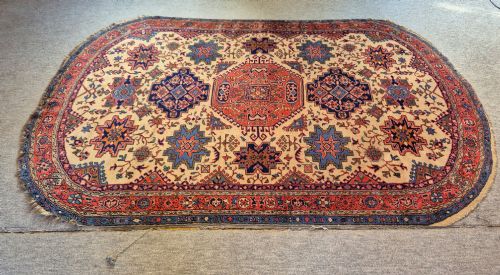
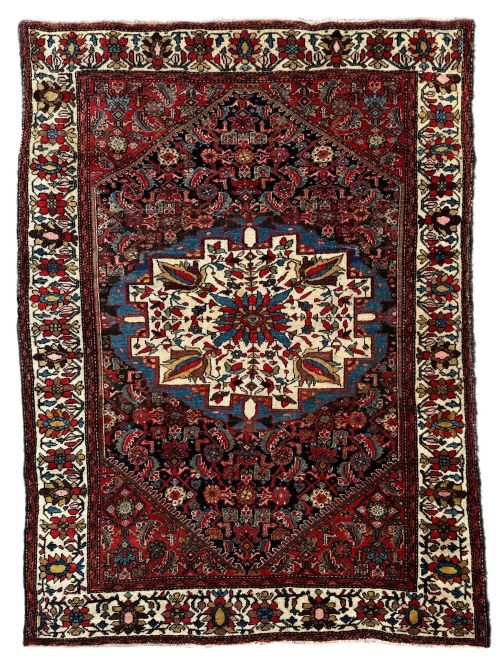
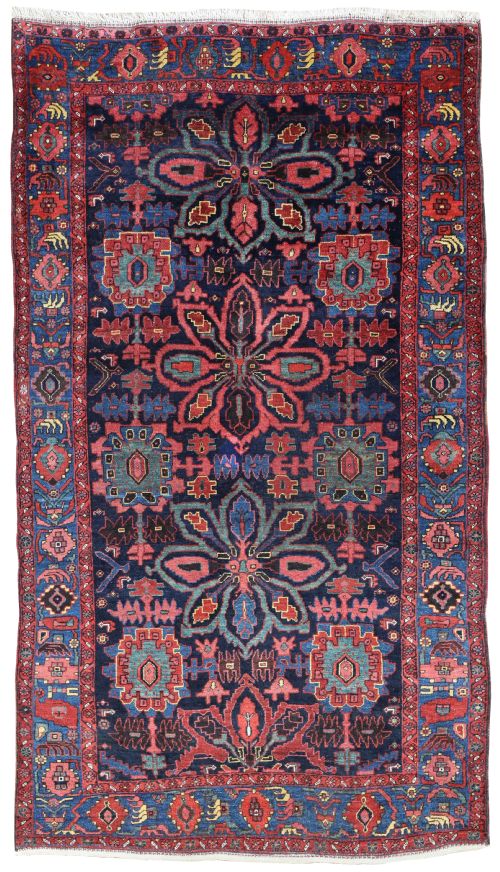
A vintage bijar rug is a heavy, durable textile originating from West Persia and produced by Kurdish weavers. These pieces span from the late nineteenth century into the twentieth century, appearing in various formats from small mats to room-sized carpets and runners.
Buyers searching for a vintage bijar rug most frequently encounter traditional Persian village and tribal formats. These range from standard area rugs and long kelleh carpets to flat-woven kilims.
The aesthetic of a vintage bijar rug draws directly upon Kurdish design traditions and Persian craftsmanship. Pieces vary from compact scatter formats to large carpets exceeding five metres in length.
What Varies in Quality
Quality in these carpets rests upon the tightness of the weave and the structural integrity of the foundation. A denser knot count and heavier wool pile distinguish the sturdier examples from lighter, more flexible weaves.
The handling of colour and wool quality further differentiates individual pieces. Finer examples display a careful balance of hand-spun materials and distinctive ground shades, such as lemon, alongside traditional Persian motifs.
Vintage Bijar Rug Retail Price Guide 2026
Typical asking prices for vintage bijar rug among the pieces listed under this phrase on Sellingantiques today, from the lower quarter to the upper quarter. They describe what is for sale here now, not the wider market.
Materials recorded in available items consist entirely of wool, cotton, and hand-spun wool.
The Vintage Bijar Rug Glossary
- Kilim
- A flat-woven carpet or rug produced without a pile. These pieces rely on interlocking weft threads to create geometric patterns.
- Kelleh
- A long rectangular rug format traditionally used in Persian interiors. These proportions provide a narrow runner or medium-sized carpet shape.
- Kurdish
- Pertaining to the ethnic group of weavers from the Bijar region of West Persia. Their tribal traditions influence the robust construction of these textiles.
- Pile
- The upright yarn loops that form the surface of a carpet. In these pieces, hand-spun wool creates a dense and durable nap.
Vintage Bijar Rug: Frequently Asked Questions
What is a vintage bijar rug?
A vintage bijar rug is a heavy Persian textile woven by Kurdish communities in West Persia during the nineteenth and twentieth centuries.
These pieces are recognised for their dense construction, utilising wool and cotton materials to create durable floor coverings.
Where were these rugs made?
These textiles were produced in the town of Bijar and surrounding Kurdish villages in West Persia. The local weaving traditions shaped their robust structure.
Production centres on regional tribal designs distinct from city-made Persian carpets.
How do I use a kilim runner?
A kilim runner provides a flat-woven surface suitable for hallways and narrow spaces where heavy pile might obstruct doors. Their slender proportions suit high-traffic corridors.
Because they lack a pile, they lie flat and handle movement well.
How do I date these carpets?
Dating relies on stylistic markers, structural wear, and material analysis pointing to periods like the nineteenth century or early twentieth century. Variations in wool spinning and palette offer further clues.
Most examples originate from the 1880s through to the 1930s.