

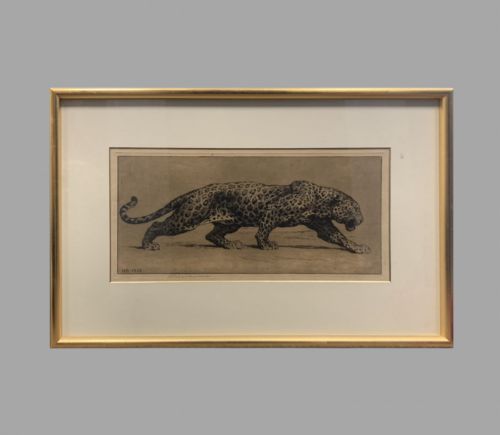


Vintage Big Cat Art
These vintage big cat art pieces capture the predatory power of leopards, panthers, lions, and tigers through sculpture and print.
Vintage Big Cat Art
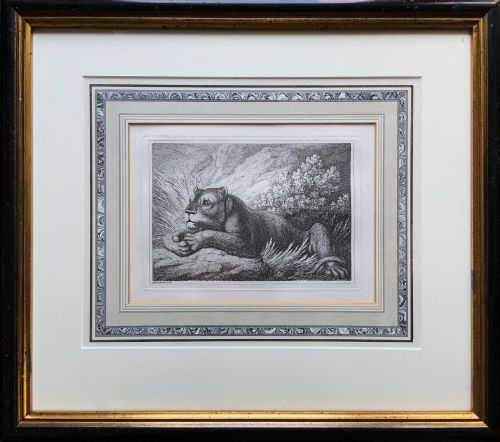
Vintage big cat art encompasses sculptural figures, framed prints, oil paintings, and etchings depicting powerful feline predators. These works capture the fierce elegance of leopards, panthers, lions, and tigers across a range of historical periods.
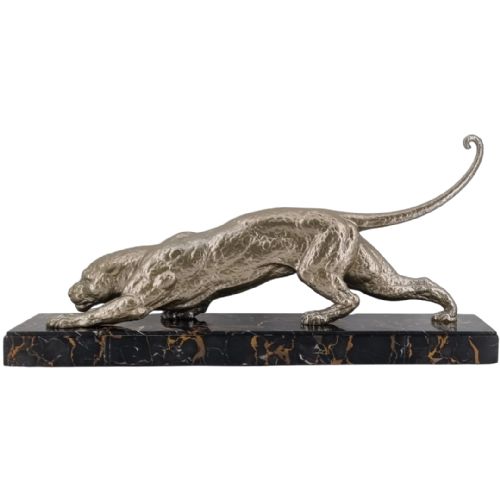
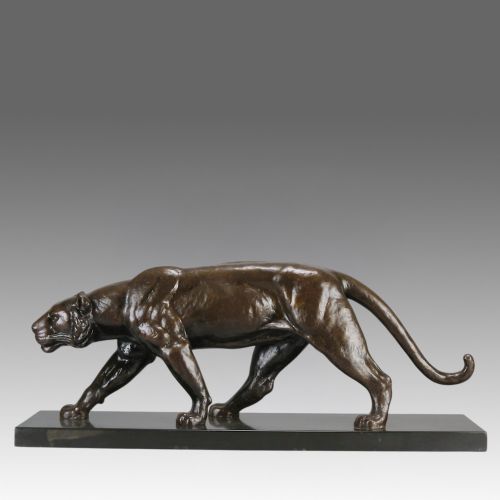
The selection on this page leans heavily into the Art Deco aesthetic of the 1920s and 1930s, alongside 19th-century animalier traditions and early 20th-century printmaking. Sculptural forms frequently feature prowling or crouching panthers mounted on marble bases.
The physical mediums vary widely, incorporating cast metals, carved woods, and detailed works on paper. Buyers encounter everything from substantial patinated bronze and spelter figures to delicate signed artist proof etchings.
Materials and techniques
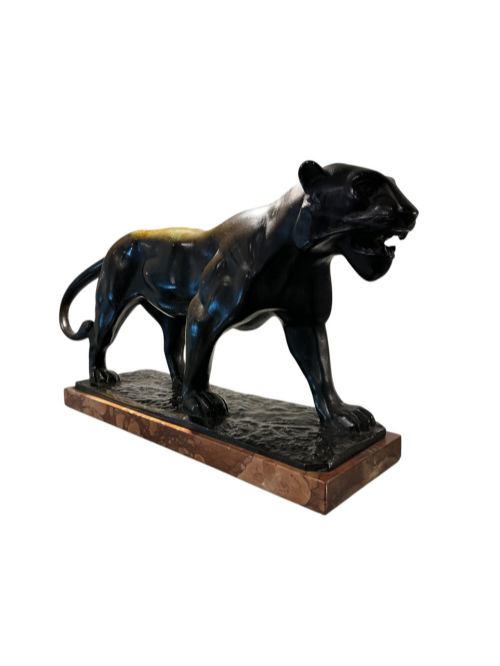
Metal sculptures are created using traditional casting techniques to render the muscular forms of panthers and leopards in bronze, hot cast bronze, or spelter. These figures often receive patinated finishes and are mounted onto contrasting marble or alabaster bases.
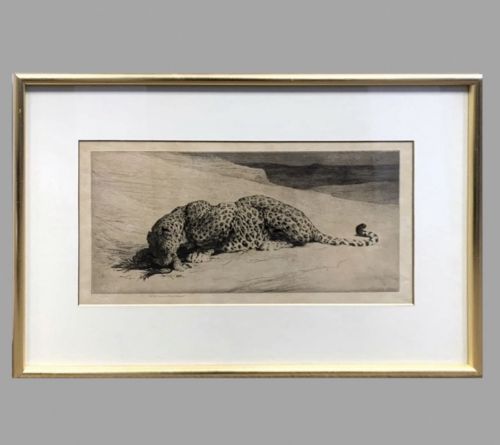
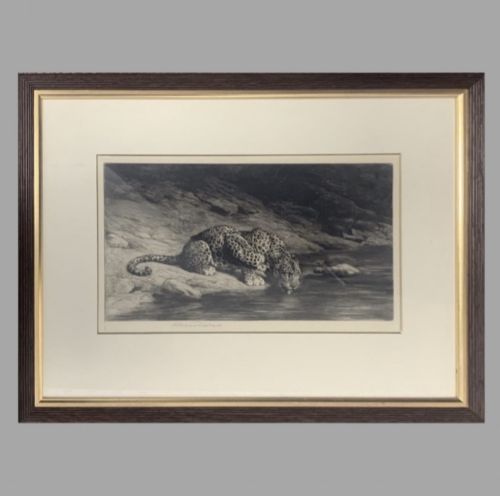
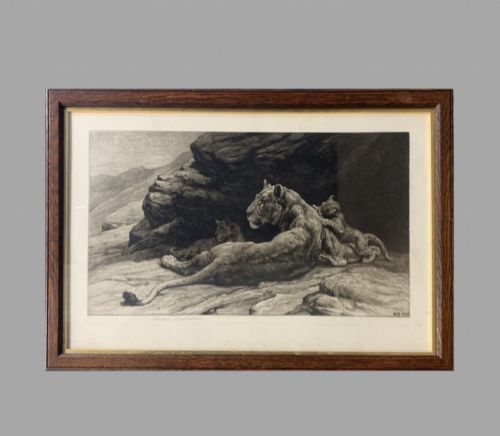
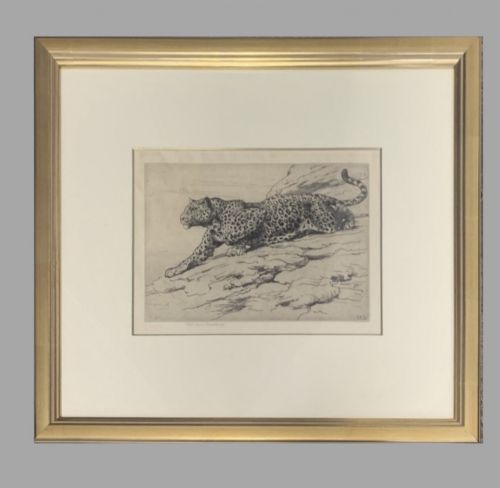
Wooden sculptures rely on hand-carving techniques to shape materials like wood and gilt wood into crouching lions and panthers. Printmakers utilise etching techniques on paper and vellum, producing limited edition artist proofs with fine ink details.
Vintage Big Cat Art Retail Price Guide 2026
Typical asking prices for vintage big cat art among the pieces listed under this phrase on Sellingantiques today, from the lower quarter to the upper quarter. They describe what is for sale here now, not the wider market.
Listings feature works spanning the 19th century through the 1940s, executed in bronze, spelter, marble, and ink on paper.
Evaluating quality and execution
Quality in sculptural pieces rests on the anatomical accuracy and expressive tension captured in the feline form, particularly in the rendering of muscle and posture. The choice of base material, such as high-grade marble supporting a bronze panther, elevates the physical presence of the object.
In printed works, quality is determined by the crispness of the ink impression and the presence of artist signatures or limited edition proof markings. Pieces that retain their original patination and bear the signature of a recognised sculptor or etcher demonstrate superior craftsmanship.
Herbert Dicksee·Alexandre Ouline·Eugene Emile Borga·Michel Decoux·Cuthbert Edmund Swan
The Vintage Big Cat Art Glossary
- Animalier
- Art that faithfully depicts animals, particularly sculptures created during the nineteenth and twentieth centuries. This tradition focuses heavily on the dynamic movement and anatomy of wildlife.
- Spelter
- A zinc alloy frequently used as a cost-effective alternative to bronze in decorative figures. Sculptors often apply patination to give this metal the appearance of aged bronze.
- Etching
- A printmaking process where acid bites into a metal plate to hold ink for transfer onto paper or vellum. Artists pull limited edition impressions from these plates.
- Artist Proof
- A trial proof of a print taken before the final edition is produced, typically retained by the artist. These signed proofs hold particular significance for collectors.
- Patinated
- Treated with chemicals or heat to produce a coloured surface finish on metal sculptures. This process enhances surface detail and protects the material.
Vintage Big Cat Art: Frequently Asked Questions
What periods do these big cat pieces come from?
The works span from the nineteenth century through the early twentieth century, with a strong concentration of Art Deco pieces from the 1920s and 1930s.
Collectors also encounter Edwardian and Victorian examples, alongside occasional works extending past the mid-century mark.
How should I display a heavy bronze or marble sculpture?
These sculptures require sturdy furniture capable of supporting the weight of dense metal and stone bases, such as heavy wooden sideboards or display consoles.
Ensure the piece sits on a level surface away from direct foot traffic where the extended parts of the sculpture might get bumped.
Are the etchings original period prints?
The works on paper include signed artist proofs and limited editions created around the turn of the twentieth century and into the 1920s.
Protecting these prints from direct sunlight prevents the paper and ink from fading over time.
What is the difference between bronze and spelter figures?
Bronze is a durable alloy of copper and tin that accepts patination well and holds fine sculptural detail over generations. Spelter is a softer, zinc-based white metal that was widely utilised for decorative Art Deco figures mounted on marble bases.