

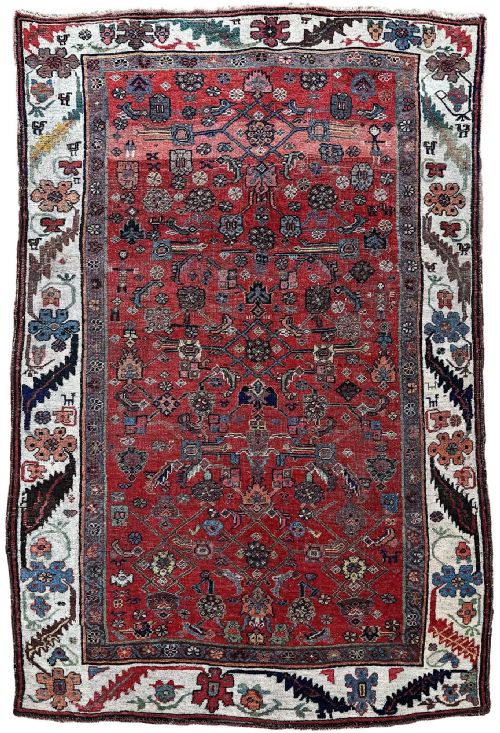
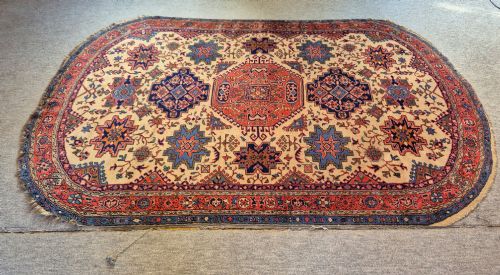
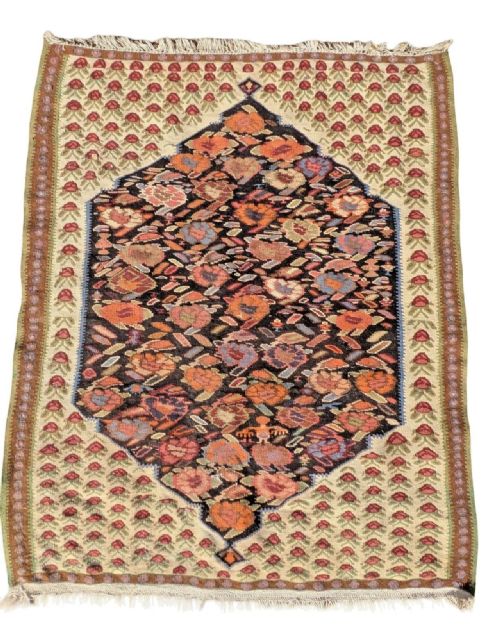
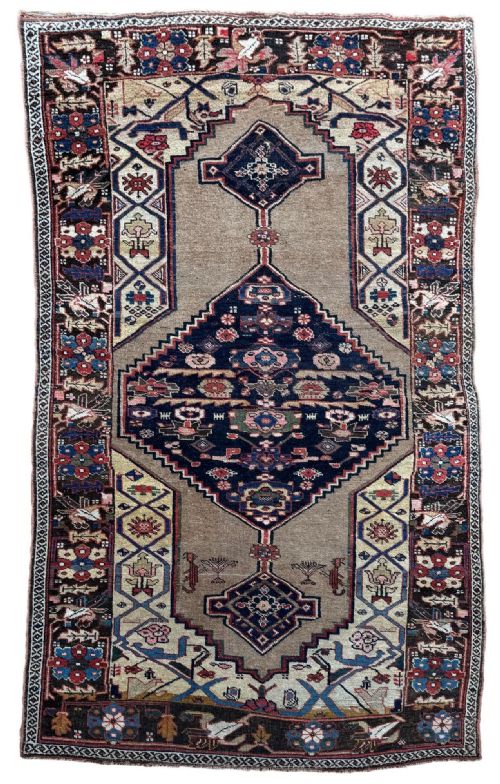




Vintage Bidjar Carpet
A vintage bidjar carpet brings robust Kurdish craftsmanship and dense wool pile into a room, offering enduring floor coverings woven for heavy use.
Vintage Bidjar Carpet
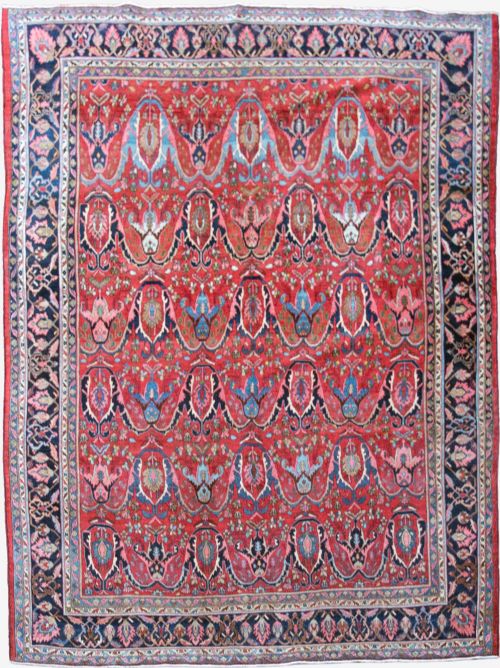
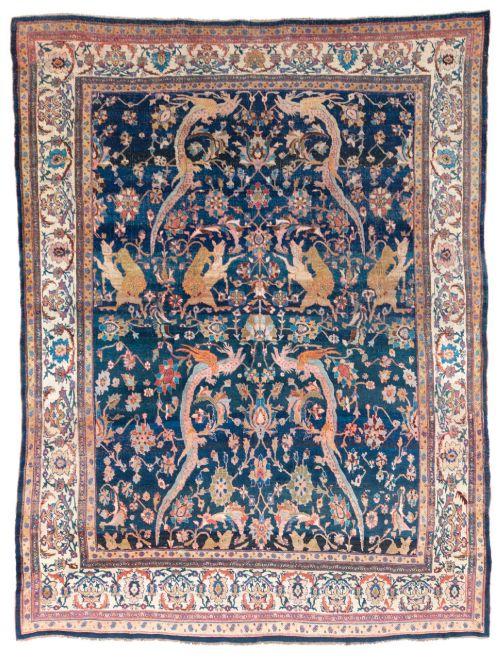
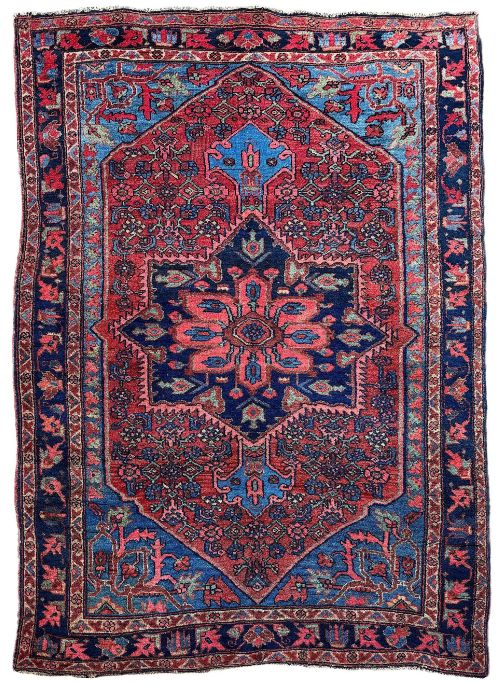
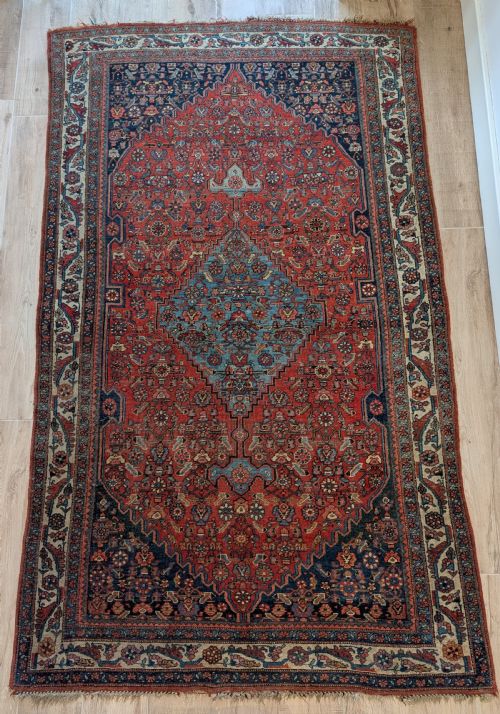
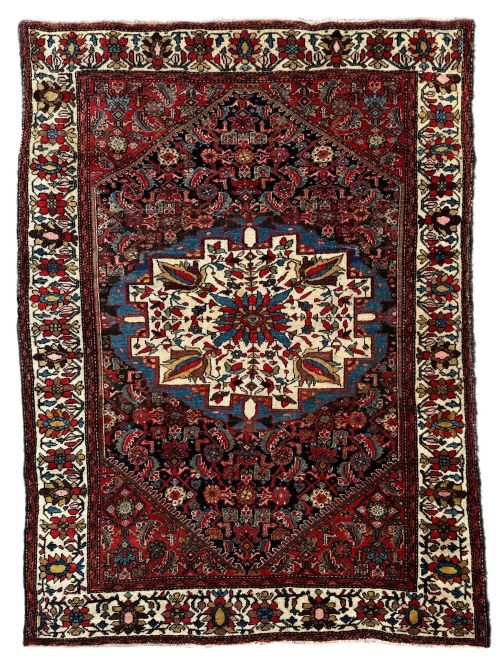
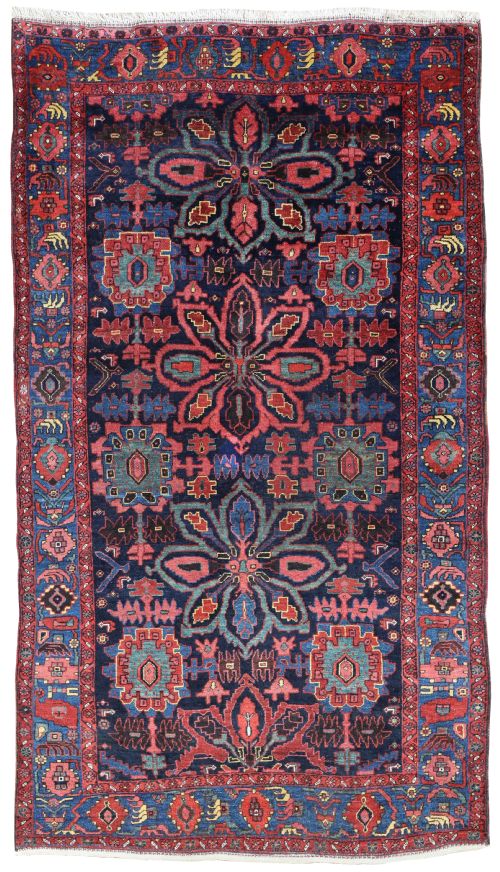
When searching for a vintage bidjar carpet, buyers encounter heavy room-size carpets, smaller kelims, runners and bag faces originating from the Kurdish town of Bijar and its surrounding region in Persia. These floor coverings date from the late nineteenth century through the early twentieth century, spanning decades of traditional tribal and village weaving.
The most common examples met on this page are antique rugs and carpets produced around eighteen-eighty to nineteen-hundred, featuring classic Persian tribal designs and sturdy wool construction. Pieces range from intimate area rugs to grand carpets exceeding five metres in length.
Materials and construction
Weavers constructed these pieces using dense wool piles set onto sturdy cotton foundations, creating a heavy fabric known for its resilience. The tight knotting technique and compacted foundation give the weave its characteristic rigidity.
Natural materials dominate the production, utilising wool for both the surface pile and decorative elements alongside cotton for the warp and weft threads.
Vintage Bidjar Carpet Retail Price Guide 2026
Typical asking prices for vintage bidjar carpet among the pieces listed under this phrase on Sellingantiques today, from the lower quarter to the upper quarter. They describe what is for sale here now, not the wider market.
Listings feature wool and cotton materials across periods spanning from eighteen-seventy through nineteen-thirty.
Assessing quality and character
Quality in these textiles rests upon the density of the wool pile and the precision of the tribal motifs executed by the weaver. Finer examples display meticulous execution of traditional Persian patterns across the field and border.
The choice of ground colour, such as unusual lemon tones, and the scale of the format also influence the distinction of individual pieces within the range.
The Vintage Bidjar Carpet Glossary
- Kelleh
- A long rectangular rug format traditionally narrower than a full room-size carpet but broader than a standard runner. These formats suit hallways and elongated spaces.
- Kilim
- A flat-woven carpet or rug produced without a pile by tightly interweaving warp and weft strands. This technique creates a lighter textile with a smooth surface.
- Bag face
- The decorative front panel of a nomadic storage bag, repurposed as a small decorative mat. These pieces display concentrated tribal motifs in compact dimensions.
- Warp
- The stationary vertical threads stretched on the loom that form the structural foundation of the textile. Cotton provides the tensile strength for these foundational elements.
- Weft
- The horizontal threads passed across the warp strands to lock the knots in place. Beating down the weft contributes to the dense structure of the weave.
Vintage Bidjar Carpet: Frequently Asked Questions
How do I clean a vintage bidjar carpet?
Professional specialist cleaning suited to antique wool pile textiles is recommended to maintain the integrity of the cotton foundation and natural wool.
Regular gentle vacuuming without a rotating brush helps remove embedded dust from the dense pile safely.
Where were bidjar carpets made?
These carpets were produced by Kurdish tribes and village weavers in and around the town of Bijar in the Kurdistan region of Persia.
Weavers in these communities utilised local materials and traditional generational techniques to produce remarkably durable floor coverings.
Can these carpets handle heavy foot traffic?
The exceptionally dense wool pile and rigid cotton foundation make these textiles well suited for placement in active areas of the home.
Their historical reputation for longevity stems precisely from this robust construction method designed to withstand daily use.
What styles do these carpets feature?
The designs incorporate traditional Persian tribal and village motifs, including geometric patterns, central medallions, and elaborate floral borders.
Pieces often reflect the distinct artistic heritage of Kurdish weavers working within the Bijar region.