
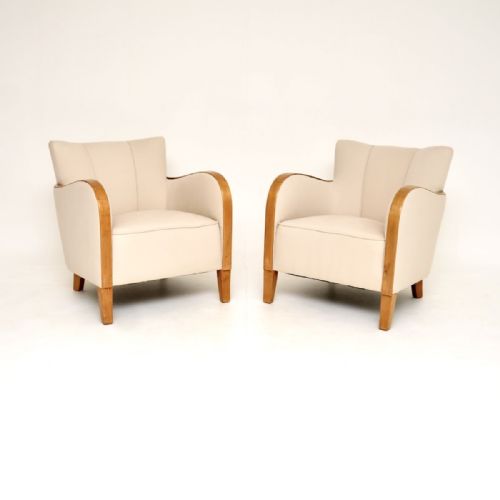

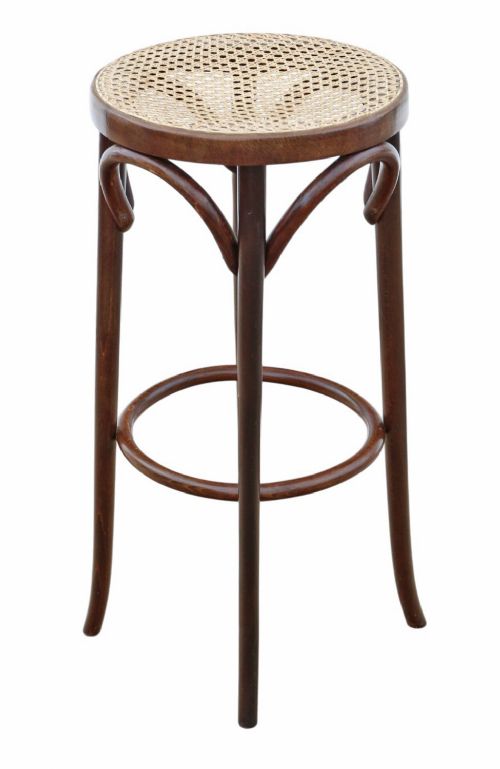


Vintage Bentwood Seating
Vintage bentwood seating offers resilient curves and domestic utility, spanning the nineteenth century through the mid-century modern era.
Vintage Bentwood Seating
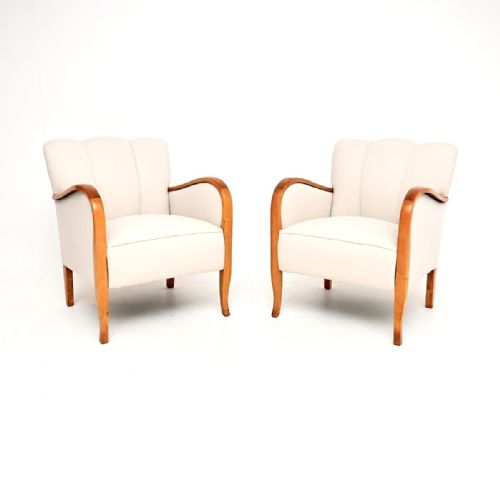
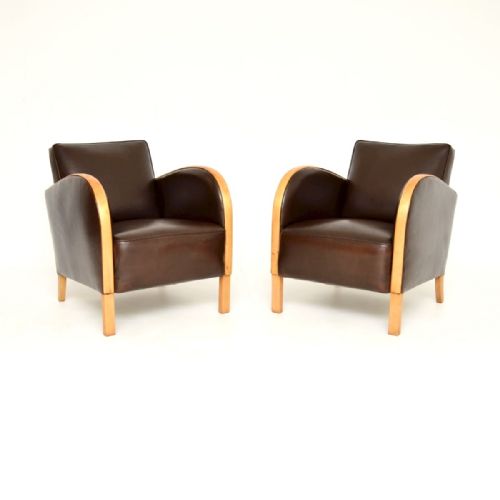
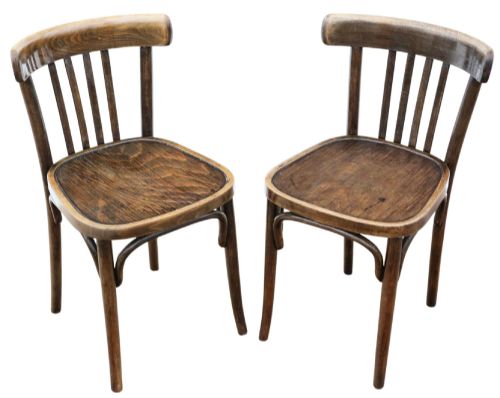
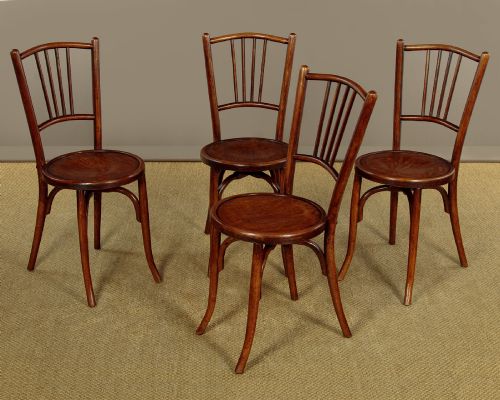
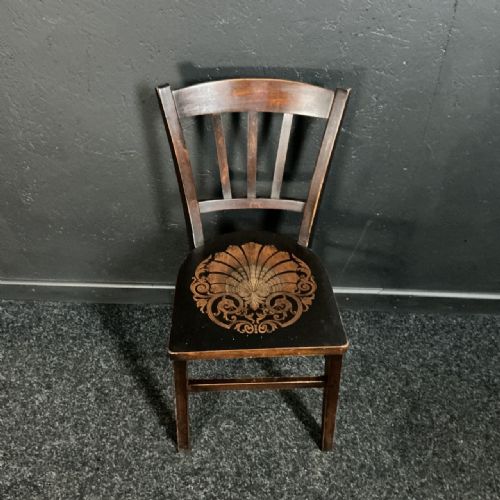
Vintage bentwood seating encompasses dining chairs, armchairs, bar stools, rocking chairs, and settees originating from the nineteenth century up to the mid-century period. Buyers seeking vintage bentwood seating will encounter forms ranging from simple bistro chairs to elaborate salon suites and child-sized rockers.
The selections span distinct historical styles including Victorian, Edwardian, Art Nouveau, Art Deco, and Swedish Art Deco. Many pieces emerge from continental European workshops and major makers such as Thonet, J & J Kohn, and Baumann.
Dining chairs and bar stools serve everyday utility, while rocking chairs and settees provide decorative focal points for living spaces. The inventory reflects a robust tradition of steam-bent furniture design that prioritises functional longevity.
Materials and construction methods
Makers utilised resilient hardwoods such as beech, beechwood, ash, and elm, relying on their fibrous grain to withstand the rigours of steam bending without snapping. Plywood and bentwood components were shaped under heat and moisture into flowing structural frames.
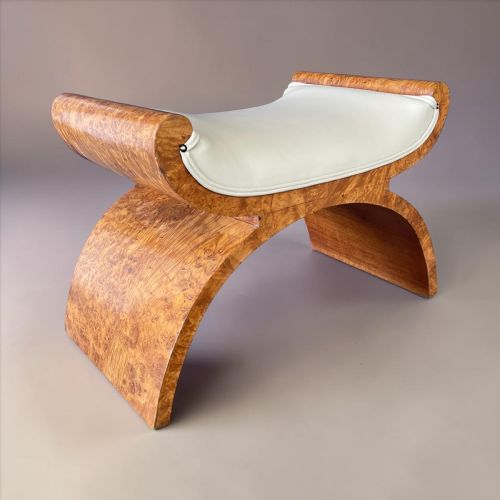
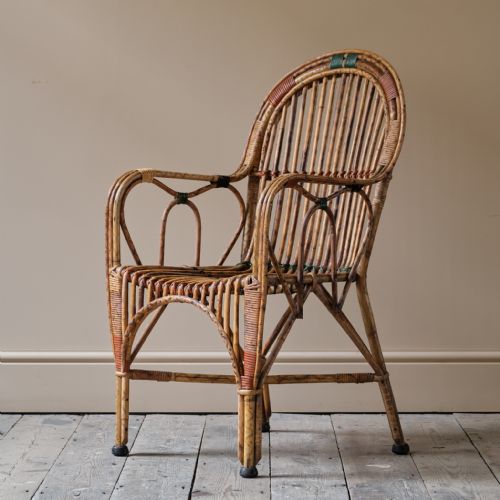
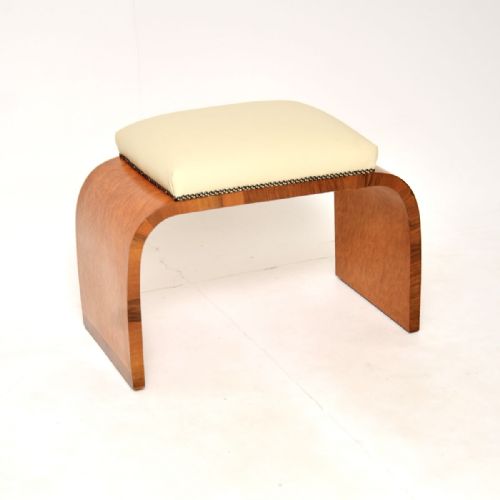
Seating surfaces often incorporate woven cane and rattan, alongside upholstered panels in leather, fabric, and satin birch or birds-eye maple veneers. These varied materials combine to create lightweight yet durable domestic furniture.
Materials documented across the inventory include beech, cane, plywood, bentwood, fabric, beechwood, satin birch, and leather.
Distinctions in quality and execution
The standard of a piece rests upon the precision of the steam bends and the integrity of the original joins. Master workshops achieved tension-free curves that retained their structural strength over decades of daily use.
Material selection further defines the tier of a piece, from standard beech dining chairs to examples finished with figured satin birch or leather upholstery. Maker attribution also influences standing, with documented output from notable firms commanding greater interest.
Thonet·Harry and Lou Epstein·Codina·Heals·Fred Walker Rockley·Baumann·J & J Kohn
The Vintage Bentwood Seating Glossary
- Bentwood
- Furniture formed by steaming wood until pliable and bending it into curved shapes. This technique allows for lightweight, continuous frames without traditional heavy joinery.
- Cane
- Woven material made from the peeled bark of rattan palms, frequently utilised for chair seats and backrests. It provides flexible, breathable support.
- Bistro chair
- A lightweight dining chair designed for commercial hospitality use and domestic kitchens. These forms typically feature circular seats and curved back supports.
- Satin birch
- A pale, lustrous hardwood used frequently as a veneer on Art Deco cabinetwork and seating frames. It offers a distinct golden shimmer.
- Windsor chair
- A traditional wooden chair featuring a solid saddle-sculpted seat into which the legs and back spindles are directly inserted. Examples appear alongside steam-bent forms.
Vintage Bentwood Seating: Frequently Asked Questions
How do I identify a Thonet bentwood chair?
Authentic pieces often carry paper labels, brand stamps, or burnt-in signatures on the underside of the seat frame. The construction relies on seamless steam-bent components rather than heavy glued joints.
Examination of the screw fixings and cane work can also help determine the age and original production period of the chair.
Can I use vintage bentwood chairs for daily dining?
These chairs were engineered for commercial cafe use and heavy domestic dining, making them remarkably sturdy for everyday seating. Checking the stability of the leg stretchers ensures safe daily use.
Their lightweight frames make them easy to move around a modern dining table without marking flooring.
How do I care for cane seats on old chairs?
Cane requires occasional damp wiping with a sponge to maintain moisture and prevent the natural fibres from becoming brittle. Keeping the chairs away from direct heat sources preserves the elasticity of the rattan.
If sagging occurs over decades, professional re-caning restores the original tautness of the seat.
What is the difference between Victorian and Art Deco bentwood?
Victorian bentwood focuses on elaborate floral motifs, intricate scrollwork, and traditional bistro forms with woven cane inserts. Art Deco pieces introduce geometric streamlining, smooth satin birch veneers, and leather upholstery.
The later twentieth-century styles embrace cleaner rustic minimalism and unadorned plywood surfaces.