



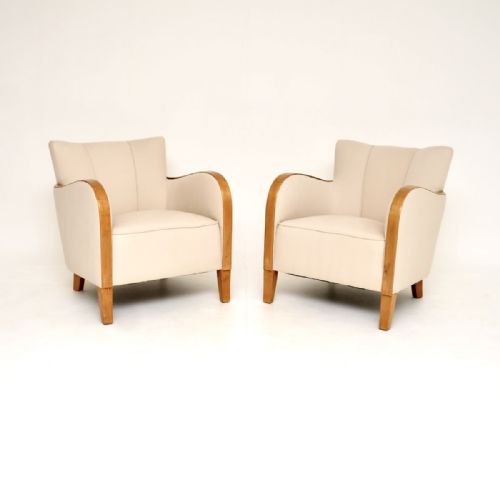


Vintage Bentwood Arm Chair
These vintage bentwood arm chair pieces offer steam-bent organic curves and enduring framework, built for practical daily seating.
Vintage Bentwood Arm Chair
When you search for a vintage bentwood arm chair, you encounter a distinct form of seating defined by heat-treated wooden frames that curve organically into structural supports and armrests.
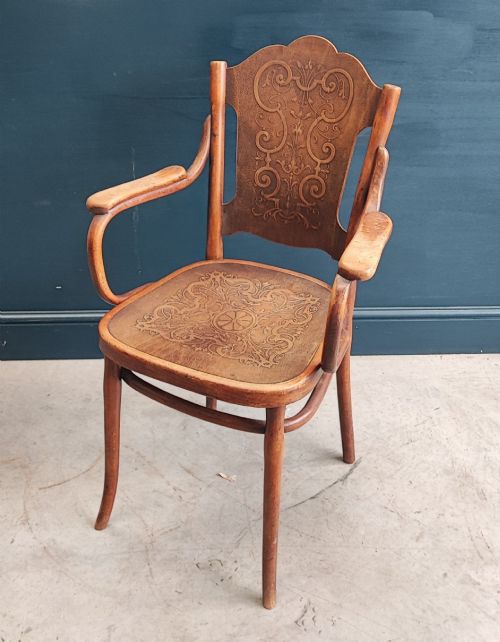
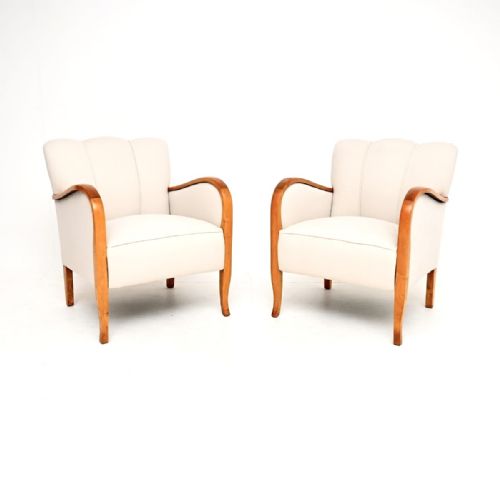
The selections on this page span several decades and stylistic movements, ranging from nineteenth-century Victorian designs to early twentieth-century Edwardian models, Swedish Art Deco pairs, and Vienna Secession pieces.
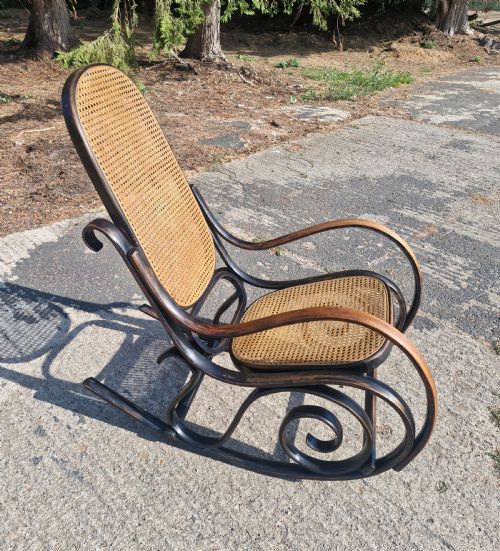
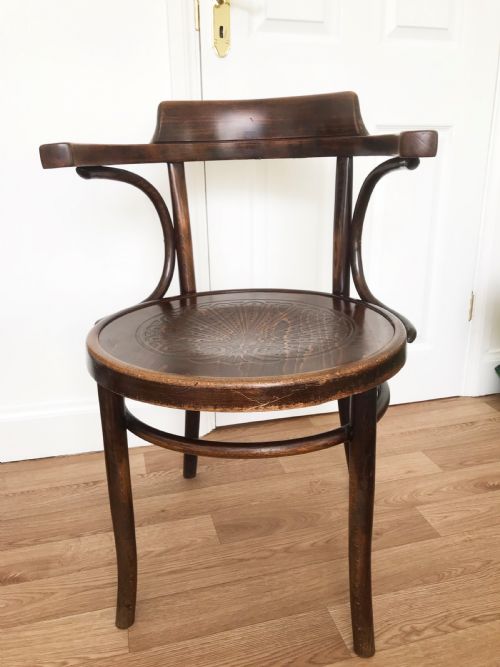
You are most likely to meet beech and beechwood armchairs, alongside rocking chairs, desk chairs, and carvers outfitted with cane, fabric, leather, or plywood inserts.
How they were made
The construction relies fundamentally on steam-bent timber, primarily beech and beechwood, which softens under moisture and heat to accept continuous curved silhouettes without losing structural integrity.
Manufacturers integrated moulded plywood, woven cane, leather, and fabric to form the seats and backrests, complementing the fluid lines of the steam-formed frames with contrasting textures and flat planes.
Vintage Bentwood Arm Chair Retail Price Guide 2026
Typical asking prices for vintage bentwood arm chair among the pieces listed under this phrase on Sellingantiques today, from the lower quarter to the upper quarter. They describe what is for sale here now, not the wider market.
Some desk chairs feature built-in swivel mechanisms, proving that nineteenth-century office workers enjoyed ergonomic spin just as much as we do today.
What varies in quality
Quality rests upon the execution of the steam-bending technique, where tighter, smoother radii and unified continuous members distinguish superior examples from simpler, heavier fabrications.
The choice of secondary materials - such as select satin birch veneers, genuine leather upholstery, or robust woven seating panels - elevates the refinement of individual pieces across different periods.
Thonet·Jacob and Josef Kohn
The Vintage Bentwood Arm Chair Glossary
- Bentwood
- Wood shaped by applying heat and moisture to timber until it becomes pliable enough to bend into curved forms. This technique creates lightweight yet remarkably strong furniture frames.
- Carver
- An armchair featuring arms, traditionally designed to sit at the head of a dining table or function as a desk chair. These examples often incorporate supportive bentwood armrests.
- Vienna Secession
- An artistic movement from around nineteen hundred that rejected historicism in favour of cleaner geometric forms and functional simplicity. Pieces from this circle display restrained, elegant curves.
- Plywood
- Manufactured wood panel made from thin sheets of wood veneer glued together. It provides durable, flat seat surfaces that balance the flexible curved uprights.
Vintage Bentwood Arm Chair: Frequently Asked Questions
What is a vintage bentwood arm chair?
A vintage bentwood arm chair is a seat constructed using steam-bent wooden rods that form the backrest, legs, and arms into continuous, flowing lines.
These chairs date from the nineteenth and early twentieth centuries, produced by notable makers using resilient timbers like beech.
How do I identify a Thonet bentwood chair?
Thonet chairs typically feature stamped manufacturer marks or paper labels underneath the wooden seat base, alongside characteristic screw fittings and precise steam-bent curves.
The craftsmanship reflects pioneering industrial manufacturing methods developed during the nineteenth century.
Where were these armchairs used historically?
These armchairs served in diverse settings, from Parisian cafes and Viennese coffee houses to domestic studies, parlours, and offices.
Their lightweight construction made them exceptionally versatile for everyday relocation and commercial hospitality use.
How do I care for a bentwood arm chair?
Maintain these chairs by keeping them away from direct heat sources and excessive moisture, which can dry out or warp the steam-bent timber.
Apply occasional micro-wax polish to nourish the wood surface and preserve the original finish.