




Vintage Bear Carving
These vintage bear carving pieces bring characterful wildlife sculpture into the home through finely sculpted timber forms.
Vintage Bear Carving
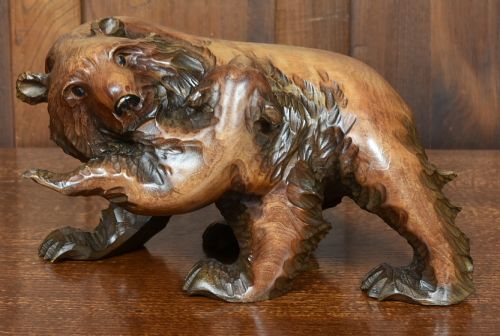
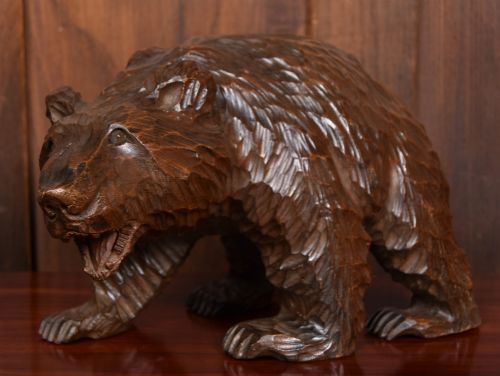
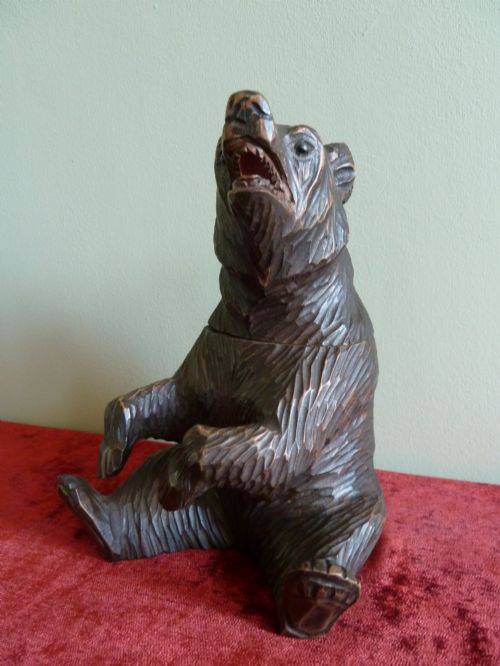
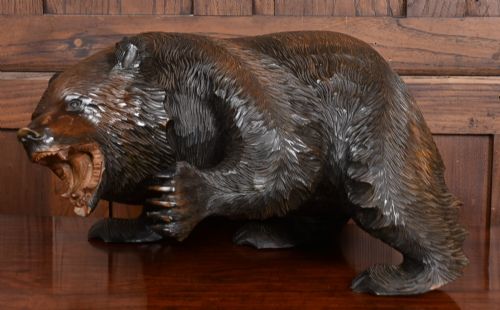
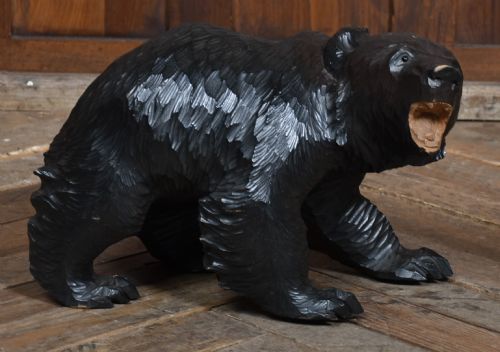
A vintage bear carving encompasses sculptural objects, practical furnishings, and decorative items produced across the nineteenth and early twentieth centuries. The selection on this page relies heavily on European Black Forest workshop output and Japanese folk art traditions such as Kibori Kuma.
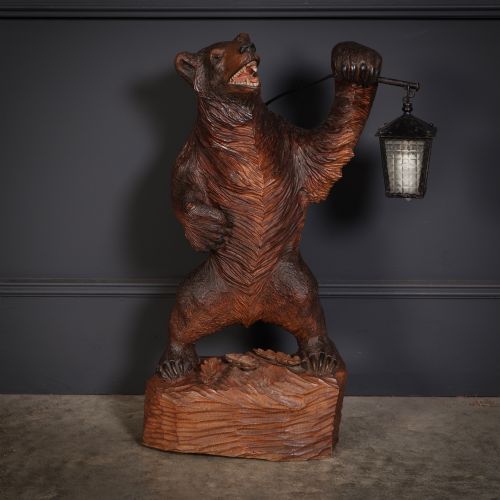
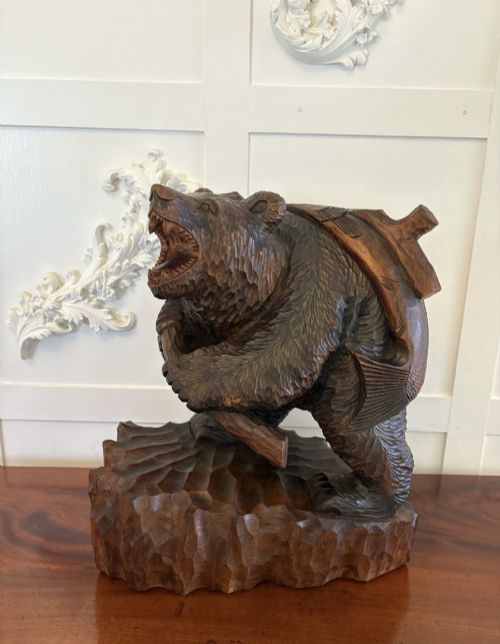
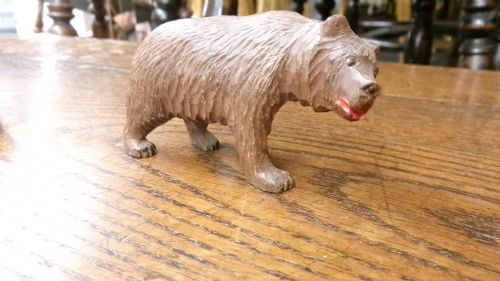
Forms range from miniature animal figurines and bookends to large furniture pieces including stick stands, hall stands, and table lamps. Figures frequently depict bears holding fish, carrying cubs, or performing human tasks like smoking or holding tobacco jars.
Most examples date from the nineteenth century through to the Edwardian period and the 1920s. Buyers will encounter both European brown bears carved in linden wood and Japanese wooden bears fashioned from cedar.
How they were made
Carvers shaped these pieces primarily from linden wood, cedar, and assorted hardwoods using traditional hand chisels and gouges. Artisans finished surfaces with stain, polish, or natural wax to accentuate the grain and texture of the timber.
Details such as eyes were occasionally inlaid using glass or represented by metal studs inserted into the carved wood. Sculptures range from naive folk art interpretations to highly detailed anatomical studies involving multiple carved components.
Vintage Bear Carving Retail Price Guide 2026
Typical asking prices for vintage bear carving among the pieces listed under this phrase on Sellingantiques today, from the lower quarter to the upper quarter. They describe what is for sale here now, not the wider market.
Object forms span functional items like table lamps, hall stands, bookends, and tobacco jars, alongside standalone animal sculptures.
What varies in quality
Quality rests upon the naturalism and depth of the carving work, separating simplified folk art from sophisticated studio production. Master carvers captured musculature, fur texture, and lifelike expressions with notable precision.
Larger architectural forms like hall stands and stick stands demonstrate greater complexity through integrated furniture construction and functional hardware. The integration of functional elements, such as glass eyes or fitted metal tobacco liners, also dictates the distinction between standard items and superior examples.
The Vintage Bear Carving Glossary
- Black Forest
- A nineteenth-century European style of wood carving originating from the border region of Switzerland and Germany. These works typically depict woodland animals, most notably bears, integrated into furniture and decorative objects.
- Kibori Kuma
- A traditional style of Japanese wood-carved bear originating from Hokkaido. These folk art sculptures often portray bears with textured fur carrying fish in their mouths.
- Linden wood
- A pale, fine-grained timber commonly used by carvers for its cooperative working properties. It allows for intricate detail without splitting.
- Humidor
- A specialised container designed to keep tobacco moist, occasionally fashioned in the form of a carved animal. These lidded vessels form part of the tobacco-related items found in Black Forest grouping.
Vintage Bear Carving: Frequently Asked Questions
What wood are these bears carved from?
These sculptures are primarily carved from linden wood and cedar, depending on whether they originate from European workshops or Japanese folk art traditions.
Artisans utilised these specific timbers because they accept fine chisel work and maintain structural stability over decades of display.
How do I date an antique bear carving?
Dating relies on stylistic markers, construction methods, and period materials such as glass or metal stud eyes. Pieces marked by Edwardian aesthetics or specific nineteenth-century regional styles help establish a chronological timeline.
Comparing the complexity of the fur texturing against documented workshop output also assists in determining age.
Where were Black Forest carvings made?
Black Forest carvings were produced predominantly in the mountain regions of Switzerland and Germany during the nineteenth and early twentieth centuries. These pieces catered to the Victorian tourist trade and export markets.
Workshops specialised in domestic items and whimsical animal sculptures that reflected the surrounding alpine wildlife.
How do I care for a wooden bear carving?
Maintain wooden sculptures by keeping them away from direct sunlight and extreme humidity fluctuations to prevent timber splitting. Dust gently with a dry brush and avoid applying liquid polishes that might damage the original surface stain.
Occasional application of microcrystalline wax helps preserve exposed hardwood surfaces.