




Vintage Barware Lemon Squeezer
These vintage barware lemon squeezer pieces bring period elegance and functional craft to the cocktail hour, offering collectors tactile pieces of drinking history.
Vintage Barware Lemon Squeezer
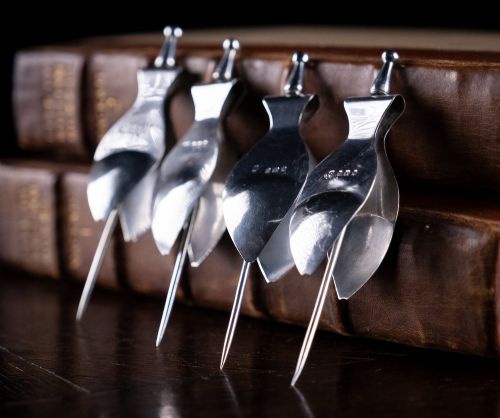
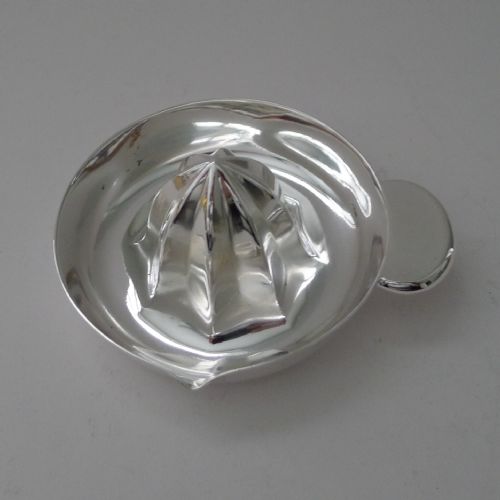
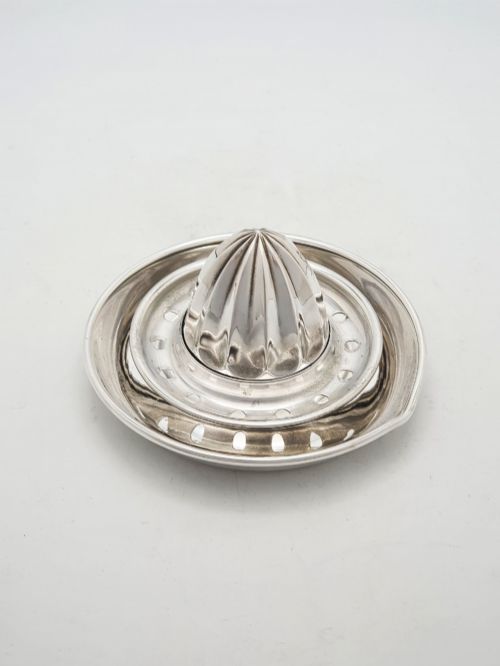
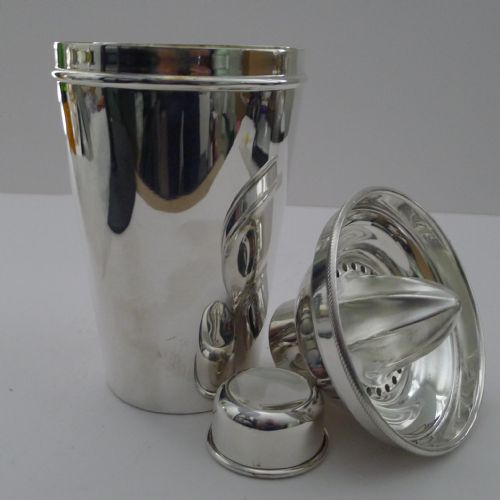
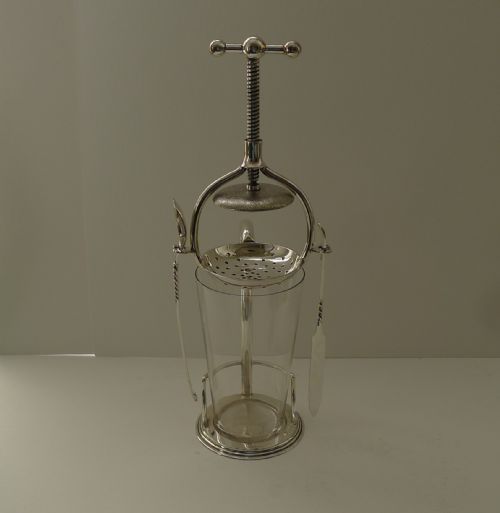
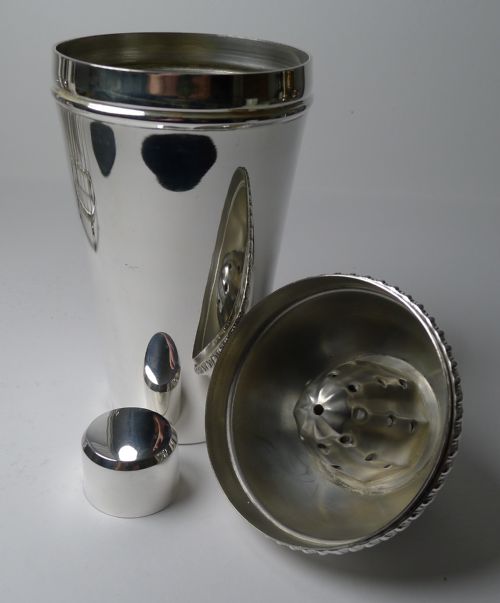
A vintage barware lemon squeezer serves the cocktail tray with citrus juicing capability, appearing here as standalone wedge squeezers, reamers, and units with strainer rings. Buyers searching this phrase encounter items designed for efficient fruit preparation behind the bar.
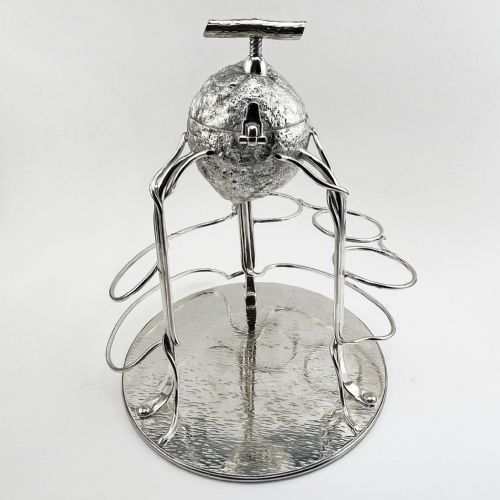
The selections span from the Victorian era through the Edwardian period and the Art Deco style of the 1930 and 1940 decades, alongside Italian Modernism. Forms range from simple table accessories to large cocktail shakers featuring integral lemon squeezers.
Makers represented include firms such as Richard Comyns, Christofle, and Hukin and Heath, with department stores like Harrods also retailing these items. The physical objects combine citrus juicers and barware into durable implements fashioned for regular use.
How they were made
Makers utilised silver plate, electroplated nickel silver, nickel silver, and sterling silver to shape the metal bodies of these bar accessories. These plated and solid silver surfaces provide the lustrous finish characteristic of quality barware.
Glass and cut crystal appear in combination with silver plate to form transparent vessels and juicing components. Artisans united metal frameworks with glass inserts to catch juice while straining out pips.
Vintage Barware Lemon Squeezer Retail Price Guide 2026
Typical asking prices for vintage barware lemon squeezer among the pieces listed under this phrase on Sellingantiques today, from the lower quarter to the upper quarter. They describe what is for sale here now, not the wider market.
Some cocktail shakers came with built-in lemon squeezers so hosts could juice fruit directly into the alcohol without dirtying extra spoons.
What varies in quality
The distinction between standard production items and premier pieces rests in the complexity of the design, such as integral juicers built directly into cocktail shakers or matched sets of wedge squeezers. Finer examples display the precise hallmarks and attribution of notable silversmiths and manufacturers.
Material composition shifts from base metal with thin silver plating up to heavier electroplated nickel silver and solid sterling silver or cut crystal elements. The integration of mechanical parts, like strainer rings and reamers, demonstrates superior construction.
Richard Comyns·Christofle Paris·Hukin and Heath·Harrods
The Vintage Barware Lemon Squeezer Glossary
- Silver Plate
- A thin layer of silver applied to a base metal core such as nickel silver. This technique offered the visual appeal of solid silver at a lower production cost.
- Electroplated Nickel Silver
- A copper, nickel, and zinc alloy coated with an even layer of pure silver through an electrolytic process. It forms a durable foundation for vintage barware.
- Reamer
- A ribbed conical projection designed to press into halved citrus fruit and extract juice efficiently. It sits centrally within the squeezer bowl or atop a juicing vessel.
- Cut Crystal
- High-clarity glass shaped by deep mechanical or hand cutting to produce geometric facets. It scatters light and provides a heavier, more tactile vessel than standard glass.
Vintage Barware Lemon Squeezer: Frequently Asked Questions
How do I use a lemon squeezer with a strainer ring?
The strainer ring catches pips and pulp while allowing the extracted citrus juice to flow directly into your glass or shaker. You position it over the vessel rim while operating the squeezer.
This keeps the cocktail mixture clean and ready for mixing spirits and other ingredients.
What materials were used for these lemon squeezers?
Manufacturers used silver plate, electroplated nickel silver, nickel silver, and sterling silver for the metallic components. Glass and cut crystal were also utilised for bowls and shakers.
These materials provided durability against citric acid while maintaining a polished appearance on the cocktail cart.
How can I tell the period of my barware?
You can determine the period by examining maker marks, hallmarks, and the stylistic cues of the design. Art Deco pieces from the 1930 and 1940 decades feature geometric lines, whereas Victorian items show more ornate detailing.
Comparing the manufacturing techniques and material combinations helps narrow down the date of production.