





Vintage Bar Mirror
These vintage bar mirror pieces bring striking reflective surfaces and functional spirit storage into a room, making them essential for a home entertaining space.
Vintage Bar Mirror
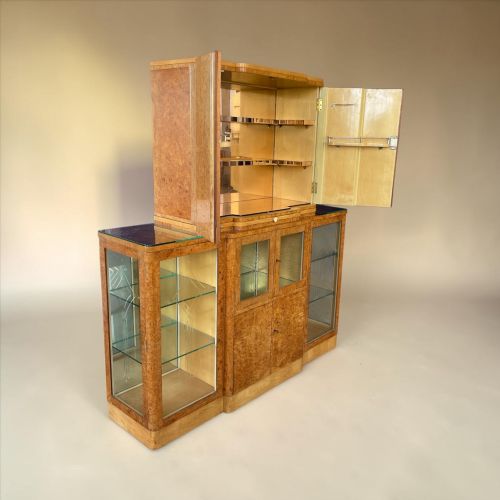
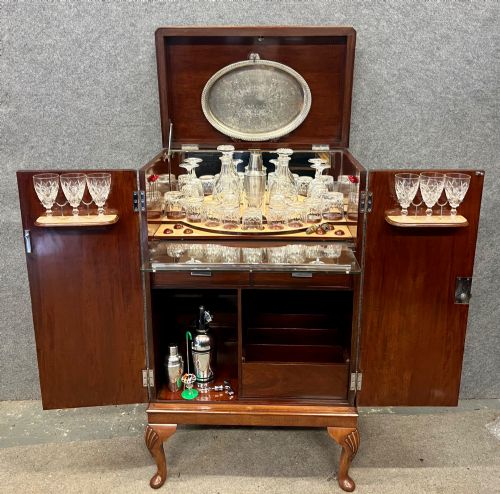
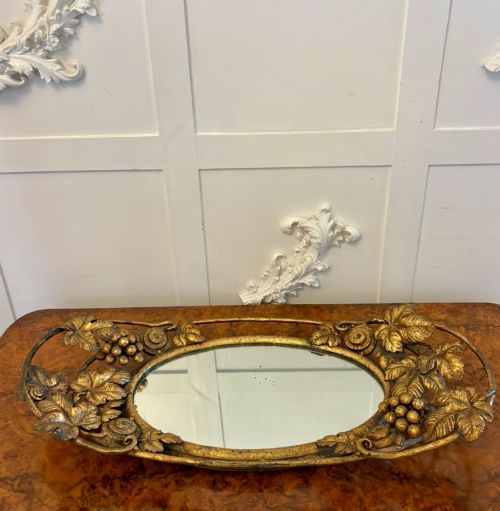
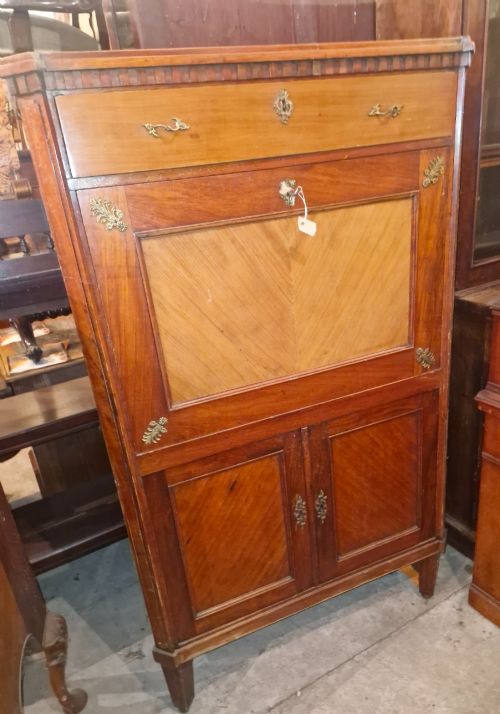
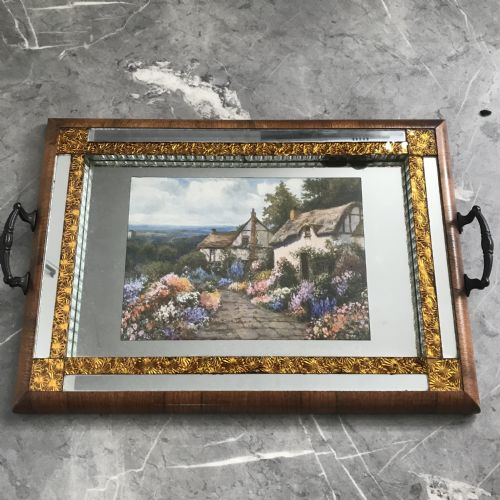
A vintage bar mirror encompasses various forms associated with entertaining, from mirrored trays and serving accessories to large cocktail cabinets and complete front and back bars. When searching for a vintage bar mirror, buyers encounter everything from compact tabletop display items to substantial furniture housing mirrored panels.
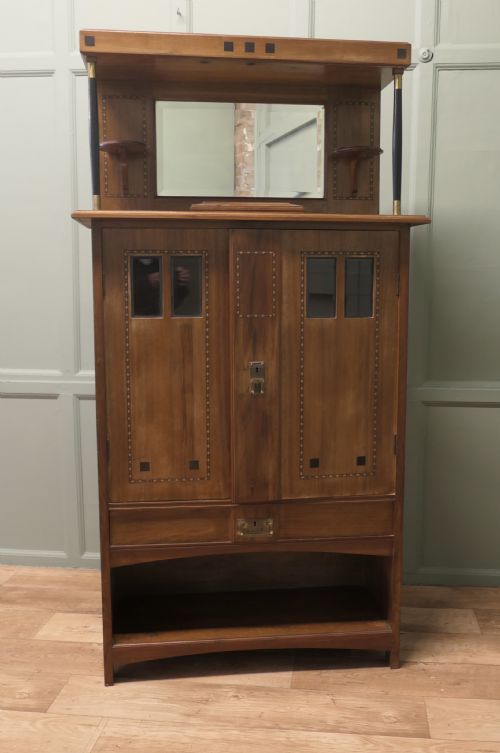
The selection ranges across several distinct periods, with Art Deco examples featuring mirrored glass and figured walnut appearing alongside Victorian mahogany bars and Edwardian serving trays. Pieces span from the late nineteenth century through to the modernist designs of the 1930s and 1940s.
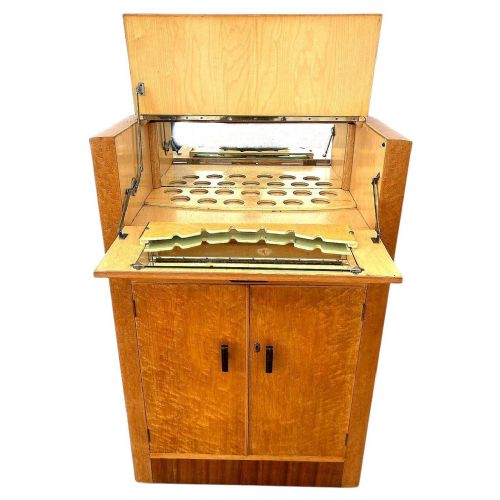
Cabinet forms frequently incorporate mirrored interiors designed to reflect glassware and bottles, while smaller items utilise silver plating and cobalt blue mirror glass. Walnut, burr walnut, oak, and blonde oak frequently form the structural framework for these mirrored designs.
Materials and construction methods
Makers utilised rich hardwoods including walnut, bird's-eye maple, mahogany, and oak to construct the cabinetry and trays that house the glass components. Veneers such as burr walnut were expertly applied to create striking patterned surfaces on Art Deco cabinets.
Mirror glass forms the primary visual element, often combined with chrome hardware, brass details, and silver-plated mounts. Structural integrity relies on traditional cabinet-making techniques paired with specialised glass fitting for the mirrored backs and serving surfaces.
Vintage Bar Mirror Retail Price Guide 2026
Typical asking prices for vintage bar mirror among the pieces listed under this phrase on Sellingantiques today, from the lower quarter to the upper quarter. They describe what is for sale here now, not the wider market.
Listings feature walnut, burr walnut, oak, blonde oak, mahogany, chrome, brass, and silver plate across items spanning the Victorian era to the 1940s.
Indicators of quality
The choice of veneer significantly affects the visual impact, with highly figured burr walnut and bird's-eye maple representing the more elaborate end of the cabinet-making spectrum. The integration of the mirror plate within the timber frame demonstrates the maker's precision.
Hardware quality ranges from simple metal fittings to original chrome modernist elements and cast brass details. The complexity of the interior fitments, such as specialised bottle storage and secretaire mirrors, distinguishes standard storage from finer entertaining furniture.
Maurice Adams·Epstein·Harry and Lou Epstein
The Vintage Bar Mirror Glossary
- Art Deco
- A design style prevalent in the 1920s and 1930s characterised by sleek geometric shapes, stylised motifs, and modern industrial materials. It dominates the mid-century selections found in this category.
- Tantalus
- A locking drink container that displays decanters while preventing unauthorised access to the contents. They often appear in nineteenth-century oak and mahogany bar setups.
- Secessionist
- An artistic movement from around 1900 that rejected traditional academic styles in favour of cleaner, more geometric forms. Pieces from this aesthetic show distinct linear details.
- Burr walnut
- A wood veneer taken from the growth excrescence of a walnut tree, yielding intricate, swirling grain patterns. Cabinet-makers prized this material for its decorative surface appeal.
- Hostess trolley
- A mobile serving cart equipped with wheels, shelves, and frequently mirrored surfaces for transporting drinks. These items emerged strongly during the modernist periods.
Vintage Bar Mirror: Frequently Asked Questions
What periods do these pieces come from?
The items span from the late nineteenth-century Victorian era through Edwardian and Secessionist designs up to the Art Deco period of the 1930s and 1940s.
Earlier examples tend to feature mahogany and brass, while later twentieth-century pieces embrace bird's-eye maple and chrome.
How were cocktail cabinets used?
Cocktail cabinets served as dedicated furniture pieces for storing spirits, glassware, and mixing equipment during social gatherings at home.
Their mirrored interiors and pull-out surfaces were specifically designed to facilitate the preparation and display of drinks.
What is a tantalus dry bar?
A tantalus dry bar combines a secure frame holding decanters with integrated space for games and serving accessories.
These nineteenth-century pieces kept valuable spirits locked away while providing an impressive focal point for guests.
How do I identify Art Deco pieces?
Art Deco items typically feature geometric symmetry, figured walnut or bird's-eye maple veneers, and polished chrome or mirror glass elements.
They reflect the modernist design sensibilities of the 1930s with clean, streamlined silhouettes.