



Vintage Bakhtiar Wool Rug
These vintage bakhtiar wool rug pieces bring enduring Persian tribal character and warmth to a room.
Vintage Bakhtiar Wool Rug
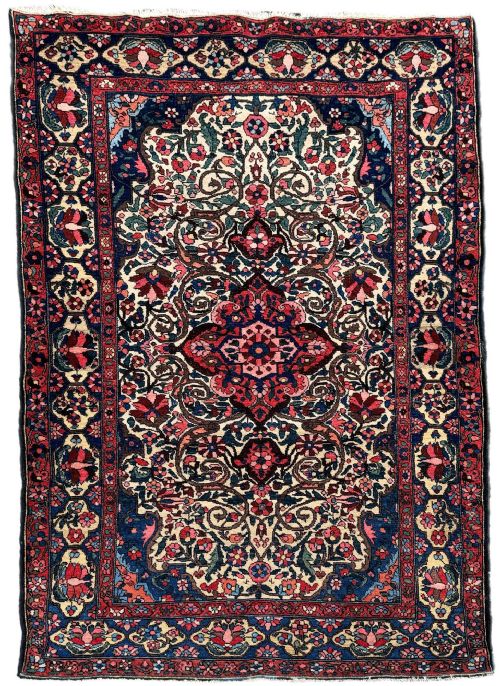
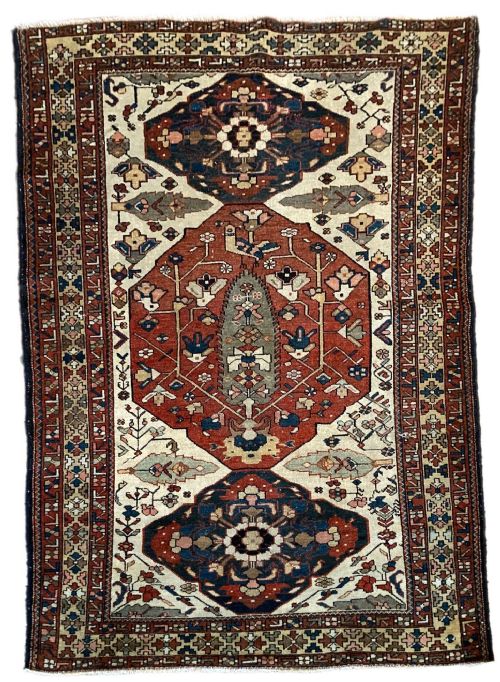
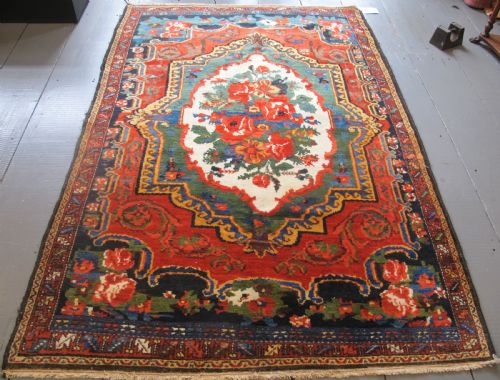
When you search for a vintage bakhtiar wool rug, you are looking at hand-knotted floor coverings originating from Persian tribal and traditional workshops. The examples available here span the decades from the late nineteenth century through to the nineteen-twenties, showcasing established regional patterns and robust construction. Most pieces you meet on this page take the form of practical area rugs alongside larger carpets suited to principal rooms.
The aesthetic is rooted in Persian tribal design, often featuring structured compartmentalised layouts or floral motifs woven with distinct regional character. These textiles carry the weight of traditional craftsmanship, developed across generations in the Bakhtiar region. Selecting one of these pieces brings authentic historical texture and dense pile into a modern interior.
How vintage bakhtiar wool rug pieces were made
The construction relies on a foundation of sturdy cotton threads crossed with thick wool pile hand-knotted to form the dense surface. Weavers tied durable knots by hand onto the warp and weft threads, securing each row to create a fabric capable of withstanding heavy daily use. This traditional method results in a rigid yet flexible textile that retains its shape over generations.
Natural dyeing techniques provided the deep colour palette characteristic of these Persian creations, utilising locally sourced materials for the wool. The combination of resilient wool pile and a firm cotton foundation ensures the structural integrity expected from genuine tribal weaving.
The selection here spans production dates from eighteen-ninety through to nineteen-twenty, utilising wool and cotton across traditional Persian formats.
What varies in quality
The distinction between standard examples and superior specimens lies in the tightness of the knotting and the precision of the woven design. Finer weaving allows for crisper geometric definition within the traditional Persian patterns, whereas coarser work yields a softer, more relaxed visual boundary. Knot density directly influences how the pile handles foot traffic and how sharply the motifs present themselves.
Condition and scale also define the hierarchy among these textiles, with larger carpets requiring significantly greater labour and material investment than standard area rugs. The uniformity of the wool and the preservation of the original edges and ends dictate the overall structural coherence of any given piece.
The Vintage Bakhtiar Wool Rug Glossary
- Pile
- The upright wool loops or cut ends that form the usable surface of the rug. This dense layer provides the softness underfoot and protects the structural foundation beneath.
- Warp
- The vertical foundation threads stretched tightly on the loom before weaving begins. The fringe of a finished rug is typically formed from the extended ends of these threads.
- Weft
- The horizontal threads passed alternately over and under the warp strings to bind the knots in place. This grid provides the underlying stability of the textile.
- Knot
- The individual loops of coloured wool tied around the warp threads by the weaver to build the pattern. Higher concentrations of these units generally indicate greater labour investment.
- Foundation
- The underlying grid of cotton or wool that supports the decorative pile. The strength of this base determines the longevity of the floor covering.
Vintage Bakhtiar Wool Rug: Frequently Asked Questions
How are they used?
These textiles function primarily as durable floor coverings, adding warmth and traditional pattern to living spaces, hallways, or studies. Their dense wool construction provides practical comfort underfoot while anchoring the furniture arrangement in a room.
Larger formats serve well in main reception areas, while standard area rugs define smaller seating zones or bedside spaces. Their historical character allows them to integrate into both traditional and contemporary interiors.
How do I live with them?
Living with these woven pieces requires standard textile care, including regular gentle vacuuming without a rotating brush to protect the wool pile. Positioning them away from direct, harsh sunlight helps preserve the natural dyes over time.
Using a suitable underlay prevents slipping and reduces friction between the cotton foundation and the hard floor beneath. Rotating the textile periodically ensures even exposure to wear and foot traffic.
How do I tell periods apart?
Distinguishing the age of these pieces involves examining the specific characteristics of the wool, the dye palette, and the intricacy of the Persian tribal motifs. Earlier examples from the late nineteenth century often display distinct natural colour variations and softer wool textures.
Pieces from the nineteen-tens and nineteen-twenties show steady consistency in their traditional designs and cotton foundations. Comparing the structural tightness and the specific regional style markers helps place a textile within its proper decade.
What is a Bakhtiar rug?
A Bakhtiar rug is a hand-knotted textile produced by the nomadic and village weavers of the Bakhtiar region in Persia. These pieces are traditionally recognised for their robust wool construction and structured designs, frequently incorporating garden-style compartments or floral medallions.
The use of durable cotton foundations combined with dense wool pile makes them exceptionally hard-wearing. They represent a distinct branch of Persian tribal weaving known for longevity and bold pattern work.