


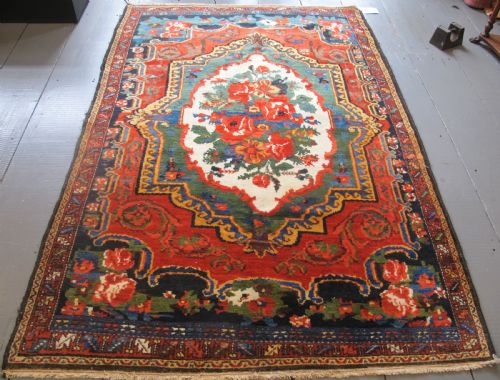
Persian Bakhtiar Rug
A persian bakhtiar rug brings enduring tribal character and traditional craftsmanship into a room.
Persian Bakhtiar Rug
A persian bakhtiar rug is a traditional floor covering originating from the West and Central regions of Persia. Buyers searching this phrase typically encounter antique village rugs and carpets woven during the late nineteenth and early twentieth centuries.
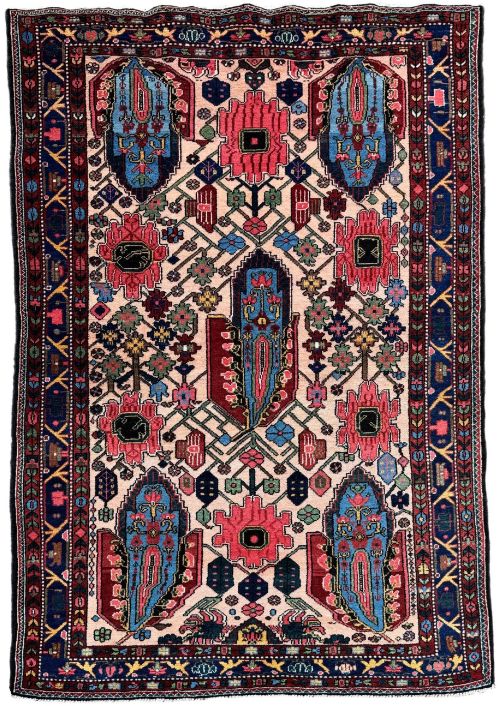
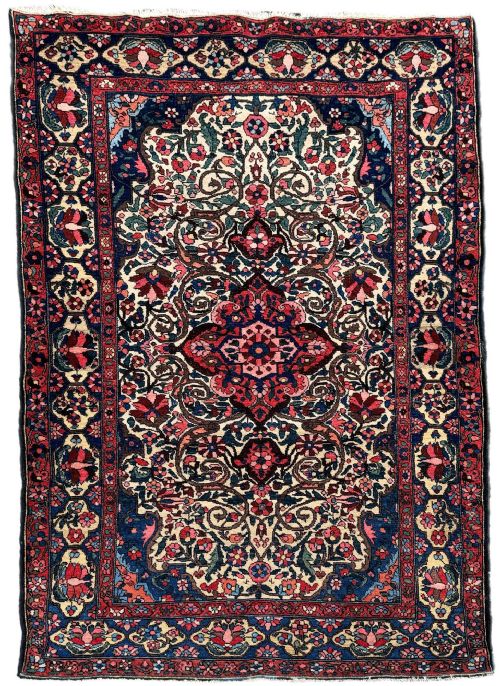
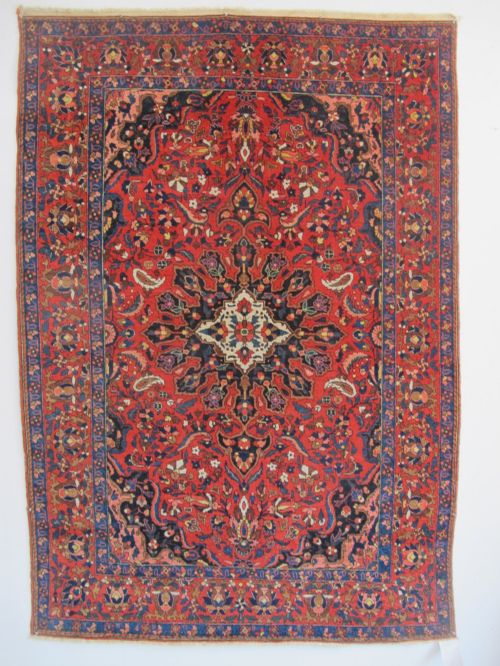
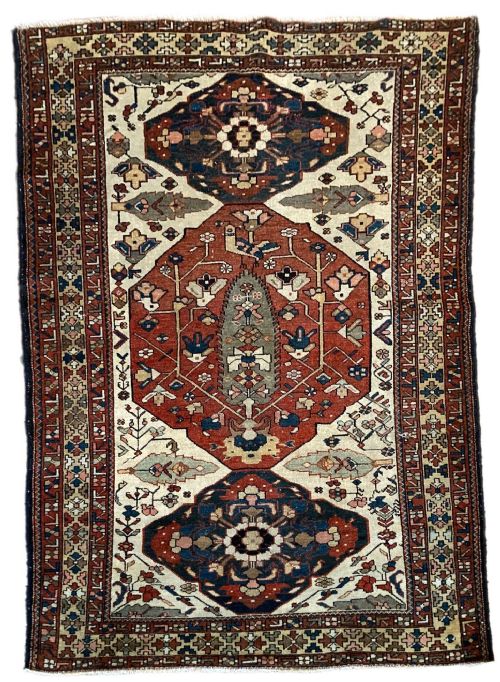
The selections span from standard area sizes to longer runner rugs and larger carpets. Common design expressions include floral medallion patterns and elaborate garden layouts featuring trees and birds.
Most examples date from specific decades around 1890, 1900, 1910, and 1920. These pieces represent distinct Persian tribal artistry handed down through generations of village weavers.
How they were made
Traditional persian bakhtiar rug examples are constructed using durable wool for the pile and cotton for the foundation structure. Handwoven techniques ensure a dense, resilient textile designed for functional everyday use.
Natural materials dominate the historical record, yielding rich village colours that mature gracefully over decades of wear. Artisans knot the wool onto cotton warps and wefts to create stable, long-lasting floor coverings.
Early village weavers occasionally tucked tiny depictions of birds into the corners of formal garden compartments just to watch them fly.
What varies in quality
The distinction between standard village pieces and finer examples rests on the complexity of the design and the fineness of the weave. Garden designs with pictorial elements like trees and birds often demonstrate advanced artistic execution.
Overall visual appeal depends on the depth and preservation of the old colours. Tighter knotting and careful handling of complex medallion or floral motifs separate exceptional carpets from ordinary utility rugs.
The Persian Bakhtiar Rug Glossary
- Pile
- The vertical or slanted soft yarn surface of the rug formed by the cut ends of knots. This wool layer absorbs foot traffic and displays the primary pattern.
- Warp
- The stationary longitudinal threads stretched tightly on the loom before weaving begins. Cotton warps provide the foundational skeleton for the entire textile.
- Weft
- The horizontal strands passed across the warp threads between rows of knots to secure them in place. These cotton threads stabilise the structure of the rug.
- Medallion
- A large central ornamental design motif placed in the middle of the field. Many traditional village carpets feature this prominent focal point.
- Runner
- A long and narrow format of rug traditionally utilised in hallways or corridors. These elongated carpets accommodate specific architectural spaces.
Persian Bakhtiar Rug: Frequently Asked Questions
How do I date a rug?
Dating relies on stylistic indicators, structural analysis, and comparative evidence from pieces produced around 1890 through 1920.
Changes in natural colour palettes and design intricacy help specialists place specific items within this historical window.
How do I use a runner?
Runner formats suit narrow domestic spaces such as corridors, hallways, and bedside areas.
Their elongated proportions protect high-traffic floorboards while adding traditional character to transitional spaces.
What is a garden design?
A garden design layout divides the rug field into geometric compartments depicting trees, flowers, and birds.
This specific compartmentalised iconography reflects traditional Persian representations of formal paradise gardens.