




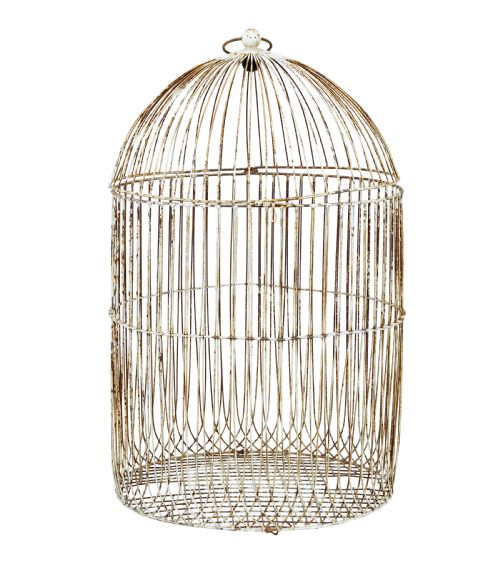


Vintage Aviary Cage
These vintage aviary cage pieces combine utilitarian wire mesh and metal with decorative form, bringing rustic charm and architectural interest to interior spaces.
Vintage Aviary Cage
When you search for a vintage aviary cage, you find domestic enclosures designed to house birds, repurposed today as decorative objects in homes and gardens. These structures range from small hanging enclosures to substantial floor-standing pieces made for display.
The selections on this page span several decades from the late nineteenth century through the early twentieth century. You will encounter Victorian and Edwardian examples alongside French provincial styles, reflecting domestic aesthetics of past eras.
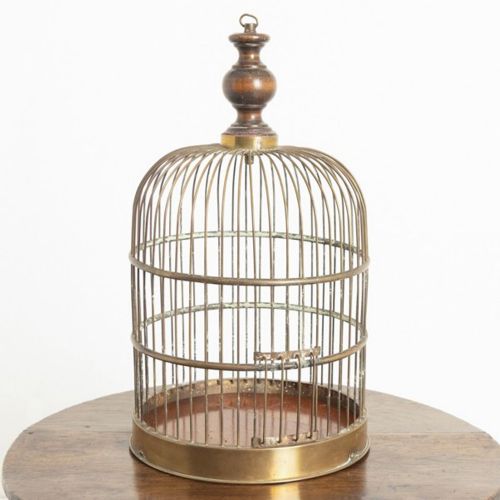
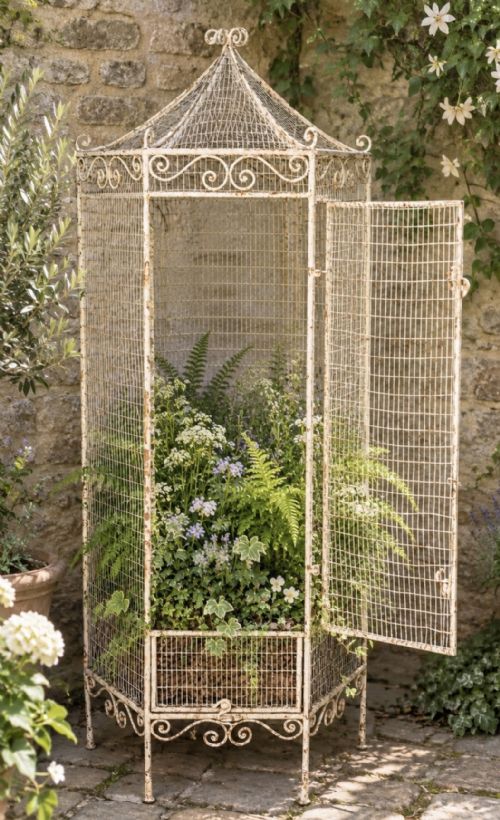
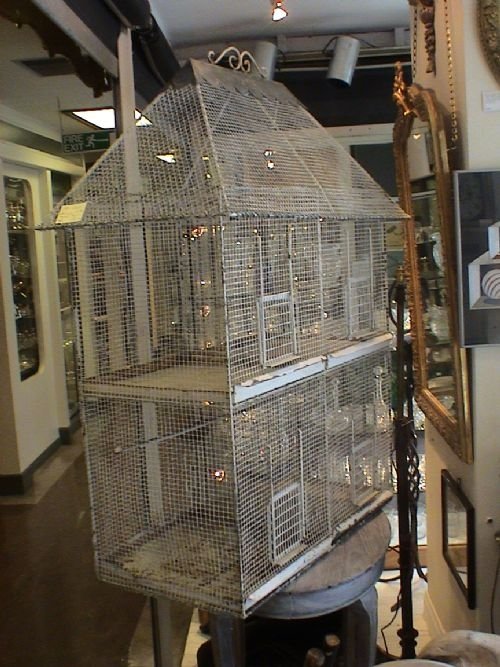
Forms vary from round brass parrot cages to large rectangular wire frames and wooden breeding boxes. Each object retains the utilitarian spirit of its origins while serving as a focal point in a room.
How they were made
Metals form the structural backbone of these pieces, utilising brass, wrought iron, copper, and zinc alongside wire mesh. Artisans shaped these materials into rigid frames and delicate bars, sometimes combining brass and copper for textural contrast.
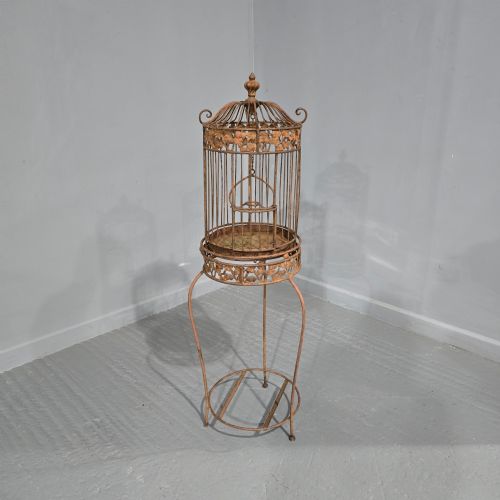
Wood and paint appear in country house and breeding variants, introducing organic warmth and surface colour to the wire construction. Cast iron provides a heavy, durable base for freestanding models designed to sit upon dedicated stands.
Vintage Aviary Cage Retail Price Guide 2026
Typical asking prices for vintage aviary cage among the pieces listed under this phrase on Sellingantiques today, from the lower quarter to the upper quarter. They describe what is for sale here now, not the wider market.
Some cages were built so large that they required their own dedicated iron stands just to keep them off the floor.
What varies in quality
The calibre of a piece rests upon the integrity of its wirework and the solidity of its junctions. Finer examples display precise soldering and harmonious proportions between the decorative framework and the functional access doors.
Material choice dictates distinction, with substantial brass and copper constructions holding visual weight compared to simpler wire frames. Patina and original surface treatments also separate standard utilitarian items from decorative focal points.
The Vintage Aviary Cage Glossary
- Wire Mesh
- A network of metal wire woven or welded together to form the enclosure walls. It defines the transparent boundary of the cage.
- Patina
- The surface sheen and colour acquired by metal or wood through age and handling. This indicator marks genuine historical depth.
- Cast Iron
- Molten iron poured into a mould to create heavy structural supports or stands. It provides stability for floor-standing models.
- Chateau
- A large French country house or estate, inspiring ornate and substantial architectural forms in metalwork. These pieces often feature zinc or iron elements.
- Art Nouveau
- A decorative style characterised by flowing, organic lines and natural motifs, popular around the turn of the twentieth century. Brass hanging models occasionally exhibit these sinuous curves.
Vintage Aviary Cage: Frequently Asked Questions
How were these cages originally used?
These enclosures housed pet birds such as parrots, finches, and canaries within domestic parlours and country houses. They kept birds secure while allowing ventilation and light through the wire mesh.
Larger wooden versions served dedicated breeding purposes in rural settings. Today, they function primarily as decorative objects rather than functional habitats.
How do I clean a metal cage?
Dust the wire mesh and metal surfaces gently with a soft dry cloth to preserve the historical patina. Avoid harsh chemical cleaners that might strip the aged finish from brass or copper.
If the metal requires attention, mild soapy water on a damp cloth works well for stubborn grime. Ensure the material dries completely to prevent tarnishing.
Can I hang these cages safely?
Hanging a cage requires locating a secure ceiling joist or a sturdy wall bracket capable of supporting the weight. Substantial brass and iron models are surprisingly heavy and need robust hardware.
Check the suspension loop or hanging chain on the piece before mounting it. Ensuring structural integrity prevents accidental detachment.
How do I date a piece?
Examine the construction methods, materials, and stylistic cues such as Art Nouveau curves or Victorian cast iron bases. Brass and copper combinations often point toward late nineteenth or early twentieth-century manufacturing. Nail types, wire thickness, and paint layers also offer clues to the era of origin. Comparing these details with known periods helps establish an approximate timeline.