




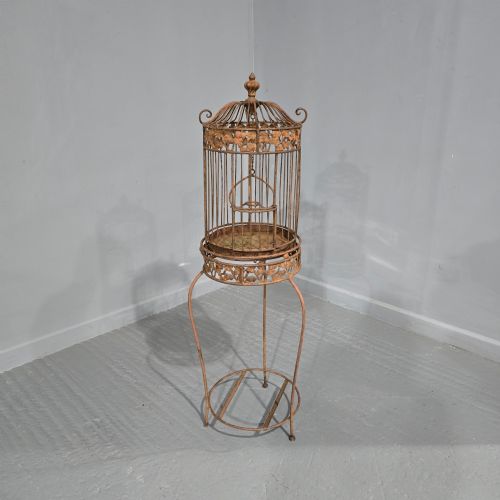


Vintage Aviaries
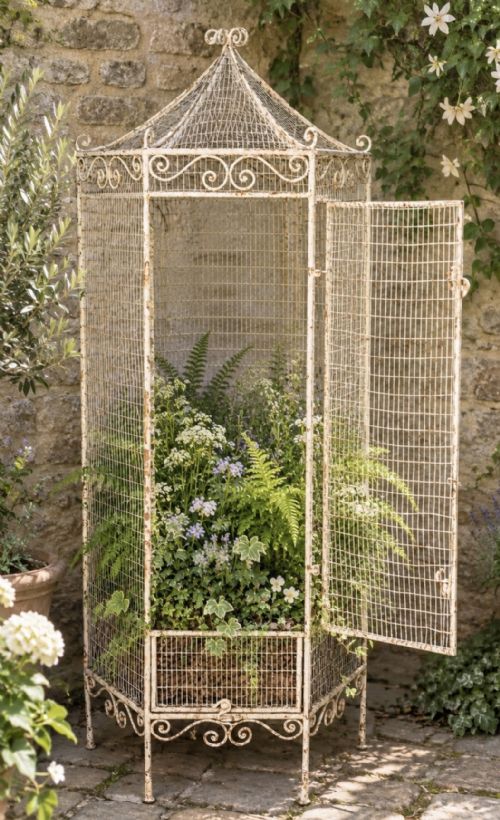
These vintage aviaries are domestic structures built to house birds, offering intricate metalwork and timber framing that make striking decorative statements in a room.
Vintage Aviaries
When you search for vintage aviaries, you encounter domestic enclosures that range from modest wooden breeding boxes to substantial hanging and freestanding metal structures. The examples seen on this page span the late nineteenth century through to the early decades of the twentieth century, encompassing Victorian, Edwardian, and Art Nouveau aesthetics.
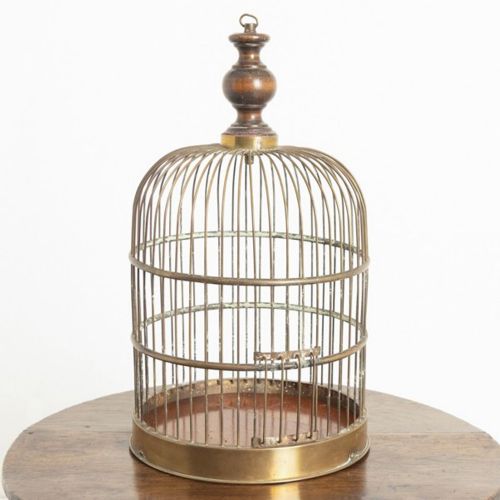
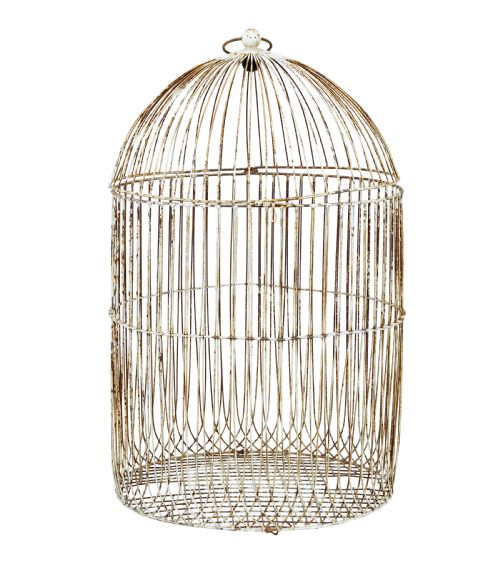
The most common forms are brass bird cages and decorative wire frame designs, often built on a large scale for display rather than active keeping. Pieces originate from diverse domestic traditions, including French provincial and country house contexts, reflecting the varied interior tastes of their original periods.
How they were made
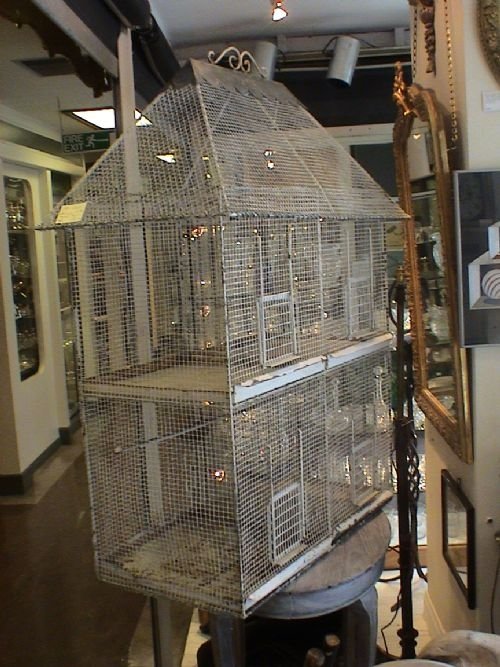
Construction relies on a combination of metalworking and timber assembly, utilising brass, wrought iron, copper, and zinc alongside wooden frameworks and wire mesh. Metal components are frequently shaped into rounded or architectural silhouettes, secured with structural framing and sometimes finished with applied paint or glass elements.
Makers employed traditional artisanal techniques to join fine wires and heavy cast iron bases, ensuring both the rigidity of the cage and the delicacy of its visual pattern. Larger examples integrate multiple materials, combining brass and copper or mounting wire structures onto sturdy iron stands.
Vintage Aviaries Retail Price Guide 2026
Typical asking prices for vintage aviaries among the pieces listed under this phrase on Sellingantiques today, from the lower quarter to the upper quarter. They describe what is for sale here now, not the wider market.
Materials across the listings include brass, wrought iron, wood, wire mesh, paint, iron, copper, and glass, spanning the 1870s to the 1920s.
What varies in quality
Quality rests in the integrity of the structural materials and the refinement of the decorative detailing, distinguishing standard utilitarian models from ambitious architectural showpieces. Substantial gauges of brass, well-executed wirework, and solid iron stands demonstrate a higher grade of manufacture.
The balance of proportions and the preservation of original patination on metals like copper, zinc, and brass dictate the visual presence of a piece. Finer examples retain their original structural harmony without clumsy repairs to the delicate mesh and framing.
The Vintage Aviaries Glossary
- Brass
- A copper and zinc alloy prized for its warm metallic lustre and resistance to corrosion, frequently used in decorative nineteenth-century frames. It forms the primary material for many substantial hanging and tabletop cages.
- Wire mesh
- A network of interwoven or welded metallic strands forming the protective enclosure of the cage. Its fineness and evenness of gauge indicate the standard of construction.
- Wrought iron
- A tough, malleable iron form beaten into shape by hand, utilised for sturdy structural elements and decorative stands. It provides the heavy foundation required for large freestanding enclosures.
- Zinc
- A bluish-white metal valued for its durability and weathering qualities, occasionally employed in continental European architectural housings. It offers a distinct industrial counterpoint to softer brass components.
- Breeding cage
- A functional wooden enclosure historically designed to partition pairs for propagation rather than purely decorative display. These utilitarian pieces feature simpler timber construction.
Vintage Aviaries: Frequently Asked Questions
What periods do these aviaries come from?
The pieces span the late nineteenth century into the early twentieth century, encompassing styles from the Victorian and Edwardian eras. Items range from the 1870s through to the 1920s.
Designs transition from heavy cast iron and rustic country styles towards lighter Art Nouveau brass framing and French provincial influences as the period progresses.
How were these cages originally used?
They served as domestic housing for pet birds, ranging from small songbirds kept in parlours to larger parrots housed in substantial round brass structures. Breeding variants supported the care and propagation of birds within dedicated rooms.
Over time, many of these enclosures transitioned from functional animal housing into purely decorative objects placed within country houses and salons.
How do I live with a vintage aviary?
These structures function as striking focal points when placed on sturdy tables, mounted as hanging centrepieces, or positioned on the floor using dedicated stands. Their open metalwork creates visual depth without blocking light in a room.
They require gentle dusting with soft brushes to preserve the delicate wire mesh and maintain the historical patination of the brass, copper, and iron surfaces.
How do I tell different styles apart?
Victorian examples often feature heavy cast iron stands and robust construction, whereas Edwardian and later pieces tend towards lighter brass or copper wirework. Art Nouveau items introduce flowing, organic metallic lines into the hanging frames.
Continental pieces, such as those from French provincial or chateau origins, utilise zinc and distinctive regional silhouettes that separate them from standard British country house models.