






Vintage Automaton
These vintage automaton pieces bring clockwork movement and mechanical magic into your home.
Vintage Automaton
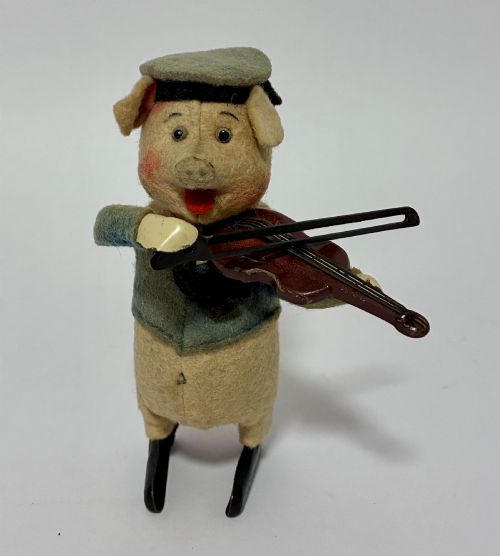
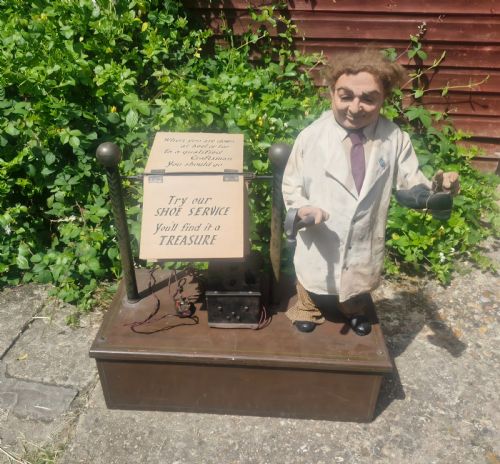
When you search for a vintage automaton, you are looking at mechanical figures and moving objects spanning from the eighteenth century to the mid-twentieth century. These pieces encompass musical boxes, singing bird boxes, shop display models, balance toys, and mechanical clockwork dioramas.
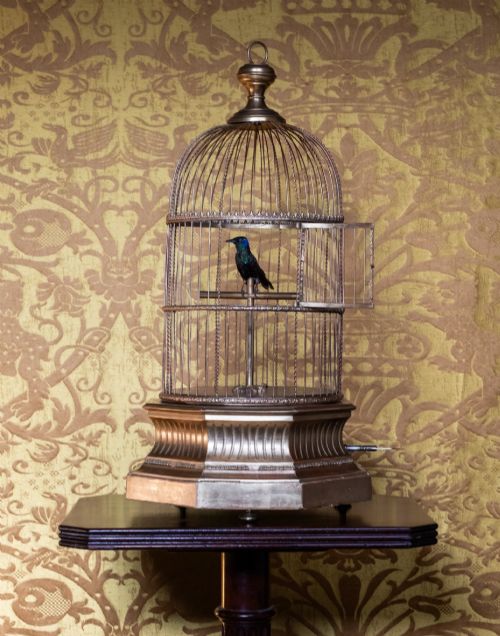
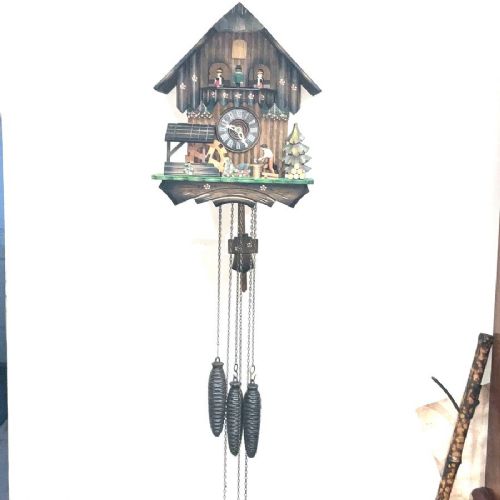
You are most likely to meet Victorian and early twentieth-century examples on this page, including Black Forest singing bird cages and French papier-mâché figures. The selection includes wall clocks with automation, organ figures, and mechanical beam engine clocks alongside traditional animal sculptures.
Makers such as Karl Griesbaum, Roulett & Decamps, Andre Guilmet, and Vurley of Wisbech appear across the varied inventory. The styles range from folk art and Black Forest to Art Deco and Belle Epoque, reflecting diverse European workshop traditions.
How they were made
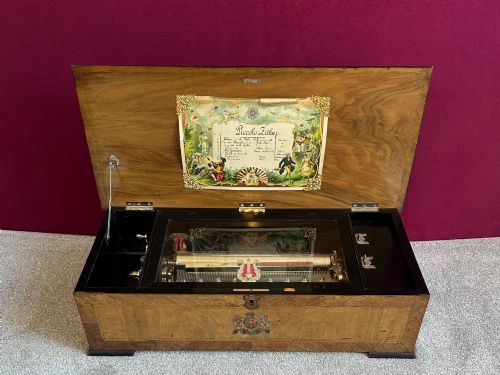
Makers utilised a combination of wood, brass, steel, and glass to construct the internal clockwork mechanisms and outer housings. Walnut and rosewood frequently form the cabinetry and musical box enclosures, often enhanced with inlay work or painted finishes.
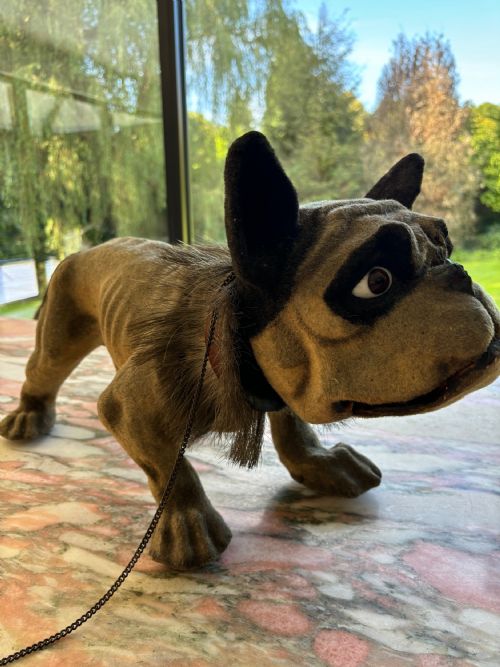
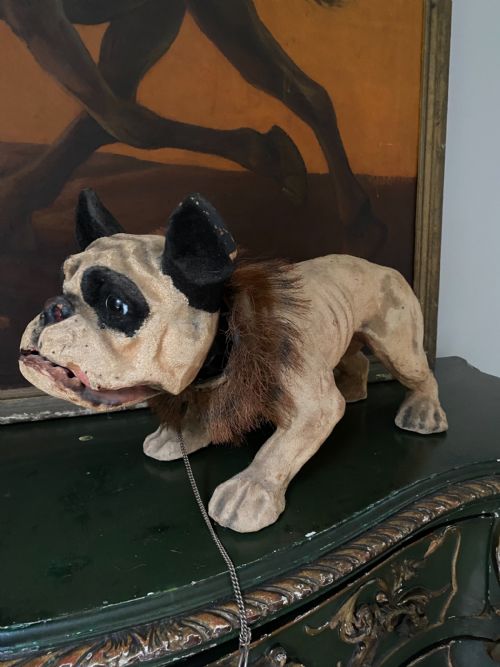
Leather and papier-mâché give shape to animal figures such as French bulldogs, while metal forms the structural components of balance toys and mechanical beam engine clocks. Craftspeople combined precision gearing with hand-carved or moulded elements to achieve lifelike movement.
Vintage Automaton Retail Price Guide 2026
Typical asking prices for vintage automaton among the pieces listed under this phrase on Sellingantiques today, from the lower quarter to the upper quarter. They describe what is for sale here now, not the wider market.
Periods represented span from the eighteenth century through Victorian times to nineteen fifty.
What varies in quality
The sophistication of the mechanical movement and gear train sets the standard for quality across these pieces. Intricate cams, clean striking action in clocks, and fluid motion in figures distinguish finer works from simpler mechanical toys.
Material selection and cabinetry finish also dictate the tier of a piece, from solid rosewood musical boxes to basic painted metal balance toys. The reputation of specific workshops and signed mechanisms elevate certain items above standard commercial production.
Karl Griesbaum·Roulett & Decamps·Andre Guilmet·Vurley of Wisbech
The Vintage Automaton Glossary
- Automaton
- A self-operating machine or figure constructed to repeat a series of movements or motions. These devices rely on internal clockwork, cams, and levers.
- Balance toy
- A mechanical object that utilises counterweights to create motion or maintain equilibrium when disturbed. These pieces often feature simple metal construction.
- Singing bird box
- A small mechanical container housing a miniature feathered bird that animates and whistles using a tiny bellows and whistle mechanism. Karl Griesbaum produced notable examples of this form.
- Diorama
- A three-dimensional scene enclosed in a case, sometimes incorporating clockwork components to create moving elements within the display. These date from the early twentieth century.
- Music box
- An automated mechanical instrument that produces musical notes by plucking tuned teeth on a steel comb with a rotating cylinder set with pins. Rosewood and walnut cases often house these musical movements.
Vintage Automaton: Frequently Asked Questions
How do vintage automata work?
These pieces operate through wound clockwork springs, gear trains, and internal cams that direct levers and wires. The mechanism translates stored tension into coordinated physical movements or musical sequences.
Different designs utilise bellows for sound or rotating cylinders for musical tunes, housed discreetly beneath the figures or inside wooden cabinets.
Where were these pieces made?
The pieces originate from various European centres of mechanical craftsmanship, including Germany, France, Switzerland, and England. Specific regions, such as the Black Forest, developed distinct specializations in bird boxes and mechanical clocks.
Workshops in Paris and regional English towns also produced notable figures and longcase clock automata.
How do I care for a mechanical automaton?
Keep the mechanism clean and free from dust by storing the piece in a stable environment away from extreme humidity and direct sunlight. Wind clockwork motors gently without forcing them past their natural stop point.
Professional servicing by a specialist in antique horology or mechanical music ensures the gears and springs remain properly lubricated.
What periods do these pieces span?
The available selection spans from the eighteenth century through the Victorian era up to the mid-twentieth century around nineteen fifty. Earlier pieces frequently feature rosewood musical boxes while later examples include mid-century German and Venetian items.
Stylistic shifts trace the transition from ornate Belle Epoque designs to Art Deco and mid-century commercial production.