





Vintage Artist Studio Stand
These vintage artist studio stand pieces are working studio equipment built to hold canvases, now chosen to display paintings or photographs at home.
Vintage Artist Studio Stand
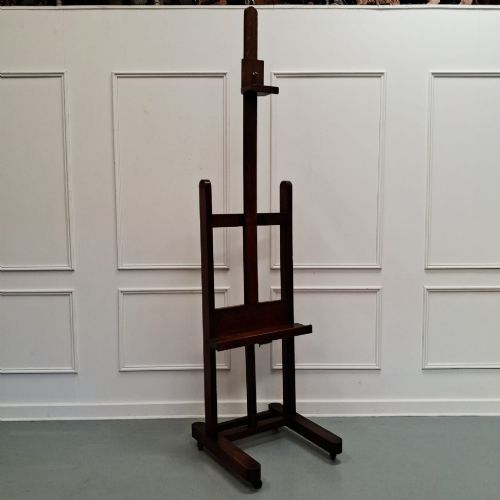
When you search for a vintage artist studio stand, you find heavy utilitarian equipment designed for painters, sculptors, and draughtsmen. The selection spans the nineteenth century through the 1930s, offering floor-standing easels, gallery easels, and sculptors stands.
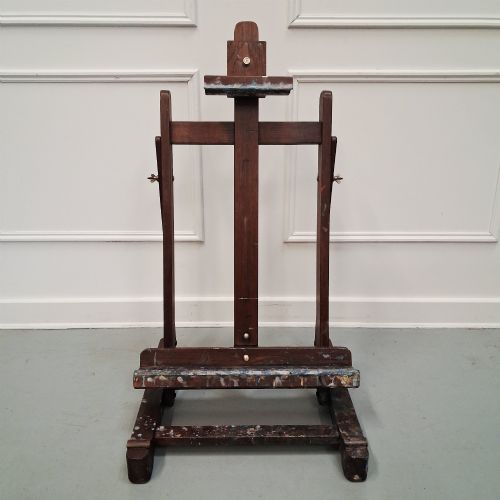
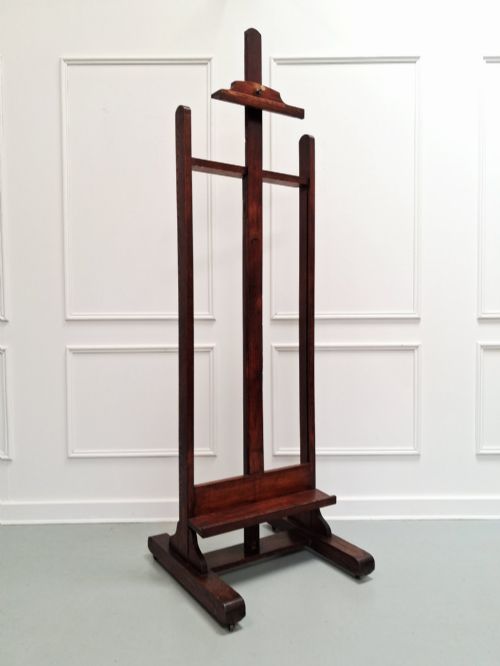
You will frequently encounter French oak examples alongside larger nineteenth-century mahogany and oak studio easels. Pieces range from fully adjustable working models to double-sided gallery versions and specialised display stands.
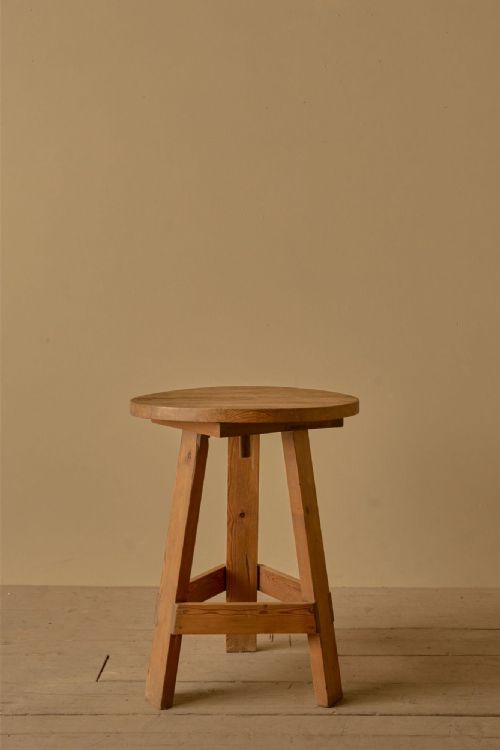
Alongside standard floor easels, the range includes tabletop variants, display stands, carved oak pieces, and painted sculptors stands from the late nineteenth century. These objects bring industrial utility and period craftsmanship into contemporary domestic spaces.
Materials and construction
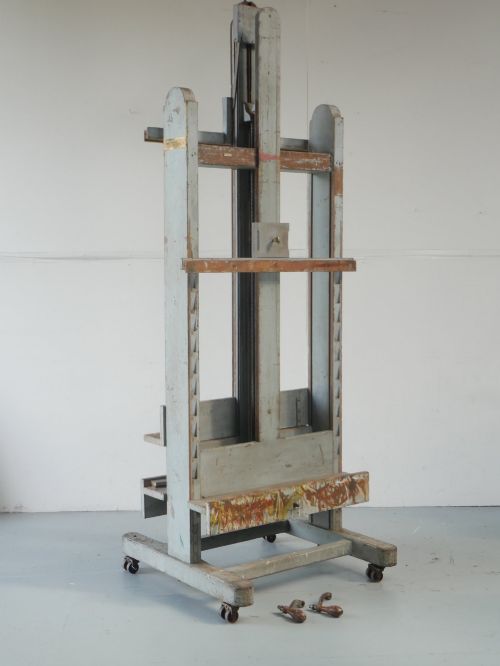
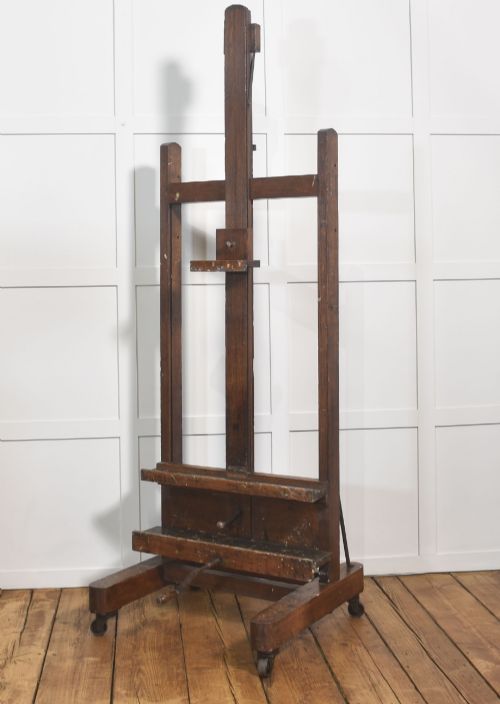
Makers built these pieces primarily from robust hardwoods like oak, mahogany, and pitch pine, chosen for their structural strength. Metal and cast iron components appear frequently in the winding mechanisms, brackets, and adjustable fittings that allow the stands to raise and lower heavy canvases.
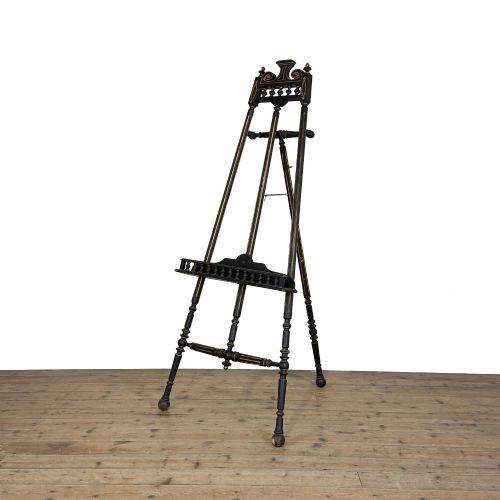
Joinery techniques focus entirely on functional endurance, utilising sturdy framing to support the significant weight of large paintings and stone or clay sculptures. Painted finishes and ebonised treatments also appear, sometimes protecting the wood or altering the visual weight of the stand.
Vintage Artist Studio Stand Retail Price Guide 2026
Typical asking prices for vintage artist studio stand among the pieces listed under this phrase on Sellingantiques today, from the lower quarter to the upper quarter. They describe what is for sale here now, not the wider market.
Qualities of distinction
The sophistication of the mechanical adjustment systems separates standard utility pieces from more complex workshop equipment. Stands featuring fully operational winding gear, original brass hardware, and double-sided gallery tracks represent a higher tier of design.
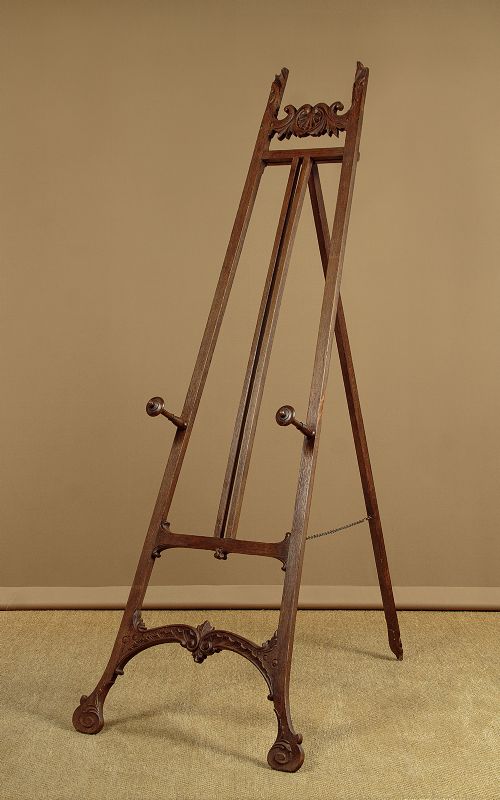
The choice of timber and the presence of decorative carving, such as swan motifs or aesthetic movement detailing, elevate certain pieces beyond basic studio furniture. Preservation of original paint surfaces and patinated hardwood finishes also defines the more desirable examples.
Windsor and Newton
The Vintage Artist Studio Stand Glossary
- Gallery easel
- A heavy-duty stand designed with a wide base to display large framed artworks securely in exhibition spaces or grand rooms.
- Sculptors stand
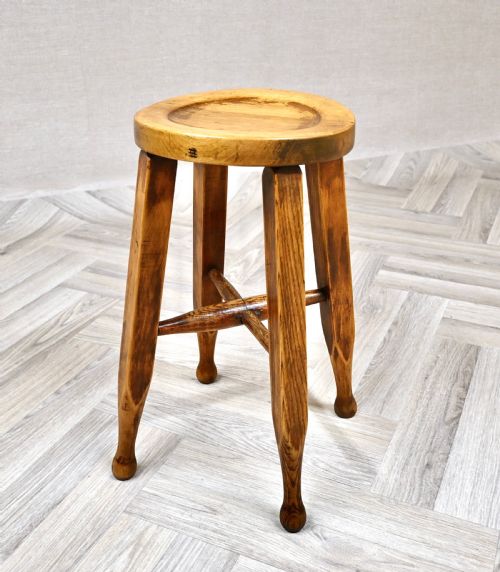
- A sturdy revolving or fixed platform built to support heavy clay, stone, or plaster sculptures during the modeling process.
- Ebonised
- Wood treated with a dark stain or finish to imitate expensive ebony, often seen on nineteenth-century aesthetic style pieces.
- Pitch pine
- A resinous softwood utilised for its durability and prominent grain pattern in late nineteenth and early twentieth-century furniture.
- Adjustable mechanism
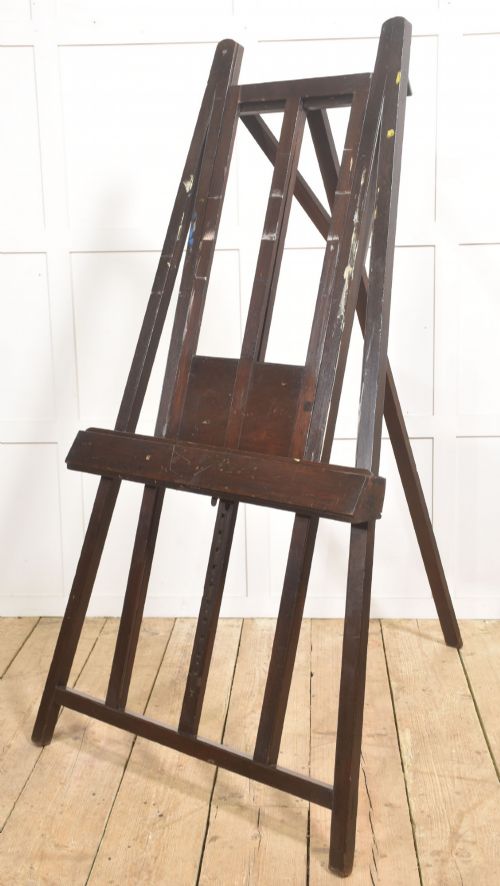
- The system of pegs, ratchets, and winding handles that allows artists to alter the height and angle of the work.
Vintage Artist Studio Stand: Frequently Asked Questions
What is a vintage artist studio stand?
A vintage artist studio stand is a functional piece of equipment originally designed to hold canvases, panels, or sculptures during the creative process. These items include floor-standing easels, revolving sculptors stands, and display pieces built from robust woods and iron.
Today, they serve as prominent interior fixtures for displaying large artworks, mirrors, or photographs within domestic and commercial settings.
How do I use a studio easel at home?
Studio easels function effectively as permanent display mounts for large paintings, framed prints, or flat-screen televisions. Their adjustable ledges allow you to change the viewing height easily to suit your room layout.
Placing one in a corner or living room creates a focal point that borrows authenticity from historical artist workspaces.
How do I date a nineteenth-century easel?
Dating these pieces involves examining the timber species, the style of the joinery, and the complexity of the hardware mechanisms. Nineteenth-century examples often feature heavy oak or mahogany construction with hand-turned wooden knobs and wrought iron brackets.
Later pieces from the early twentieth century frequently incorporate simpler lines or French provincial styling characteristic of the 1900s to 1930s.
What is the difference between a sculptors stand and an easel?
A sculptors stand provides a flat or rotating platform designed to support heavy, three-dimensional materials like clay and stone rather than flat canvases. Easels feature vertical masts and adjustable ledges specifically angled to hold paintings and boards for visual artists.
While both share robust industrial framing, the sculptors stand prioritizes horizontal weight distribution and rotation.