


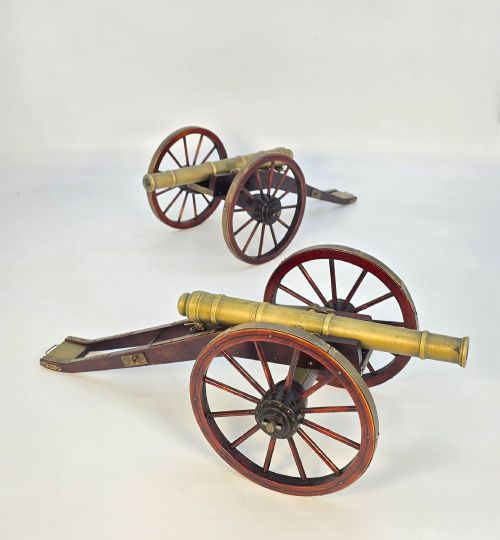


Vintage Artillery
Vintage artillery encompasses scale models, desk ornaments, and militaria ranging from brass signal cannons to trench art.
Vintage Artillery
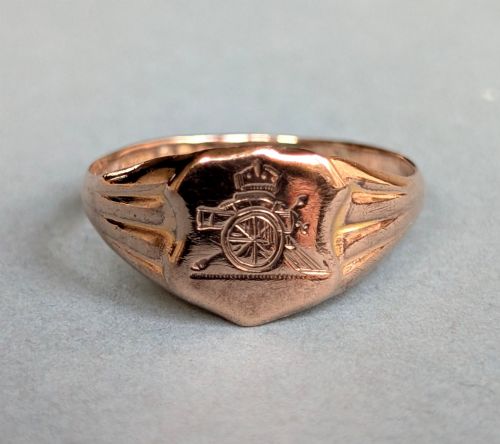
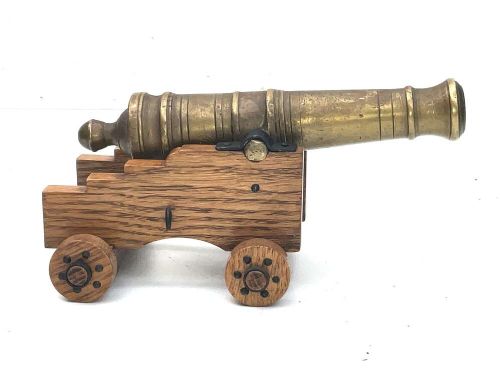
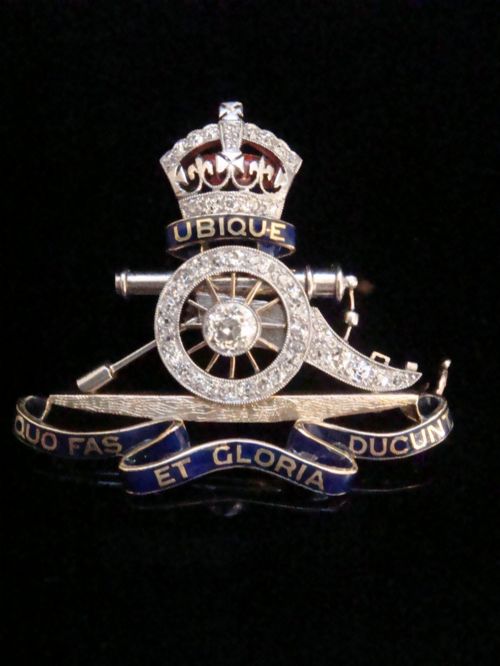
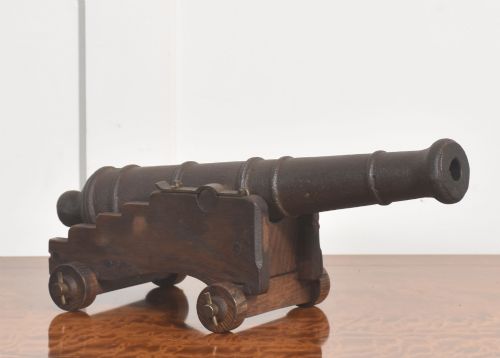
Vintage artillery pieces span scale models of field guns, decorative desk cannons, and personal items like enamel brooches. Buyers selecting vintage artillery encounter various interpretations of historical ordnance, predominantly miniature cannons mounted on timber carriages.
The selections include cast iron signal cannons, brass ship of the line models, and personal military accessories such as Royal Artillery brooches. Pieces originate from diverse eras, touching upon the nineteenth and early twentieth centuries.
Forms extend from heavy garden cannons to trench art brass shell cases and pocket watch chronographs. Desk ornaments and scale models dominate the physical items present in this category.
Materials and construction
Surface finishes involve polished steel, silver plating, and guilloche enamel work on smaller personal items like brooches. Structural construction combines metal casting with fitted wooden undercarriages and operational wheels.
Vintage Artillery Retail Price Guide 2026
Typical asking prices for vintage artillery among the pieces listed under this phrase on Sellingantiques today, from the lower quarter to the upper quarter. They describe what is for sale here now, not the wider market.
The listings span multiple eras, including the eighteenth century, Victorian period, Edwardian era, and the First and Second World Wars.
Assessing quality
Quality depends on the precision of the metal casting and the fidelity of the scale model to historical ordnance designs. Hand-built examples with intricate detailing on barrels and carriages stand apart from simpler decorative objects.
The selection of timber for carriages, such as seasoned oak and mahogany, influences the integrity of the piece. Superior items exhibit refined finishing, such as polished bronze and well-fitted mechanical elements on signal cannons.
The Vintage Artillery Glossary
- Signal cannon
- A small ordnance piece used for firing blank charges to signal times, start races, or salute vessels. These models are typically mounted on wooden carriages.
- Trench art
- Decorative or utilitarian items created by soldiers, prisoners of war, or civilians from war debris such as empty shell cases. Brass shell cases form the basis of these artefacts.
- Gribeauval system
- A standardisation of French artillery developed by Jean-Baptiste Vaquette de Gribeauval in the eighteenth century. Models replicate this specific field gun design.
- Guilloche enamel
- A decorative technique involving precise, intricate mechanical patterns engraved beneath translucent enamel. This finish appears on military brooches.
Vintage Artillery: Frequently Asked Questions
What is a signal cannon?
Signal cannons are small-scale ordnance pieces designed to produce a loud report using gunpowder without firing a projectile. They were commonly employed on estates, yachts, and coastal stations to mark times or signal distress.
Most examples found in this category date from the nineteenth and early twentieth centuries, featuring metal barrels mounted on timber undercarriages.
How do I identify trench art?
Trench art comprises items fashioned from military scrap, surplus materials, and spent ammunition components like brass shell cases. Makers transformed these metal tubes into utilitarian objects such as stick stands or vases.
These pieces bear the distinct marks of hand-working, hammering, and engraving produced during active conflict periods.
What are model cannons made from?
Model cannons utilise durable metals including cast iron, bronze, and brass for the barrels and framing. Carriages are predominantly constructed from dense hardwoods such as oak or mahogany to support the metal weight.
Some smaller decorative items incorporate precious metals and stones, particularly in the category of military brooches.
Are desk cannons functional?
Desk ornaments and signal cannons vary in their mechanical capability, with some cast iron and bronze models built as functional muzzle-loaded signal guns. Others serve purely as static display objects or paperweights.
Examination of the touchhole and bore helps determine whether a model was designed to discharge a blank load.