


Vintage Art on Board
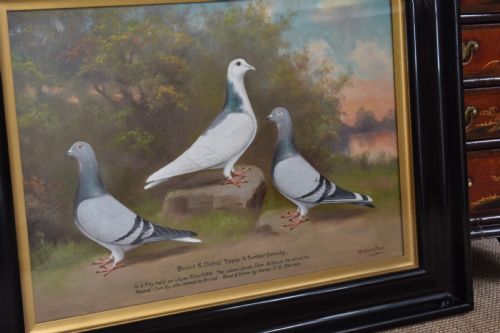
Vintage art on board brings the immediacy of direct pigment and support into a room, offering everything from mid-century coastal scenes to nineteenth-century animal portraits.
Vintage Art on Board
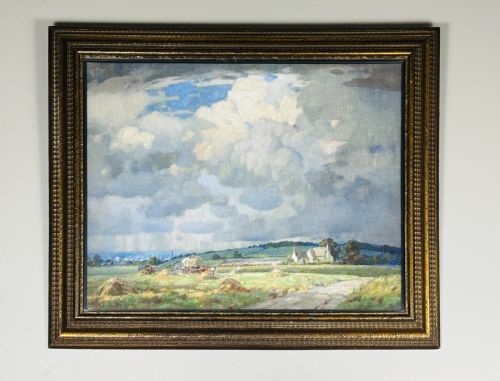
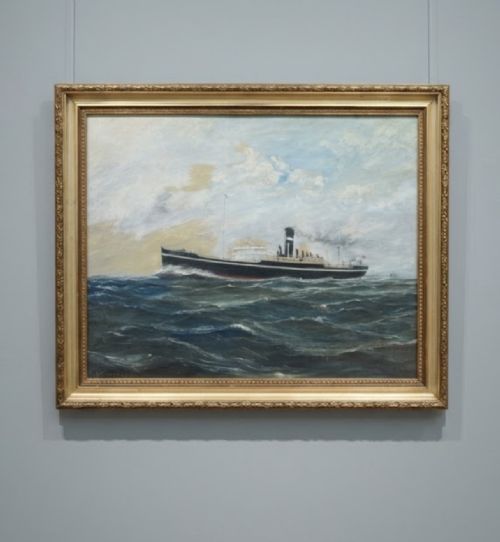
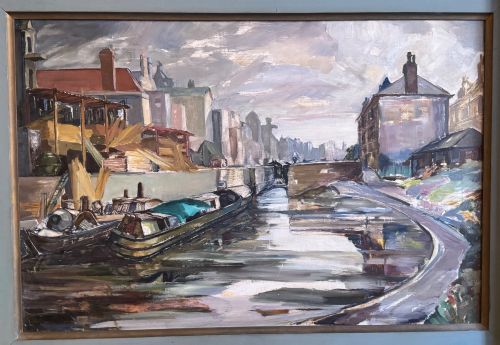
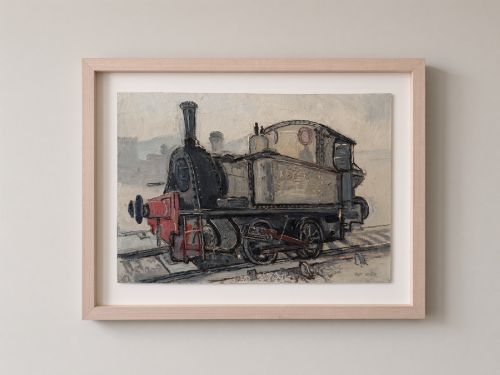
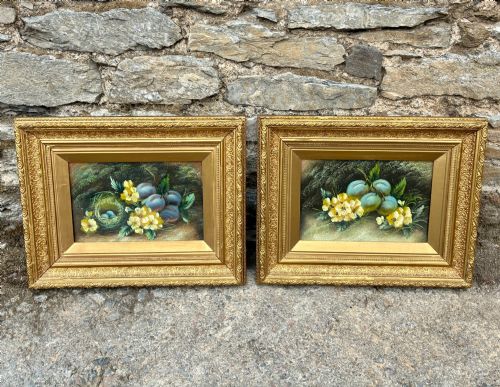
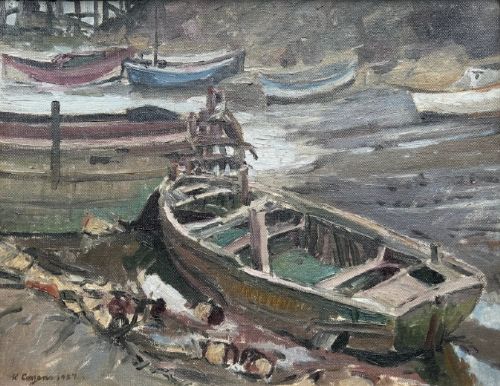
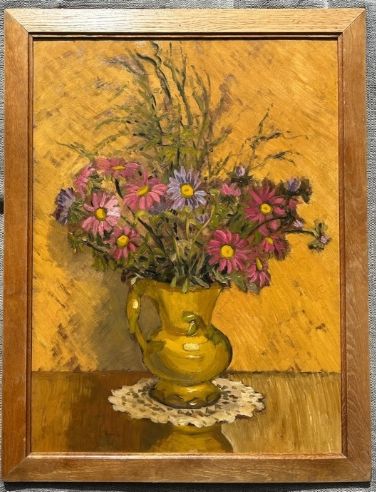
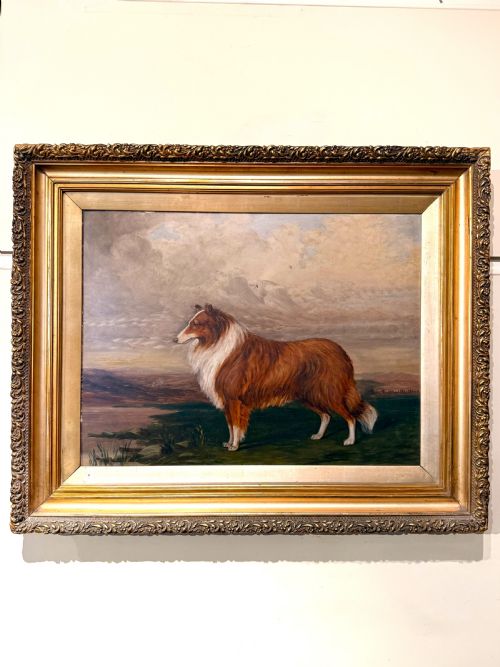
Vintage art on board encompasses paintings executed on rigid surfaces rather than stretched canvas, spanning periods from the nineteenth century through to the mid-twentieth century. The selection ranges from industrial northern townscapes and maritime views to floral still lifes and intimate canine portraits.
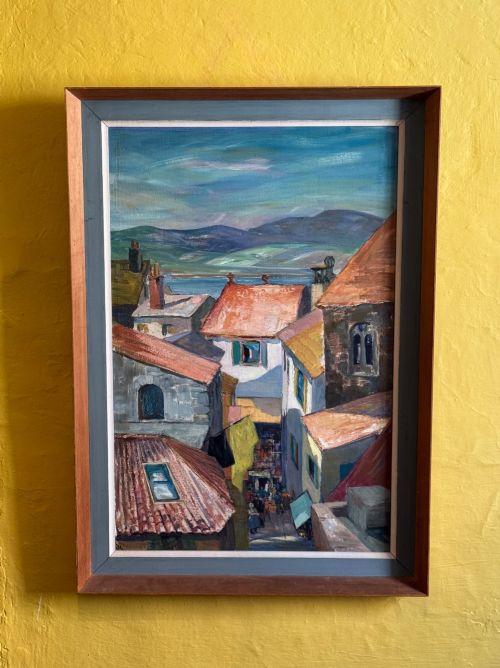
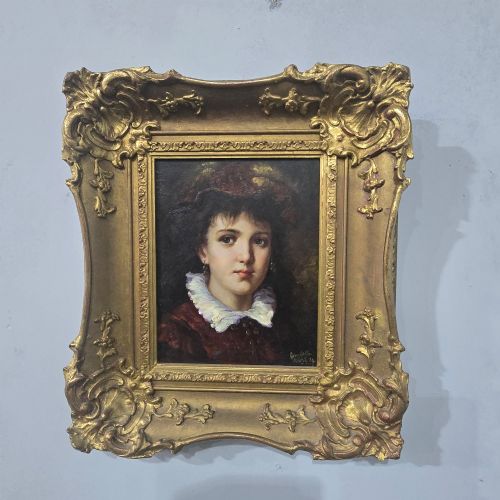
Buyers frequently encounter mid-century modernist compositions alongside Edwardian and Victorian works, often housed within their original wood or gilt frames. These pieces reflect diverse stylistic movements including Post-Impressionism, Modern British, and Arts and Crafts traditions.
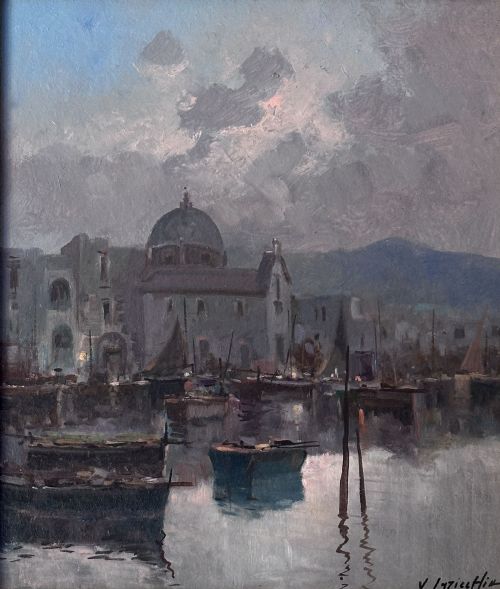
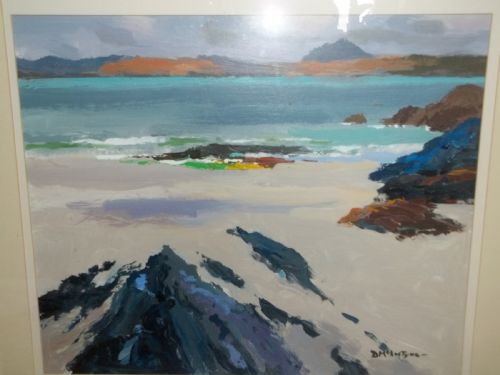
Subjects vary widely from quiet French seascapes and Italian ports to local canals and churchyards, demonstrating the versatility of board as a durable painting medium. The format lent itself readily to plein air painting and quick impressionistic studies by both named artists and competent regional painters.
How these works were constructed
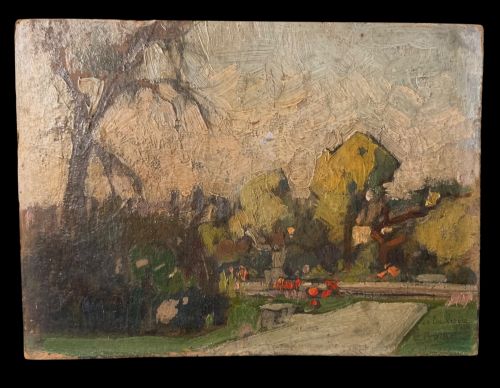
Artists painted directly onto rigid supports such as wood panels, heavy card, or prepared board, sometimes applying a ground layer to stabilise the surface before working in oil paint. Impasto techniques appear frequently in mid-twentieth-century examples, building up thick texture with visible brushstrokes.
Many works incorporate oil paint combined with heavy opaque gouache or impasto, secured within wooden frames that often show period characteristics such as gilt detailing or painted finishes.
Vintage Art on Board Retail Price Guide 2026
Typical asking prices for vintage art on board among the pieces listed under this phrase on Sellingantiques today, from the lower quarter to the upper quarter. They describe what is for sale here now, not the wider market.
Listings span periods from the nineteenth century through the 1960s, executed primarily in oil paint upon wood and board.
What distinguishes finer examples
Quality rests upon the confidence of the brushwork and the artist's command of light and atmosphere within a restricted surface area. Finer works display purposeful composition and assured handling of pigment, whereas lesser examples rely on formulaic execution and static perspective.
The integrity of the board support and the preservation of the original paint layer without significant retouched areas determine the desirability of a piece. Original framing that complements the period and aesthetic of the painting adds further substance to the object.
Andrew Beer·Evelyn Harris·Fred Yates·Donald McIntyre·Kenneth Cozens·Kershaw Schofield·W.D. Almond·Charles Houben·Christine Nesbit·Stuart Walton·Lilian Colbourn·Florence Adelina Hess·Philip Rideout·George Morland·Joan Gillchrest·James Fry
The Vintage Art on Board Glossary
- Oil on board
- A painting technique where oil-based pigments are applied directly to a rigid wooden or composite panel rather than a woven canvas.
- Impasto
- Paint applied thickly to a surface, standing out in relief from the board so that the physical texture of the brush or palette knife remains visible.
- Post-Impressionism
- An art movement developing from the late nineteenth century that rejected naturalistic depiction in favour of expressive use of colour and form.
- Plein air
- The act of painting outdoors, capturing natural light and atmosphere directly onto the board in a single session or ongoing observation.
Vintage Art on Board: Frequently Asked Questions
What is art on board?
Art on board refers to paintings created directly onto rigid surfaces like wood or heavy card rather than stretched fabric. This format provides a stable, firm ground that artists have utilised for centuries.
These pieces range from casual plein air studies to finished gallery works framed in wood or gilt. The rigid support prevents the sagging associated with aged canvas.
How do I care for these paintings?
Keep painted boards away from direct sunlight, high humidity, and rapid temperature fluctuations to prevent the wood or card from warping. Display them in stable indoor environments.
Dust the surface and frame gently with a soft, dry brush without applying liquid cleaners directly to the paint or unsealed board.
Are these works usually framed?
Many pieces retain their original frames, which can range from simple wooden mouldings to ornate gilt surrounds suited to the period. The frame often helps date the artwork and protects the edges of the board.
Some buyers prefer to source alternative framing, though period frames contribute to the historical character of mid-century and nineteenth-century works.
How can I tell the age of a piece?
Dating relies on stylistic clues, the type of board material used, signatures, and framing methods. Mid-century works often display modernist palettes and brushwork.
Examining the reverse of the board can reveal old labels, dealer stamps, inscriptions, or exhibition markers that help establish when the painting was made.