
Vintage Art Glass
These vintage art glass pieces bring colour and texture into a room, combining decorative craft with practical function.
Vintage Art Glass
Vintage art glass encompasses decorative vessels, lighting components, and tableware produced across the late nineteenth and mid-twentieth centuries. These items reflect distinct design movements, including Art Nouveau, Art Deco, and the Arts and Crafts period.
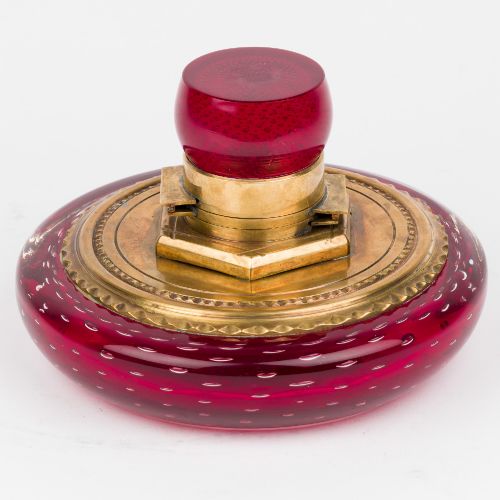
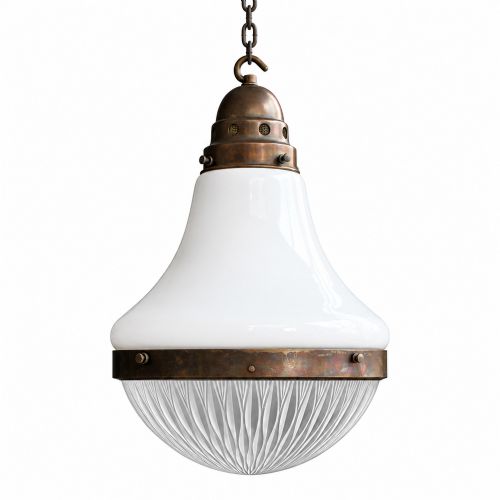
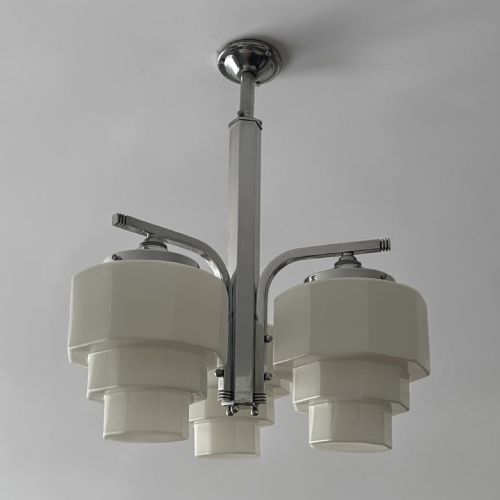
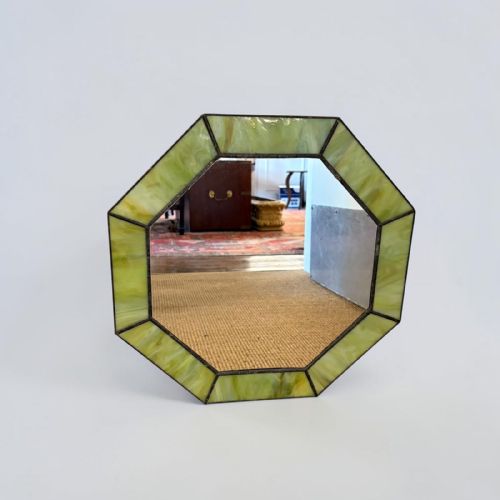
Buyers will encounter specific forms ranging from iridescent vases and wine glasses to ceiling lights, inkwells, and bowls. The selection draws on manufacture from the 1880s through to the 1950s, highlighting diverse European glassmaking traditions.
How they were made
Makers utilised traditional hot-glass techniques, moulding and blowing lead glass and frosted glass to achieve intricate decorative effects. Acid-etching, pate de verre, and specialised chemical treatments created distinct surface textures and visual depth.
Specialised decorative styles such as straw papillon decors, vaseline colouring, and uranium inclusions required precise temperature control during firing. Workshops combined moulded glass bodies with fitted metal components in brass, chrome, and silver.
Listings feature glass pieces spanning the Victorian, Edwardian, Art Nouveau, Art Deco, and mid-twentieth century periods.
What varies in quality
The standard of an item rests on the complexity of its glass formulation and the precision of its decorative finish. Pieces featuring specialist multi-colour effects or complex moulded reliefs demand higher levels of glassmaking skill.
Attribution to documented makers and specific period design workshops elevates the standing of individual pieces. The clarity of the glass, the depth of any iridescence, and the crispness of the mould all distinguish superior examples.
Charles Schneider·Whitefriars·Loetz·Degué·Argy Rousseau·Rene Lalique
The Vintage Art Glass Glossary
- Plafonnier
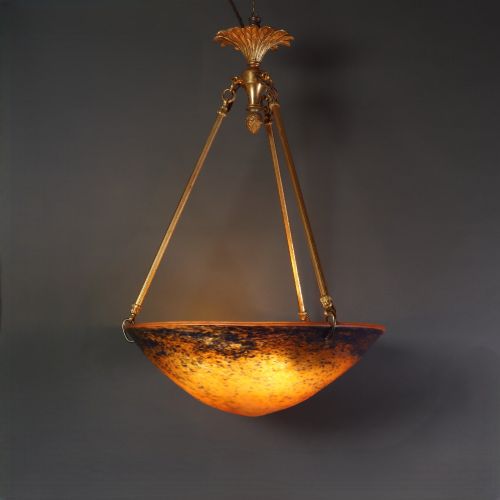
- A ceiling-mounted bowl light fixture made of glass. These direct illumination upwards or diffuse it evenly across a room.
- Pate de verre
- A glasscasting method where finely crushed glass is mixed with a binder and fired in a kiln. This technique creates a dense, frosted material with subtle colour shading.
- Vaseline glass
- Glass containing uranium dioxide that produces a distinct yellow-green tint. It glows brightly under ultraviolet light.
- Iridescent glass
- Glass treated with metallic salts while hot to create a shimmering, rainbow-like surface sheen. This finish imitates the natural weathering of ancient buried glass.
Vintage Art Glass: Frequently Asked Questions
How do I clean vintage art glass?
Wash the glass gently in warm water using a mild, non-abrasive detergent. Avoid harsh chemicals or scouring pads that might damage surface iridescence or delicate enamelling.
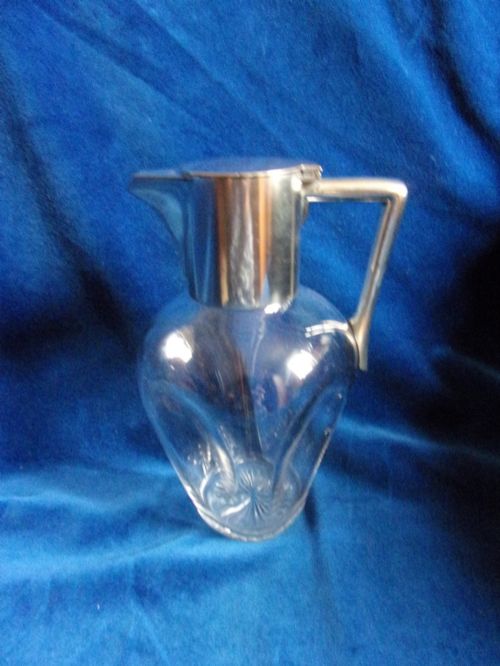
Dry each piece thoroughly with a soft cloth to prevent water spots. Take extra care with items featuring mounted metal or silver elements to keep moisture away from the joins.
How can I tell the period of a glass piece?
Examine the overall design style, noting whether it aligns with Art Nouveau curves or Art Deco geometric forms. Maker marks, signatures etched into the glass, and manufacturing techniques also help establish the era.
Compare the glass colour and weight with documented examples from specific decades. Pieces produced around 1900 often display organic iridescent finishes, while 1930s items frequently utilise frosted or clear moulded designs.
Where should I display art glass?
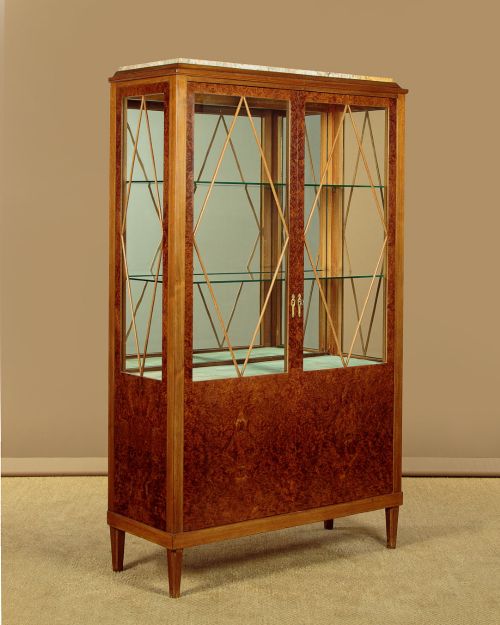
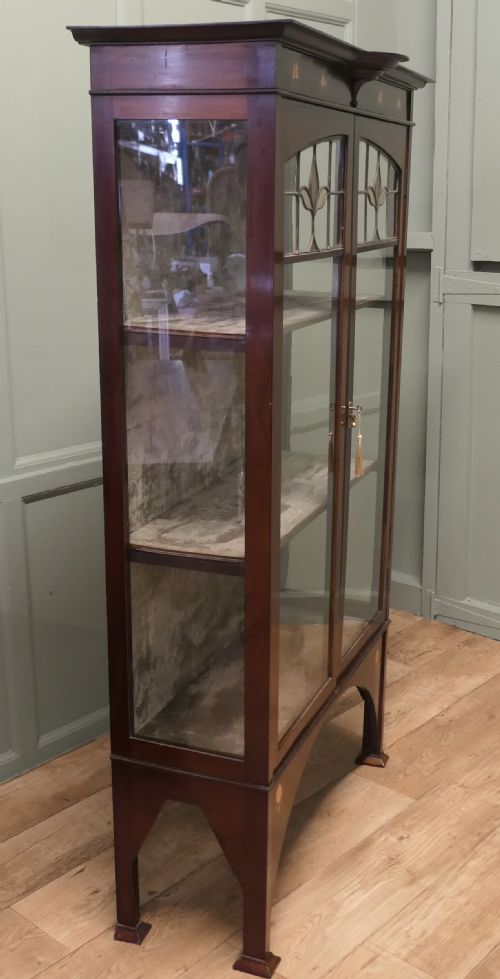
Place items where natural light can pass through the glass to highlight colour variations and internal textures. Display cabinets with glass shelves provide a secure enclosure while allowing all-round visibility.
Keep pieces away from direct, prolonged sunlight if the colours are sensitive, and ensure they sit on stable surfaces away from high-traffic areas.
Are these glass items suitable for daily use?
Many items such as bowls, decanters, and wine glasses were designed for functional service. However, older decorative vases and delicate lighting fixtures are better suited for display purposes.
Check each piece for structural integrity before use, treating fragile historical objects with appropriate care during handling.