


Vintage Art Deco
Vintage art deco pieces bring geometric clarity and rich materials into modern rooms through lighting, furniture, and jewellery.
Vintage Art Deco
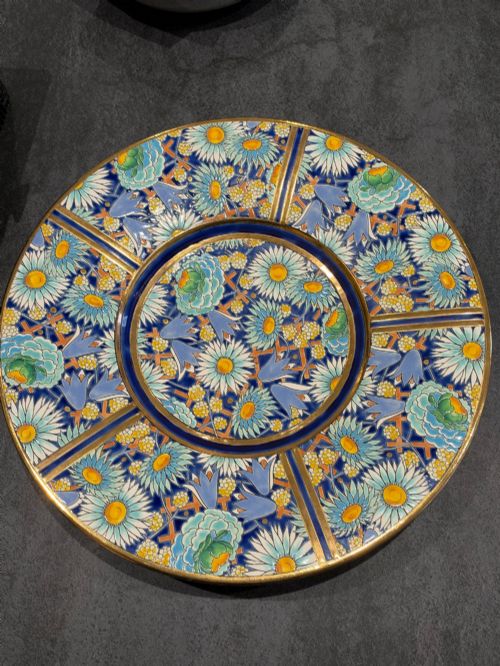
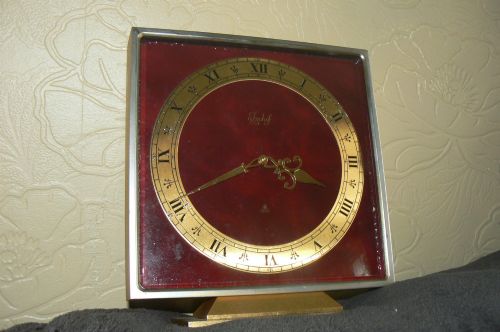
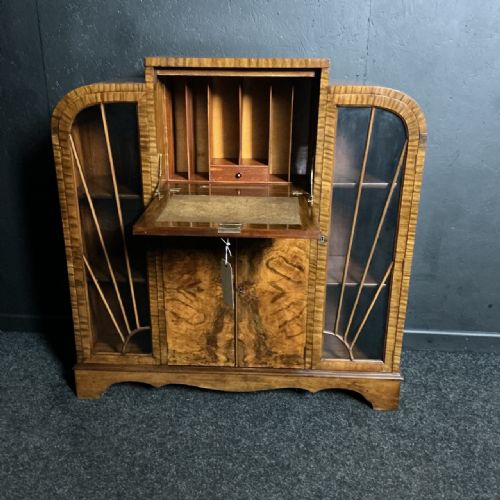
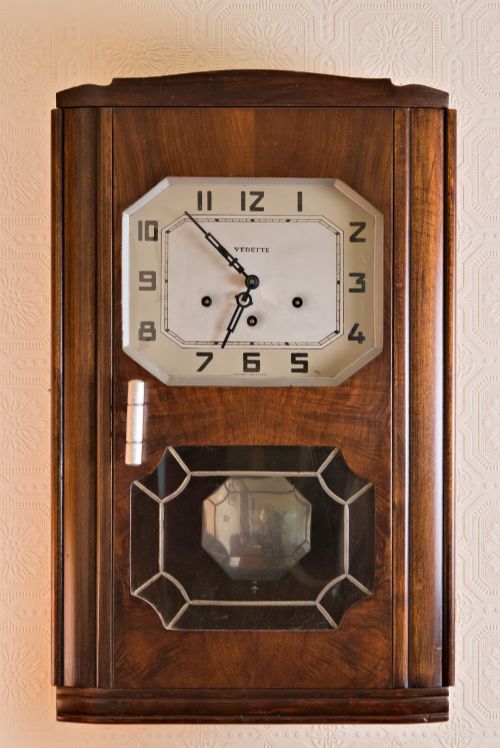
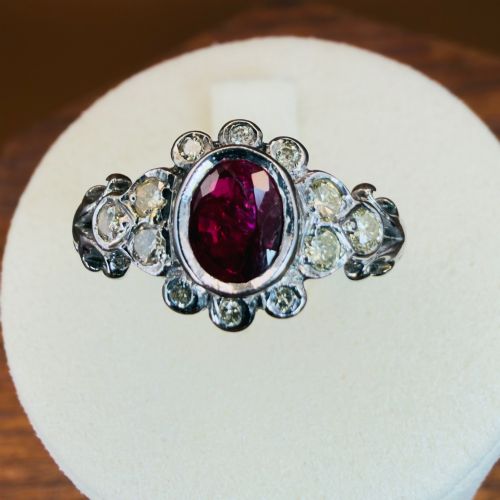
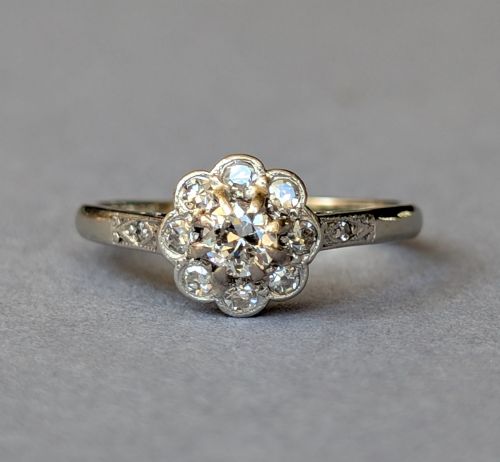
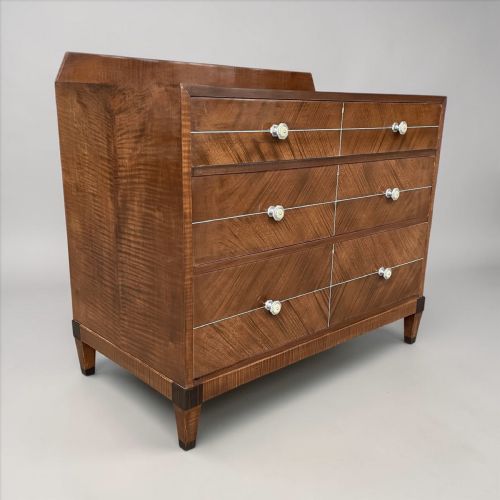
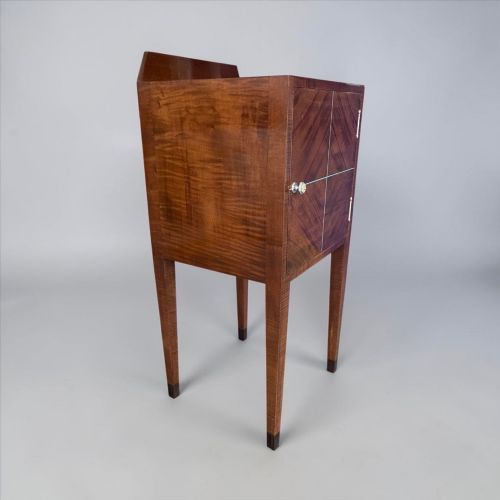
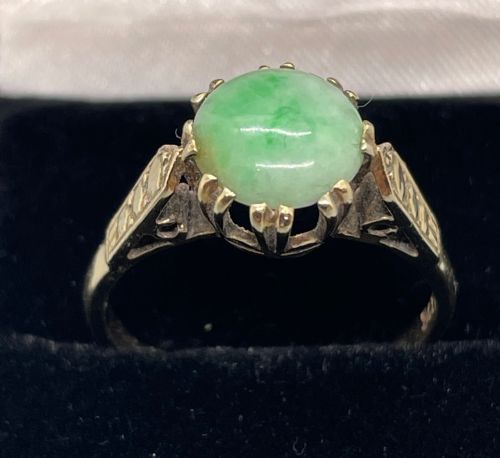
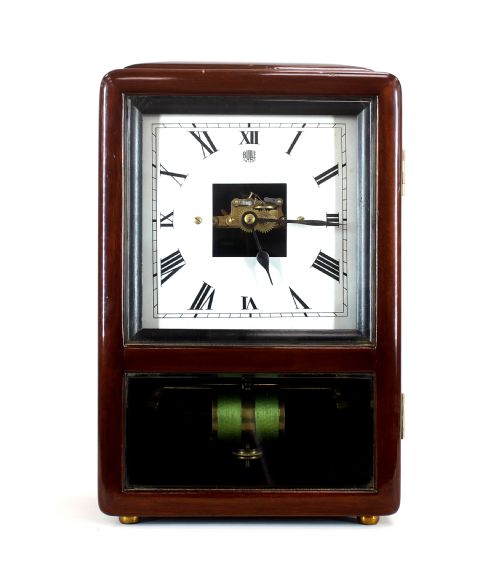
When you search for vintage art deco, you encounter a distinct mix of items spanning jewellery, lighting, and furniture from the early decades of the twentieth century. The selection ranges from intricate diamond cluster rings mounted in platinum and white gold to utilitarian desks, wardrobes, and bedside tables in figured walnut and oak.
You are most likely to meet rings set with old cut diamonds and sapphires alongside French and Italian lighting fixtures or storage pieces. The forms draw on specific regional expressions including Swedish Grace and French styles, spanning periods from the nineteen-teens through to the nineteen-fifties.
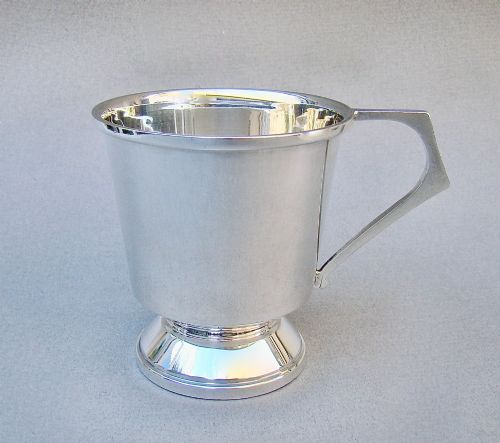
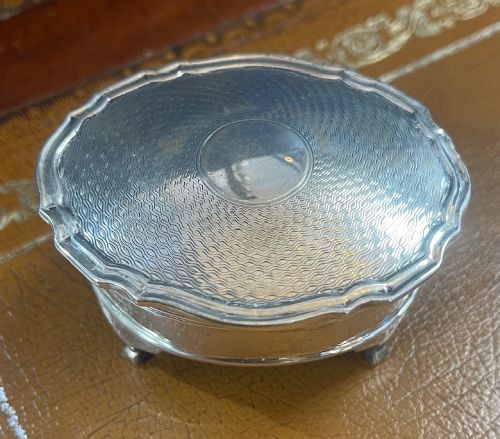
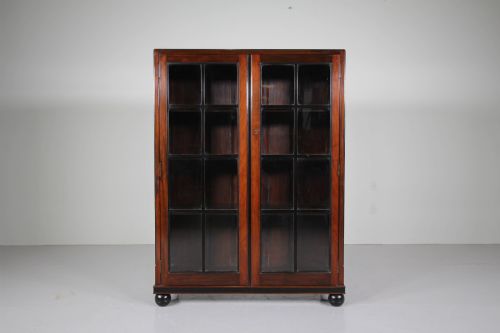
The category encompasses both decorative household items such as silver tea strainers and wine coolers, and substantial case pieces like bookcases and dressing tables with mirrors. Each item reflects the design priorities of the interwar period, balancing functional utility with striking geometric motifs.
How they were made
Makers utilised precious metals such as platinum, white gold, and sterling silver to mount diamonds, sapphires, and glass in rings and decorative items. These metallic elements provide the bright, durable framework necessary for intricate stone settings and polished surfaces.
Cabinetmakers and designers worked with walnut, satin birch, and oak, frequently incorporating glass, chrome, and velvet to achieve textural contrast in desks, wardrobes, and lamps. Metal components also involve brass and wrought iron, shaped into wall lights and adjustable fixtures.
Techniques range from precision stone cutting in jewellery to cold painting on bronze desk accessories and silver working for flasks and cocktail sticks. Artisans combined traditional carpentry with contemporary industrial materials to produce the characteristic lines of the era.
Vintage Art Deco Retail Price Guide 2026
Typical asking prices for vintage art deco among the pieces listed under this phrase on Sellingantiques today, from the lower quarter to the upper quarter. They describe what is for sale here now, not the wider market.
Listings include precious materials like diamond, platinum, sapphire, and sterling silver alongside woods such as walnut, satin birch, and oak.
What varies in quality
Quality in jewellery is determined by the cut and carat weight of the diamonds and sapphires, alongside the purity and integrity of the platinum or gold settings. Finer examples display superior stone selection and secure mounting that preserves the balance of cluster and navette designs.
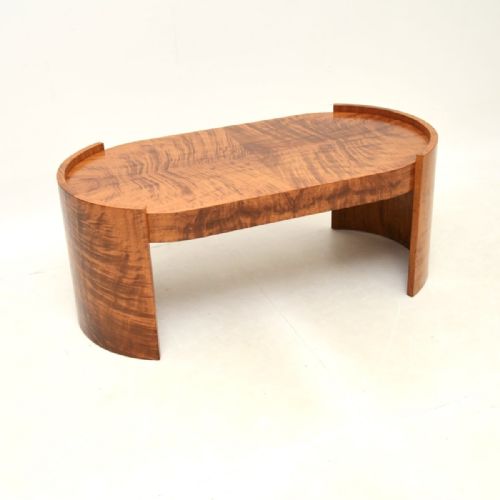
In furniture and larger objects, distinction lies in the choice of timber veneer, such as figured walnut or satin birch, and the precision of the construction. Superior pieces maintain structural soundness while showcasing deliberate grain matching and complementary details like chrome or glass.
Bath Cabinet Makers·Christofle·Luc Lanel·Rene Lalique
The Vintage Art Deco Glossary
- Old Cut Diamond
- A diamond cut popular in earlier periods featuring a smaller table and a higher crown, producing distinctive light dispersion compared to modern stones.
- Navette
- A boat-shaped ring setting that tapers to points at either end, often filled with multiple smaller diamonds and sapphires.
- Trilogy Ring
- A ring set with three principal stones, traditionally symbolising the past, present, and future.
- Satin Birch
- A pale hardwood with a characteristic sheen utilised by Scandinavian makers for cabinets and bedside tables.
- Albert Watch Chain
- A heavy link chain designed to secure a pocket watch, frequently worn as a necklace in shorter lengths.
Vintage Art Deco: Frequently Asked Questions
What defines art deco jewellery?
Art deco jewellery relies on geometric symmetry, platinum or white gold settings, and contrasting gemstones like diamonds and sapphires.
Pieces often feature structured cluster, navette, or trilogy arrangements that showcase old cut stones.
How do I identify a piece from this era?
Look for characteristic materials such as figured walnut, platinum, chrome, and coloured glass combined with clean, angular lines.
Items frequently date from the nineteen-twenties and thirties, spanning furnishings, lighting, and silver accessories.
Are these items suitable for daily use?
Many items, including desks, bedside tables, and solid link watch chains, were designed with practical utility in mind.
Jewellery and decorative silver require appropriate care to preserve delicate settings and polished metallic finishes.
Where were these objects made?
The selection includes pieces originating from British workshops, French studios, and Italian or Swedish designers.
Regional preferences emerge through distinct timber choices like satin birch and specific stylistic variants like Swedish Grace.