


Vintage Art Deco Figure
A vintage art deco figure captures the kinetic energy and stylised forms of the interwar years, offering a striking focal point for a room.
Vintage Art Deco Figure
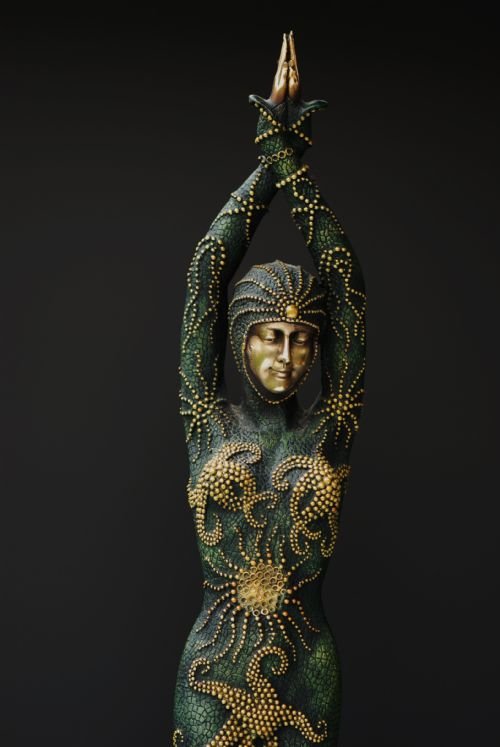
When you search for a vintage art deco figure, you encounter depictions of dancers, animals, and human forms shaped by the aesthetic of the 1920s and 1930s. These pieces manifest as standalone sculptures, lamp bases, and bookends designed to reflect motion and modernity.
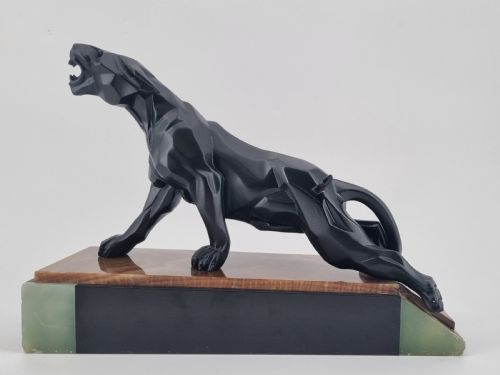
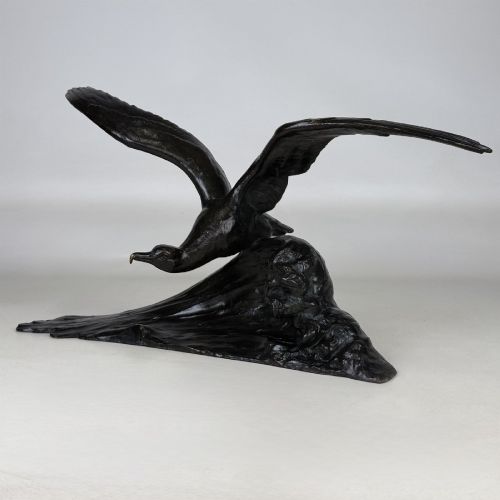
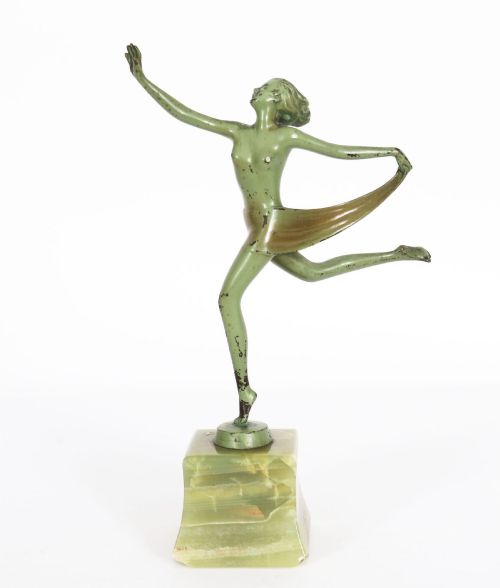
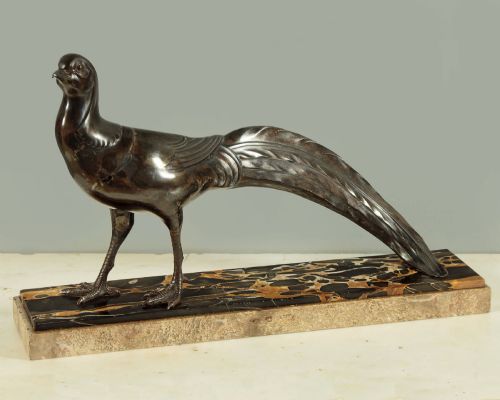
The versions most frequently met on this page are cast metal figures of dancers and hounds, often mounted upon contrasting stone plinths. Sculptures and figurines dominate the offerings, spanning the decades from the Edwardian transition through to the 1940s.
Materials and methods of construction
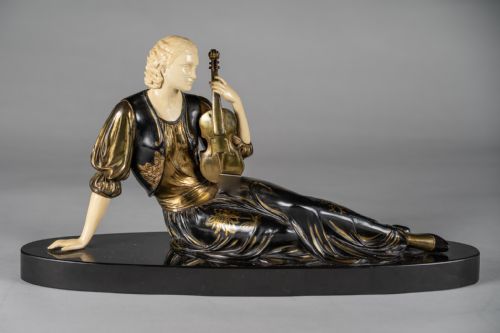
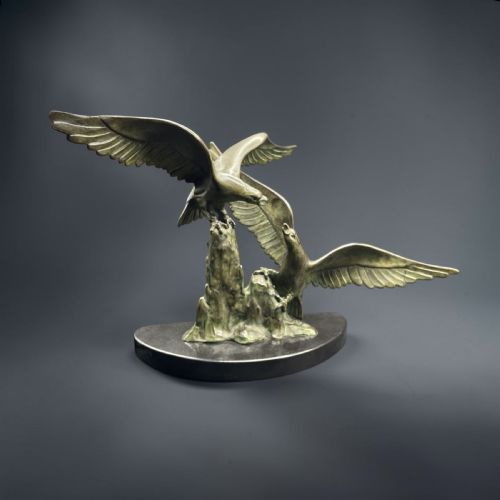
Makers utilised a range of metals including bronze, silvered bronze, and spelter for the primary forms, frequently employing cold painting or gilt finishes. These metal casts were then mounted securely onto substantial bases carved from marble or onyx.
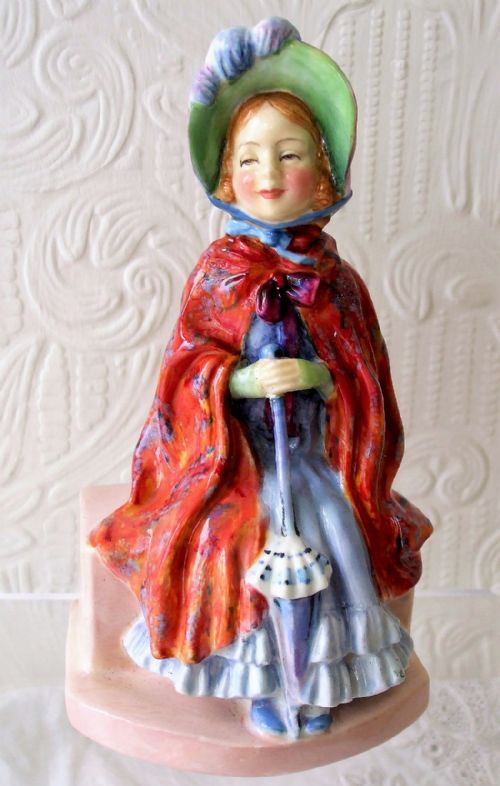
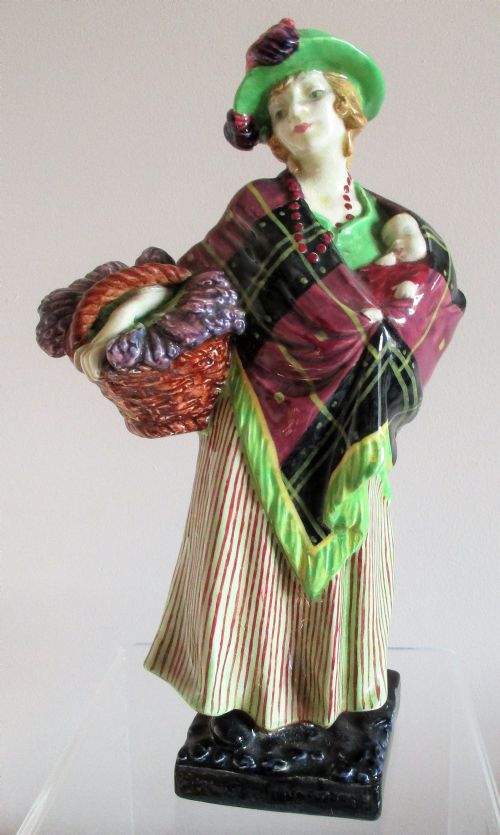
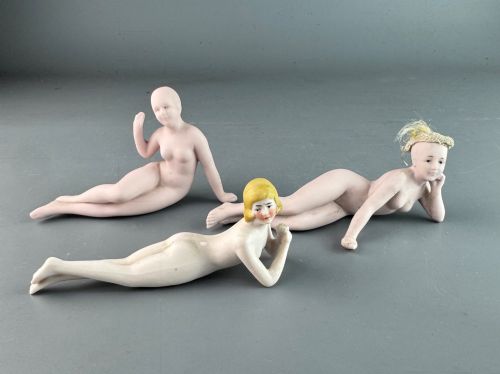
Alternative materials recorded in the listings include carved alabaster, moulded glass, and porcelain. The combination of tactile stone with metallic or ceramic figures defines the physical presence of these pieces.
Vintage Art Deco Figure Retail Price Guide 2026
Typical asking prices for vintage art deco figure among the pieces listed under this phrase on Sellingantiques today, from the lower quarter to the upper quarter. They describe what is for sale here now, not the wider market.
Cold-painted bronze Scottie dogs keep watch over desktop paperclips and pens.
Distinctions in quality
Material selection also dictates the grade of the piece, with dense marbles and genuine bronze commanding greater appreciation than lighter spelter and substitute stones.
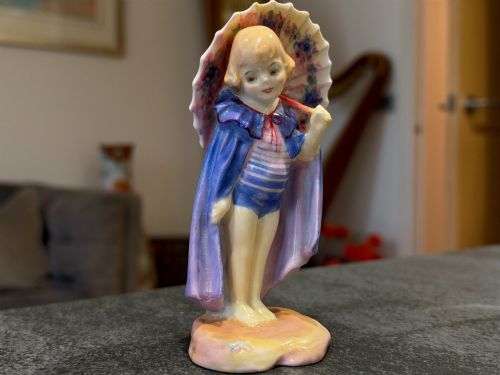
Georges Gori·D.H. Chiparus·Bruno Zach·Pierre Collinet·Maurice Giraud-Rivière·Josef Lorenzl·Rene Lalique·Lavroff·Royal Doulton
The Vintage Art Deco Figure Glossary
- Spelter
- A zinc alloy commonly utilised as a less costly alternative to bronze for figurative casts during the period. It takes patination well but requires gentle handling.
- Onyx
- A banded variety of chalcedony frequently shaped into heavy, polished bases for figurines and desk lamps. Its natural striations provide visual contrast to metalwork.
- Alabaster
- A fine-grained mineral stone carved to create translucent sculptural elements. It captures light softly, making it suitable for figures associated with illumination.
Vintage Art Deco Figure: Frequently Asked Questions
How do I identify a spelter figure from bronze?
Spelter is a softer zinc alloy that tends to feel lighter and can show a greyish metal beneath worn paint.
Bronze offers a heavier weight and develops a distinct, deep metallic patina over time.
Where were these figures placed originally?
They served as decorative ornaments on desks, side tables, and mantelpieces in interwar interiors.
Many incorporated functional elements such as lamp fittings, bookends, or desk tidies.
How should I clean my art deco figure?
Dust the surfaces gently with a soft, dry cloth to prevent accumulation without disturbing the finish.
Avoid liquid cleaners and harsh abrasives, particularly on cold-painted metal or porous alabaster.