

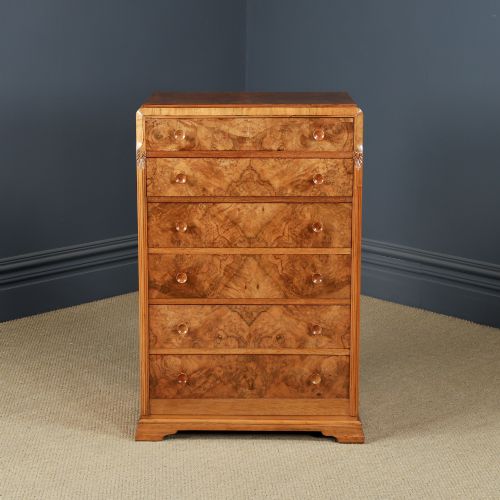
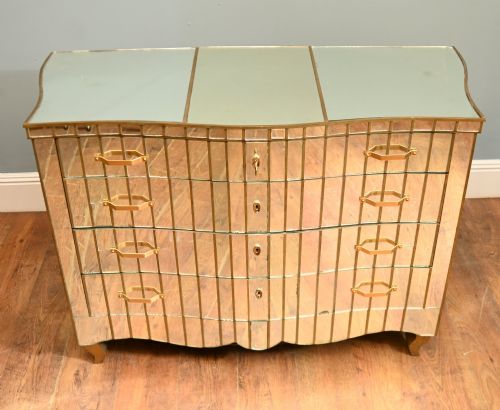
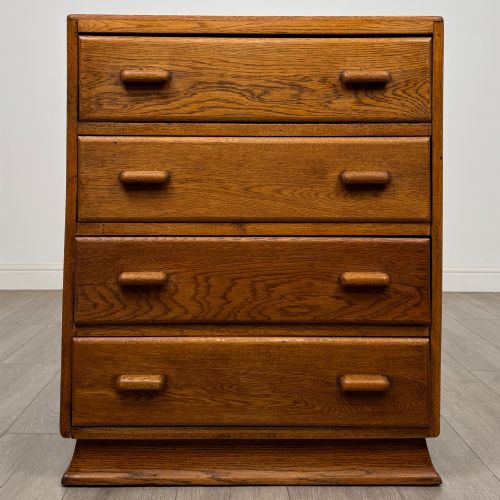
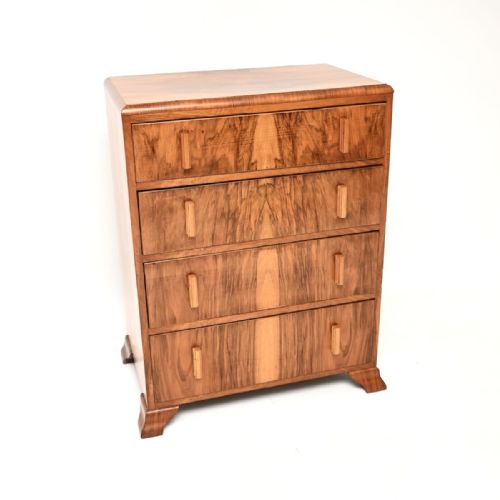
Vintage Art Deco Drawers
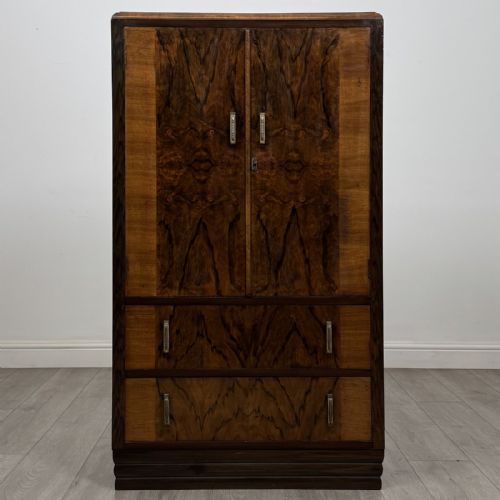
These vintage art deco drawers bring geometric lines and figured veneers into a room, offering practical storage with strong period character.
Vintage Art Deco Drawers
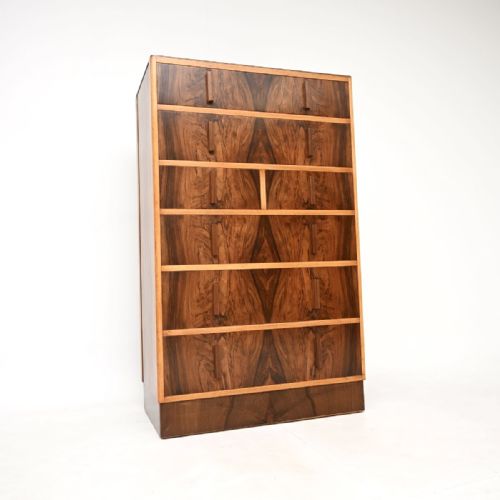
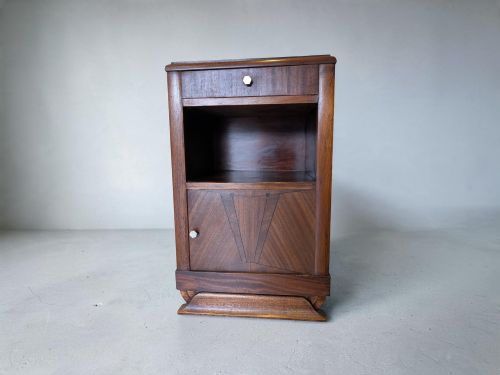
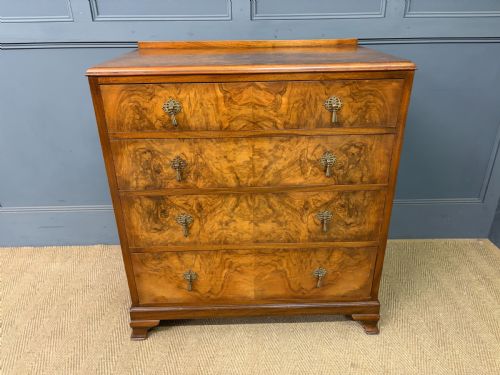
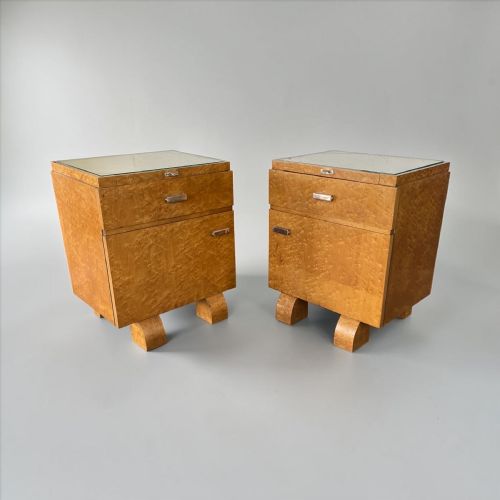
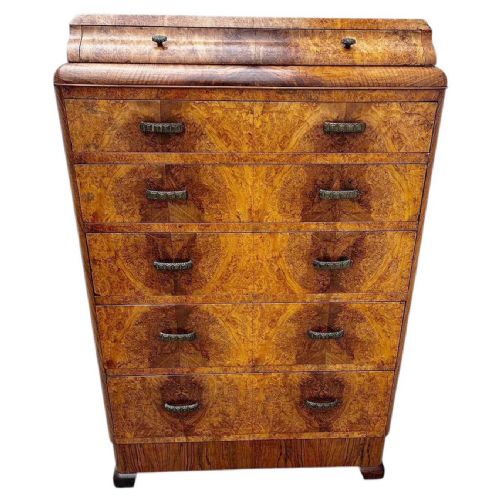
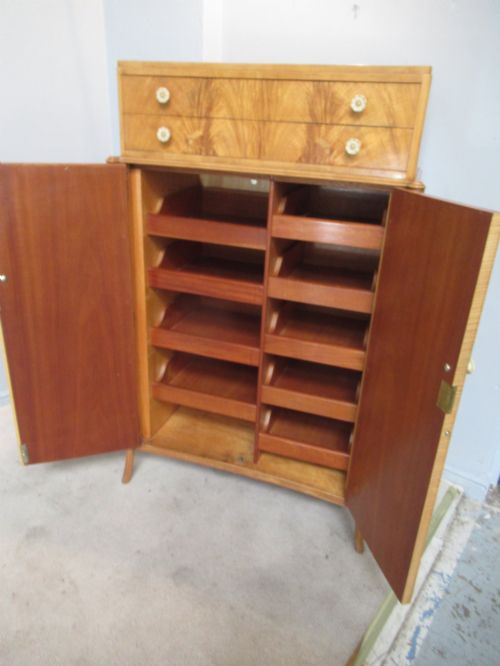
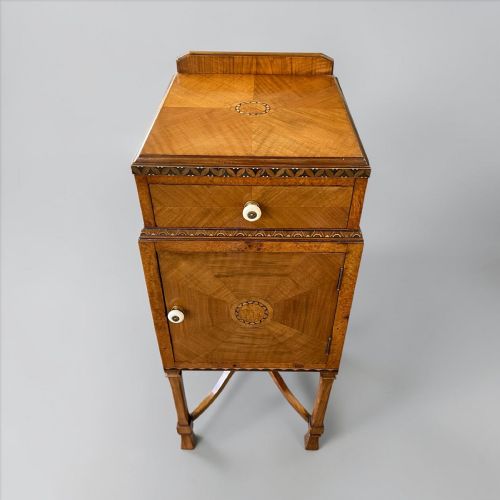
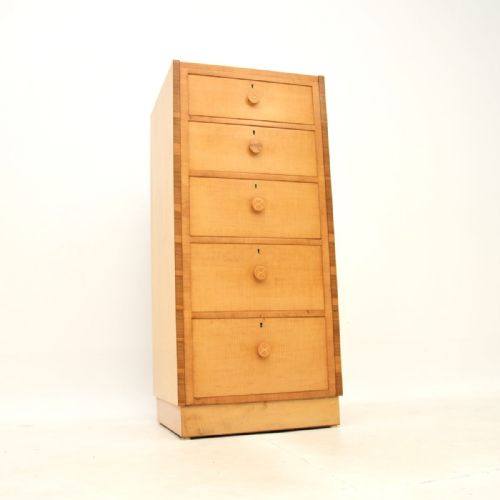
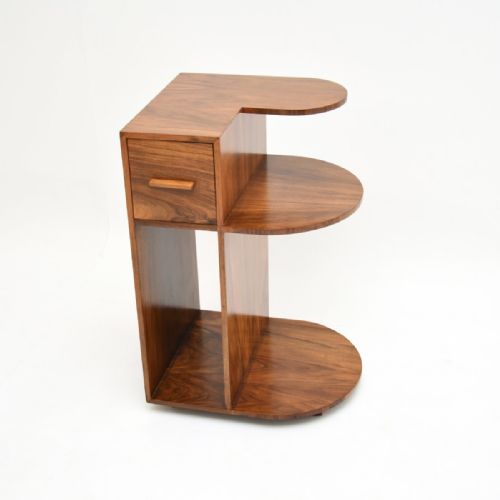
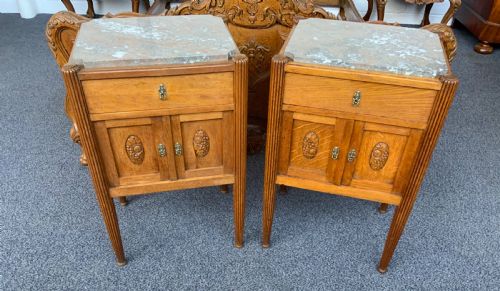
When you search for vintage art deco drawers, you encounter storage forms built mostly during the nineteen thirties, alongside pieces from the nineteen twenties and adjacent decades. The selection centres on chests of drawers, tallboys and bedside tables, with occasional desks, console tables and haberdashery counters appearing in the mix.
The dominant aesthetic draws upon the art deco style, often paired with french art deco variations, georgian revival touches and modernist influences. Walnut, burr walnut and oak appear frequently as the primary woods, accompanied by maple, sycamore, satinwood, mahogany, fruitwood and ebonised timber.
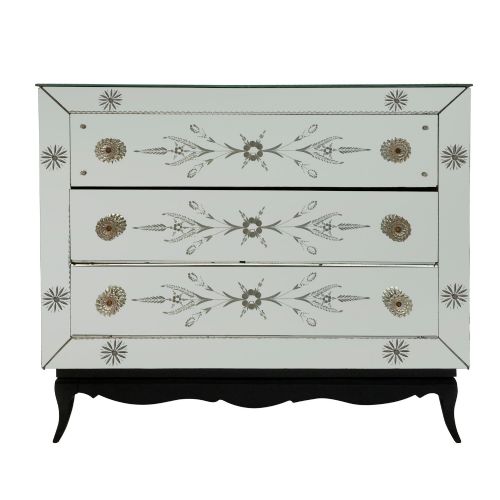
Chests range from compact bedside cabinets to tall six-drawer and seven-drawer units, incorporating mirrored surfaces and original wooden or metal handles. Pieces originate from english and continental workshops, reflecting the broader design shifts of the interwar period.
How they were made
Cabinet makers utilised solid timbers like oak and mahogany for structural frames while applying figured walnut, burr walnut, blonde walnut, bird's eye maple and satinwood as veneers to display striking grain patterns. Surface treatment relies on French polishing or clear varnishing to highlight the natural figures in the wood.
Metal elements play a functional and decorative role, with brass and chrome appearing on handles, drawer pulls and trim details. Drawer construction typically involves traditional dovetailing designed to handle daily use within domestic and commercial settings.
Vintage Art Deco Drawers Retail Price Guide 2026
Typical asking prices for vintage art deco drawers among the pieces listed under this phrase on Sellingantiques today, from the lower quarter to the upper quarter. They describe what is for sale here now, not the wider market.
Materials recorded across the selection include walnut, burr walnut, oak, satinwood, sycamore, mahogany, fruitwood, brass, chrome, metal and wood.
What varies in quality
The distinction between standard production and top-tier execution rests upon the choice of veneer and the symmetry of its grain matching across drawer fronts. Figured and burr walnut, pale sycamore and bird's eye maple demand precise cutting to create harmonious geometric layouts.
Hardware integrity and internal joinery separate utilitarian items from fine cabinet work. Solid brass or chrome fittings, smooth-sliding drawers and maker signatures indicate higher workshop standards during construction.
Hille·Dudley & Co·Frank Taylor & Co·Fortnum and Mason·Maurice Adams
The Vintage Art Deco Drawers Glossary
- Burr walnut
- A prized veneer taken from the growth excrescences on walnut trees, yielding intricate, swirling grain patterns. It forms the primary decorative surface on many high-end cabinets.
- Tallboy
- A tall chest of drawers, often combining a wardrobe section or multiple smaller drawers stacked above larger ones. This vertical format provides generous storage within a compact footprint.
- Commode
- A low chest of drawers or cabinet originating from French furniture design. In this context, it often denotes decorative French art deco pieces with mirrored or ebonised finishes.
- Haberdashery counter
- A utility cabinet featuring many shallow drawers, originally designed for shop displays and textile storage. These pieces utilise oak and glass compartments for practical sorting.
- Bedside table
- A small standalone cabinet or table positioned beside a bed, frequently found as matching pairs in this selection. They provide surface space and enclosed drawer storage.
Vintage Art Deco Drawers: Frequently Asked Questions
How do I identify art deco drawers?
Look for symmetrical geometric patterns, stepped outlines, and contrasting wood veneers such as burr walnut or bird's eye maple. Chrome and brass accents frequently finish the design.
Check for period construction methods, including traditional dovetail joints on the drawers and original wooden or metal handles that match the era's aesthetic.
Are bedside tables sold in pairs?
Many bedside cabinets and tables in this selection do indeed appear as matching pairs, though single tables also occur. Pairs are particularly sought after for balanced bedroom layouts.
Review the specific listing details to confirm whether a bedside unit is offered individually or as part of a matching pair.
What woods were used most often?
Walnut and oak dominate the material palette, with burr walnut utilised specifically for its decorative grain. Lighter woods like sycamore, satinwood and maple also feature prominently in blonde finishes.
Secondary materials include mahogany and fruitwood, often paired with metal handles made from brass or chrome.
How do I care for veneered furniture?
Maintain the polished wooden surfaces by dusting gently with a soft, dry cloth and avoiding silicone-based polishes. Keep veneered pieces away from direct sunlight and strong heat sources to prevent the wood from drying out.
Ensure stable room humidity levels to protect the delicate walnut and maple veneers from lifting or cracking over time.