


Vintage Army Helmet
A vintage army helmet carries the weight of history in its steel, brass, and boiled leather.
Vintage Army Helmet
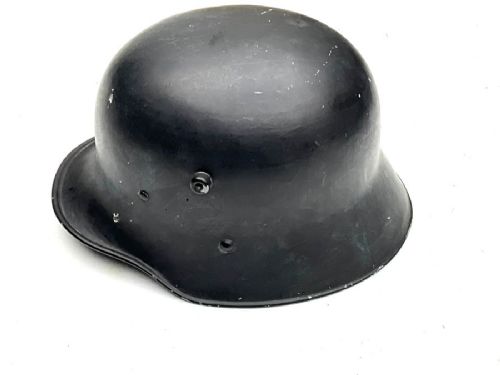
When you search for a vintage army helmet, you encounter historic military headgear spanning the Victorian era through the First World War. The selection centres heavily on Imperial German pieces, alongside British and Swedish regimental examples.
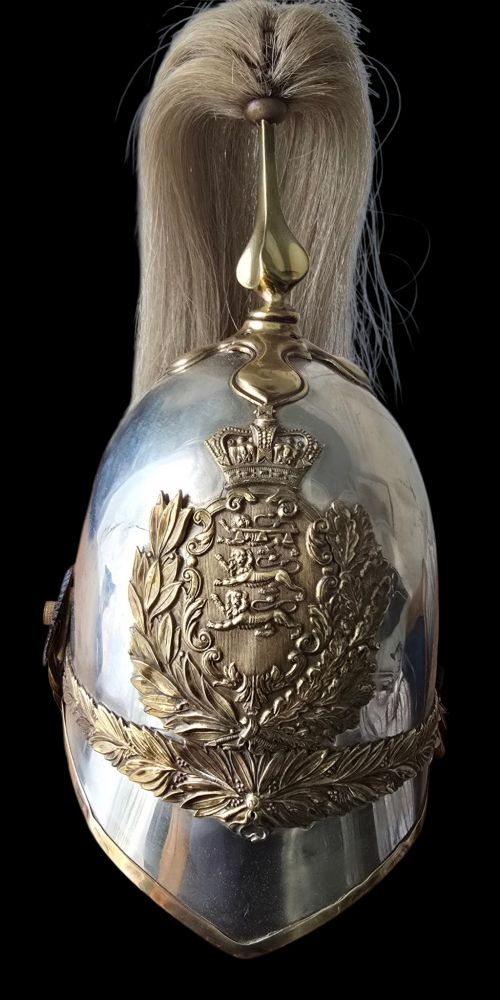
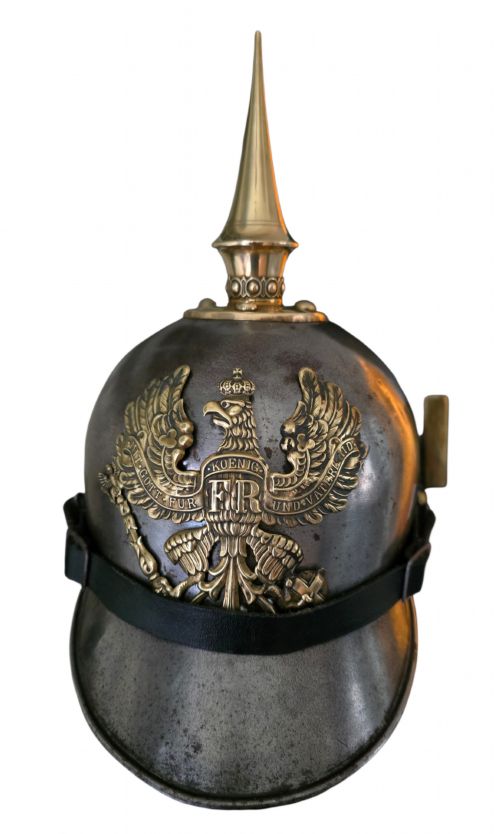
Most pieces on this page take the form of traditional Pickelhaube helmets or officers' cavalry helmets featuring distinctive metal fittings and plumes. These items date from the late nineteenth century up to the early twentieth century.
Collectors seek these military helmets for their striking design and tangible connection to historical campaigns. The examples available range from enlisted men's boiled leather service pieces to elaborate officers' parade wear.
How they were made
The construction of a vintage army helmet relies heavily on durable boiled leather or robust steel bodies formed to withstand military service. Makers shaped these foundation materials carefully before attaching protective and decorative elements.
Brass, white metal, and gilt metal components provide the distinctive trim, spikes, and chin scales seen across the inventory. Horsehair plumes add height and distinction to specific cavalry and officer configurations.
Listings feature periods from the Victorian era through to First World War Imperial German and Swedish military styles.
What varies in quality
Quality in a vintage army helmet lies in the original integrity of its metal fittings and the preservation of its leather body. Officer-grade specimens often display superior materials, including gilt metal and genuine horsehair, compared to standard soldier issues.
The precision with which spikes, plates, and cockades remain attached to the helmet shell determines the overall grade of the piece. Intact original paintwork and unblemished interiors separate standard surviving examples from exceptional collector specimens.
The Vintage Army Helmet Glossary
- Pickelhaube
- A spiked helmet worn by nineteenth and early twentieth-century German military and police forces. It is instantly recognisable by the prominent metal spike atop the leather or steel shell.
- Boiled leather
- A process where leather is soaked in hot water or wax to harden it into a rigid, protective form. This material served as the primary lightweight shell for many nineteenth-century helmets.
- Gilt metal
- Metal that has been treated with a thin layer of gold wash or gilding. Officers' helmets frequently utilised this finish on plates and fittings to denote rank.
- White metal
- An alloy of relatively low melting point metals used for military helmet hardware. It provided a bright, silver-like appearance without the high cost of solid silver.
- Horsehair plume
- A decorative attachment made from natural horsehair mounted to the top of cavalry helmets. These elements sway with movement during parades and ceremonial duties.
Vintage Army Helmet: Frequently Asked Questions
What periods do these helmets cover?
The available pieces primarily span the Victorian era through to the First World War. This includes dates ranging from the 1870s up to the early twentieth century.
Specific examples reflect late nineteenth-century regimental standards and early twentieth-century combat configurations from various European nations.
How do officers' helmets differ from soldiers'?
Officers' helmets typically incorporate finer materials such as gilt metal fittings and horsehair plumes. They reflect private purchase standards rather than mass-issued government gear.
Enlisted men's helmets focus strictly on utilitarian durability, utilising simpler boiled leather and brass components suited for active field service.
What materials make up these helmets?
The primary structural materials are boiled leather and steel, providing rigid protection for the wearer. These shells are combined with brass, white metal, and gilt metal trim.
Organic additions like horsehair feature prominently on specific cavalry and parade variations to create height and visual distinction.
How do I display a vintage helmet?
Displaying these pieces requires a stable, padded mount that supports the internal leather liner without putting stress on the seams. Keep them away from direct sunlight to preserve the original paint and leather.
Stable room temperatures prevent the historic leather and horsehair from drying out or degrading over time.