

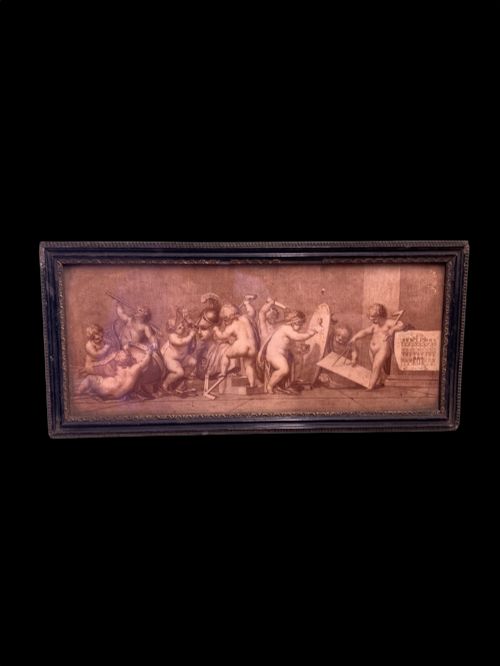


Vintage Architectural Print
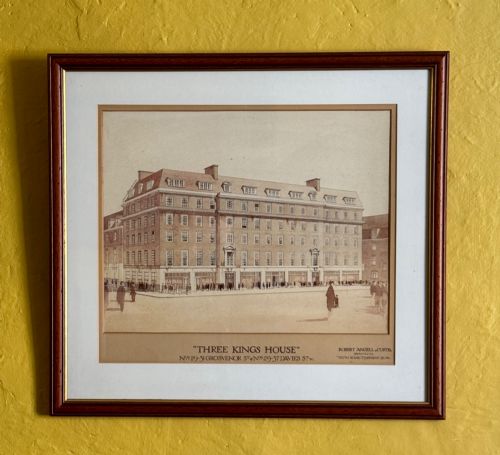
A vintage architectural print brings the precise geometry of classical façades, temples, and grand urban vistas directly onto the wall.
Vintage Architectural Print
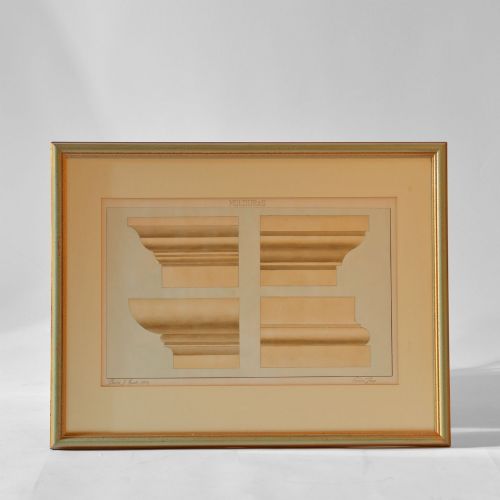
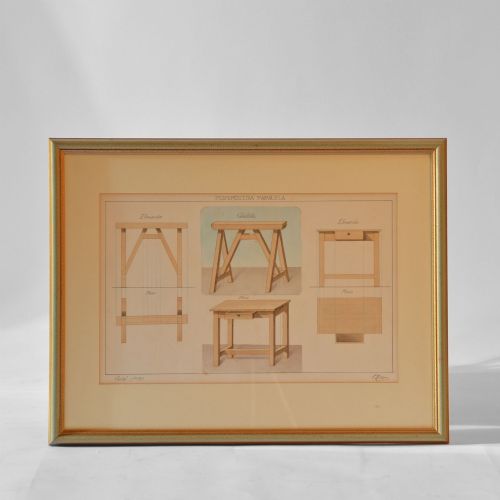
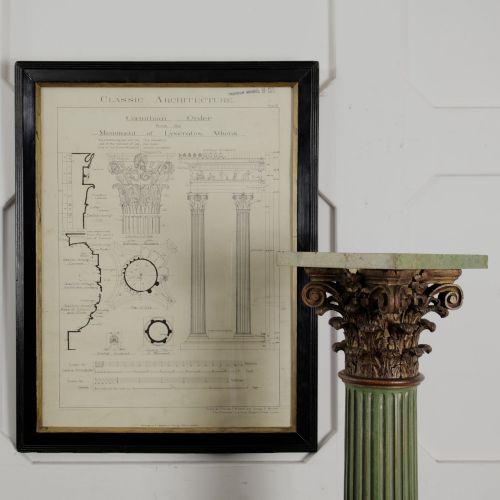
A vintage architectural print captures the built environment through detailed line work, elevation drawings, and structural studies. These pieces document grand historical buildings, archaeological sites, and classical orders from periods spanning the eighteenth century to the mid twentieth century.
The selections available here lean heavily toward nineteenth-century engravings and early twentieth-century lithographs. Buyers encounter everything from large folio plates of ancient temples to framed plans and hand-coloured elevations.
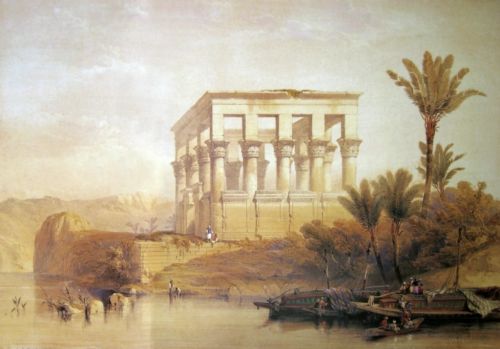
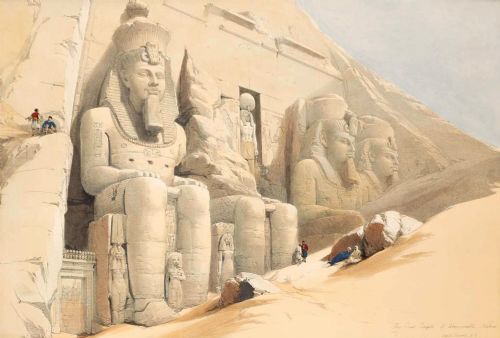
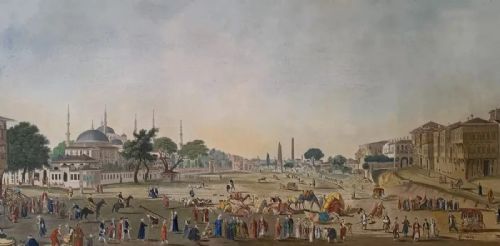
Subjects range from British collegiate architecture and London landmarks to sweeping Orientalist views of distant capitals and classical Italian facades.
How They Were Made
These works rely primarily on paper supports treated with ink, etching, engraving, or lithography to capture fine structural lines. Many plates receive additional depth through watercolour or gold leaf applied by hand.
Framing materials reflect the traditional presentation of the piece, utilising wood, gilt wood, or maple alongside glass protection. Original Hogarth frames frequently house eighteenth and nineteenth-century impressions.
Vintage Architectural Print Retail Price Guide 2026
Typical asking prices for vintage architectural print among the pieces listed under this phrase on Sellingantiques today, from the lower quarter to the upper quarter. They describe what is for sale here now, not the wider market.
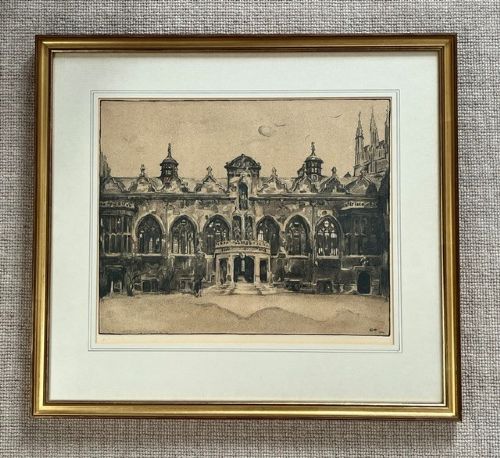
One school drawing records the ambitious architectural dreams of a seventeen-year-old student named H.H. Wyatt in the nineteenth century.
What Varies in Quality
The distinction between tiers rests upon the crispness of the impression and the fidelity of the plate work. Sharp, clear lines demonstrate a fresh matrix, whereas blurred or muddy impressions indicate a worn plate.
Secondary media application also determines standing, as careful hand-colouring or watercolour additions elevate a standard print into a skilled individual work.
Sir William Nicholson·David Roberts·Anton Ignaz Melling·Francesco Piranesi·Otto Pilny
The Vintage Architectural Print Glossary
- Lithography
- A planographic printing process using a flat stone or metal plate on which image areas are receptive to ink and non-image areas are repellent. This technique allows for subtle tonal gradations and fluid lines.
- Engraving
- A printmaking method where an artist cuts lines directly into a metal plate using a sharp tool called a burin. The resulting impressions exhibit exceptional precision and durability under pressure.
- Etching
- A process where metal plates are coated with an acid-resistant ground and drawn through with a needle before being submerged in acid to bite the lines. It produces expressive, varied line weights reminiscent of freehand drawing.
- Drypoint
- A form of intaglio printmaking where the artist scratches directly into the metal plate with a hard steel point, raising a burr that holds ink. This creates characteristic soft, velvety lines.
- Neoclassical
- A style drawing inspiration from the classical art and architecture of ancient Greece and Rome. It emphasises symmetry, proportion, and restrained ornamentation.
Vintage Architectural Print: Frequently Asked Questions
How do I date an architectural print?
Dating relies on examining the paper stock, printing technique, and stylistic markers inherent to the period. Watermarks, plate marks, and typography often provide definitive clues to the decade of production.
Contextual details within the depicted structure or publisher stamps located in the margins further narrow down the exact timeframe.
What is the difference between an engraving and a lithograph?
An engraving requires physically cutting lines into a hard plate to hold ink, resulting in sharp, precise linear details. Lithography relies on chemical repulsion between grease and water on a flat surface, producing softer, painterly tones.
Examining the ink under magnification reveals the recessed furrow of an engraving versus the flat deposit of a lithograph.
How should I frame and hang these prints?
Protect antique paper by utilising conservation-grade backing boards and window mounts that prevent direct contact with the glass. Keeping works away from direct sunlight preserves the stability of the ink and any added watercolour.
Grouping plates with similar tonal weights or matching nineteenth-century frames creates a cohesive display across a wall.
Are hand-coloured prints original?
Many historical prints received washes of watercolour either at the time of publication or later by professional colourists. This secondary application was standard practice for folio plates and architectural elevations.
Inspect the pigment under magnification to distinguish between original period hand-colouring and modern additions.