



Vintage Architectural Elements
Vintage architectural elements bring heavy timber and cast iron directly into modern rooms, offering genuine historical weight.
Vintage Architectural Elements
Vintage architectural elements comprise salvaged timber carvings, ironwork and plaster mouldings taken from buildings across several centuries. These pieces range from seventeenth century oak carvings to late nineteenth century overdoor pediments and decorative brackets.
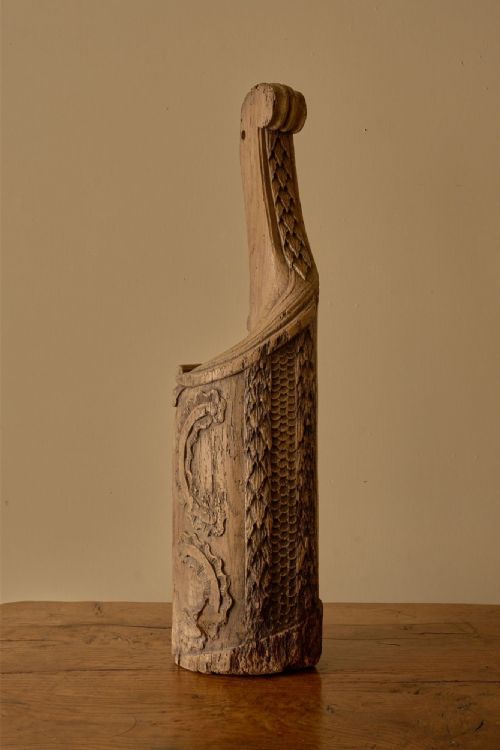
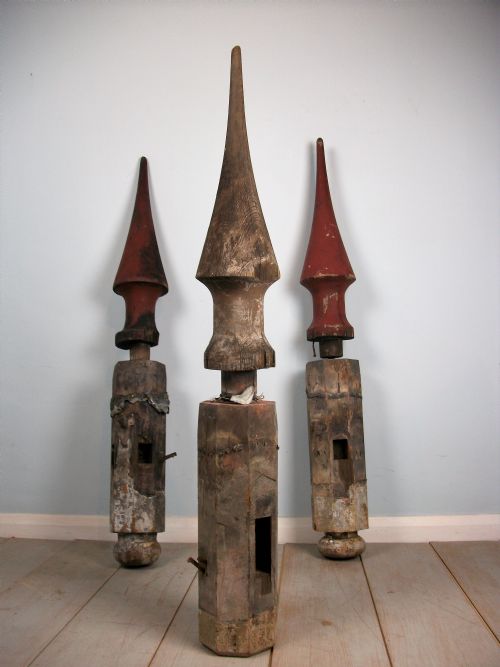
Buyers meet objects designed for structural or decorative roles in older buildings, including ceiling boss panels, newel posts, and staircase finials. French château spire finials and Indian roof decorations appear alongside traditional Georgian and Gothic Revival items.
The selection centres on solid timber and metal fragments that once detailed walls, roofs, and staircases. Pieces span the seventeenth, eighteenth, and nineteenth centuries, reflecting diverse regional styles from French châteaux to traditional Indian architecture.
Materials and construction methods
Makers shaped these elements primarily from oak, walnut, timber, and stained hardwood using traditional hand carving techniques. Metal components utilise cast iron, zinc, and lead, often showing surface paint or natural weathering.
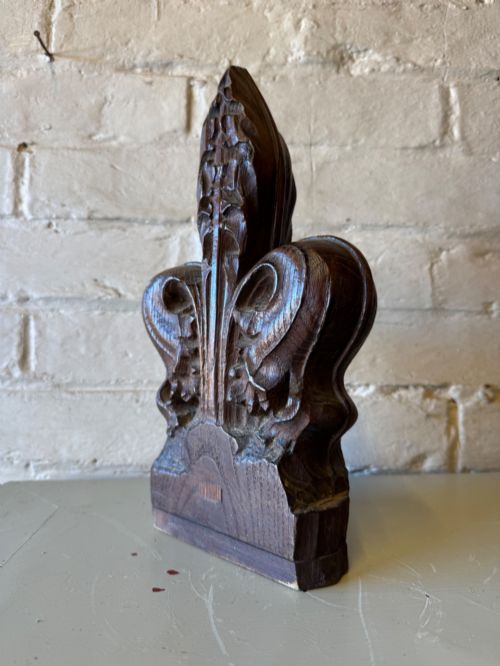
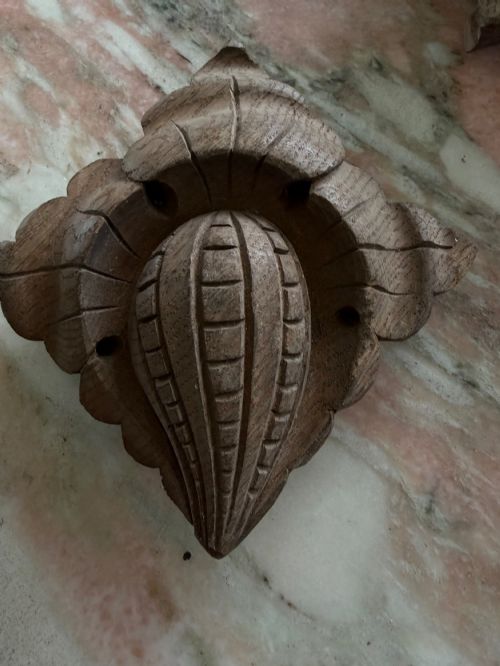
Carvers worked directly on solid wood to produce complex details like lion heads, poppy head finials, and ceiling roses. Plaster also appears in larger corbels, capturing modelled relief work intended for interior spaces.
Vintage Architectural Elements Retail Price Guide 2026
Typical asking prices for vintage architectural elements among the pieces listed under this phrase on Sellingantiques today, from the lower quarter to the upper quarter. They describe what is for sale here now, not the wider market.
A cast iron finial or a wooden lion head brings a silent sentinel from an old rooftop straight onto your mantelpiece.
Assessing quality in architectural salvage
Quality rests in the crispness of the hand carving and the depth of the relief work across wood and plaster. Items with strong sculptural presence, such as large lion heads or detailed French overdoor pediments, display superior artisan skill.
The integrity of the material and the preservation of original painted or aged surfaces dictate the character of each piece. Superior examples retain their original structural form and distinct period styling without losing the definition of their carved motifs.
The Vintage Architectural Elements Glossary
- Finial
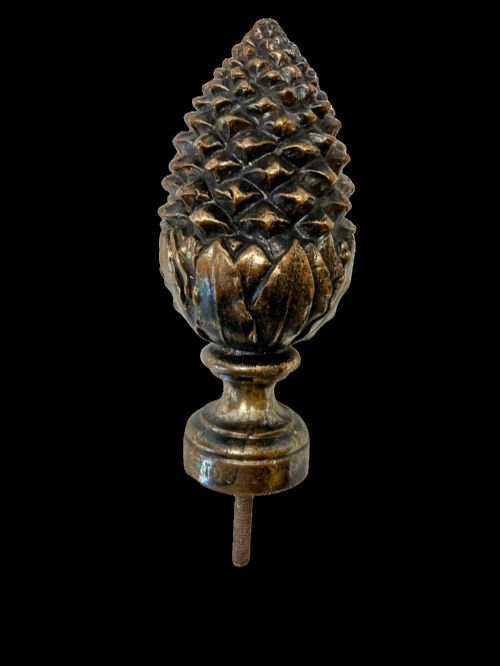
- A decorative ornament that terminates the peak of a roof, spire, or post. These are frequently cast in iron or carved from wood.
- Corbel
- A structural piece of stone, plaster, or wood projecting from a wall to support a weight. Examples include large French plaster pieces designed for interior support.
- Pediment
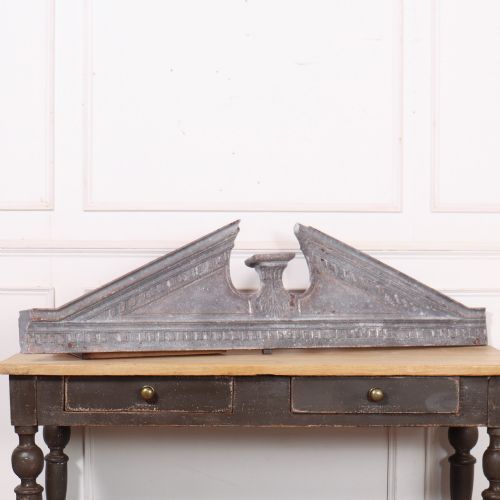
- A triangular or curved architectural gable above a door, window, or overdoor. Large examples shape the upper section of grand entryways.
- Ceiling Boss
- A decorative projecting block placed at the intersection of ribs in a ceiling. These carved wooden panels formed central points in historic rooms.
- Newel Post
- The central supporting post of a staircase around which the steps wind. Surviving historic examples often feature intricate hand carvings.
Vintage Architectural Elements: Frequently Asked Questions
What are vintage architectural elements?
These pieces are rescued fragments from older buildings, including carved timber panels, metal finials, and plaster corbels.
They represent structural and decorative components salvaged from centuries past, spanning various global traditions and design periods.
How were these items used originally?
Builders integrated them into the fabric of domestic and public structures as supports, ornamentation, and focal points.
Items decorated staircases, ceilings, rooftops, and doorways to display wealth and architectural refinement.
How do I live with architectural salvage?
Mount wooden carvings and plaster corbels directly onto walls as standalone sculptural artworks or integrate them above interior doorways.
Placing metal finials or timber posts on stable surfaces allows their historic texture and form to anchor a modern room.
How can I tell periods apart?
Seventeenth century pieces often show dense oak construction with early hand carving methods, such as poppy head finials.
Eighteenth and nineteenth century items introduce wider material use like zinc and cast iron alongside Neuropean and Indian stylistic influences.