
Vintage Dresser Chest
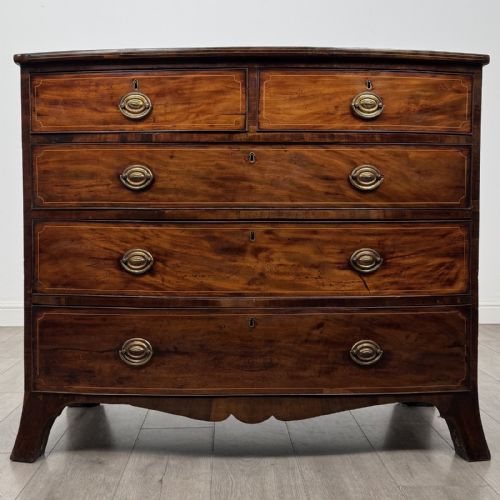
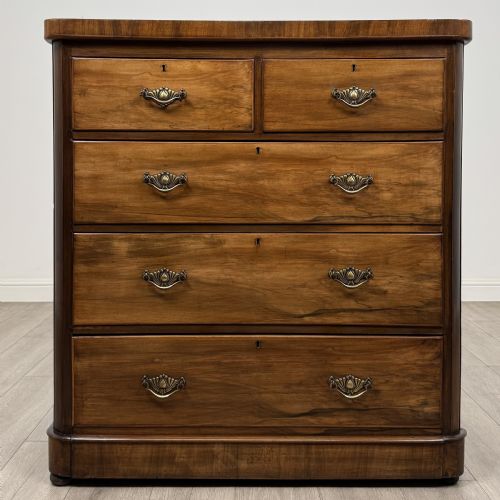
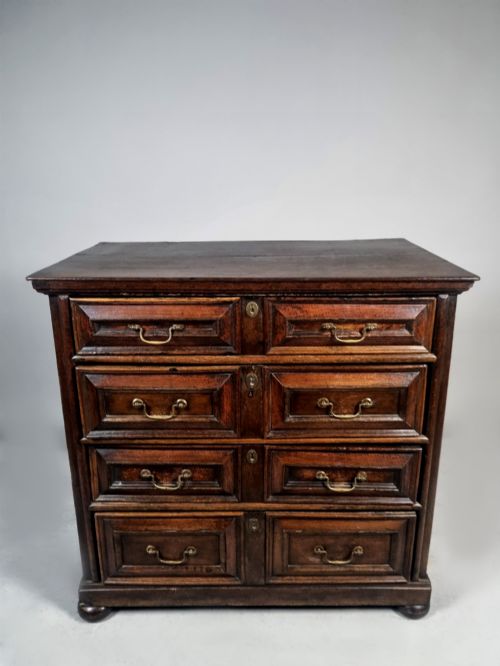
These vintage antique dresser chest examples span periods from Georgian to Art Deco, offering sturdy storage in mahogany, oak, and pine.
Vintage Dresser Chest
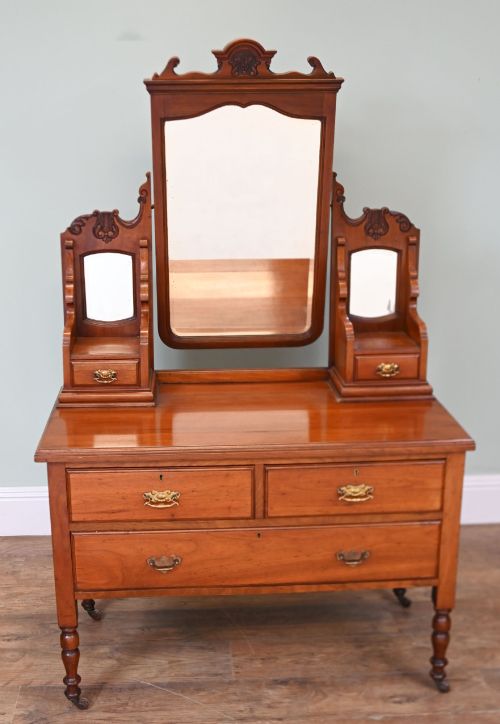
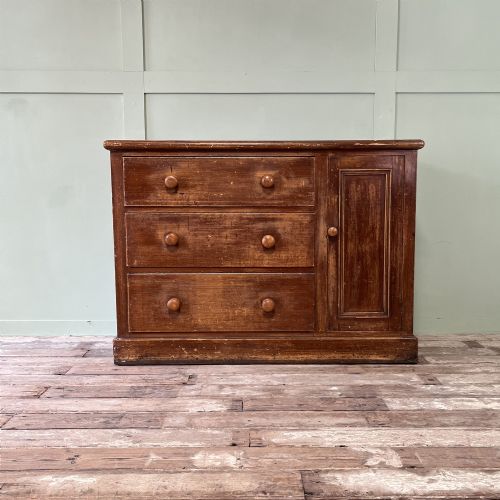
When buyers search for a vintage antique dresser chest, they encounter various forms including chests of drawers, bow fronts, and kitchen dressers. These items provide practical domestic storage originating from periods such as the Victorian era, the Edwardian period, and the Regency years.
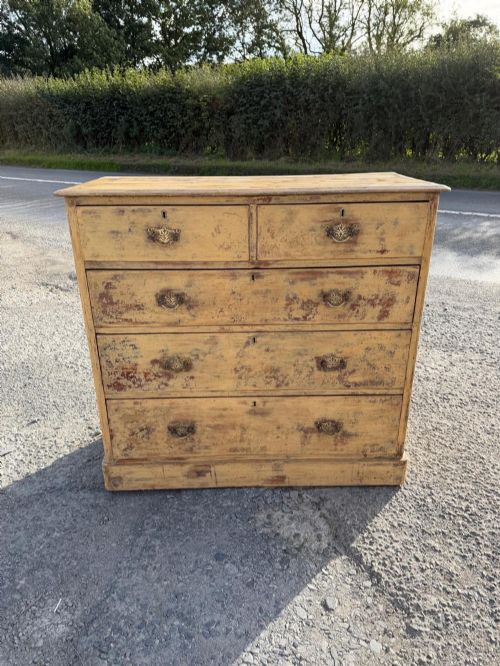
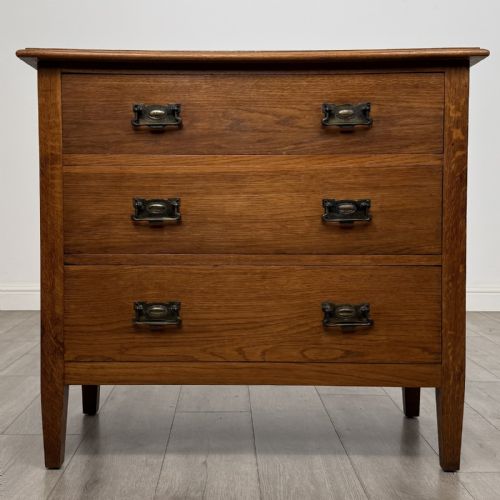
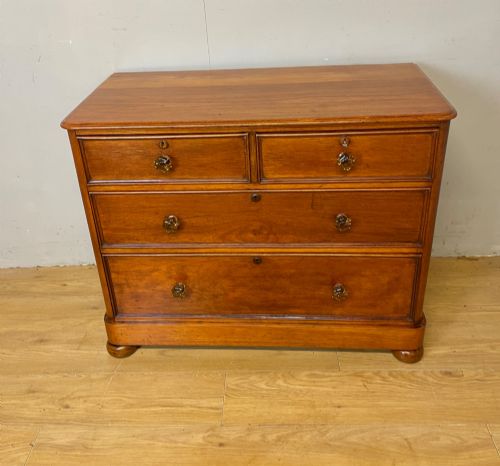
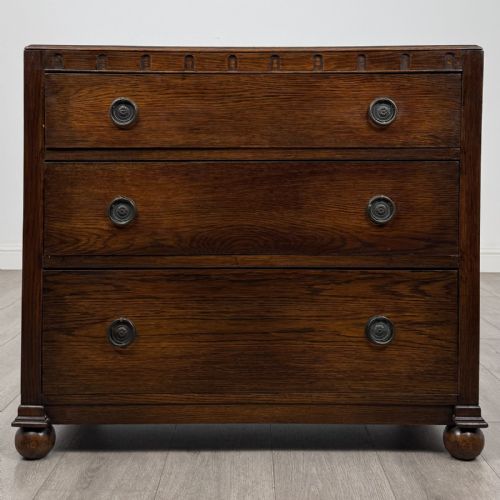
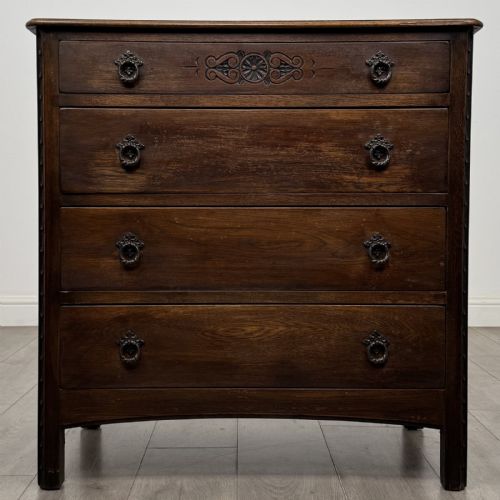
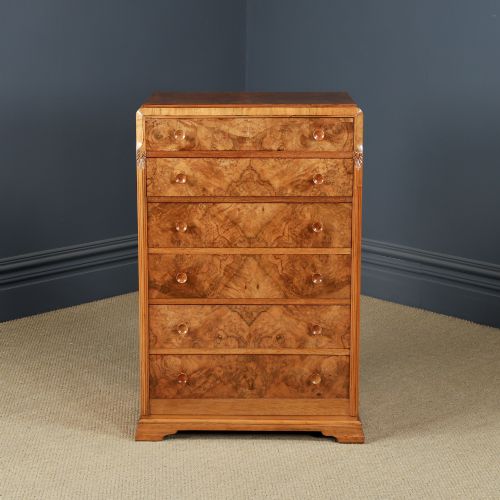
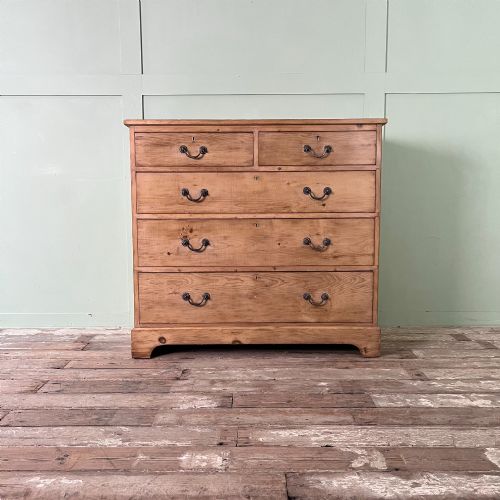
The most common versions met on this page are mahogany and oak chests of drawers featuring multiple drawer configurations, alongside pine pieces suited for simpler rooms. Examples range from compact three-drawer units to tall six-drawer constructions.
Origins vary from English country workshops to French provincial makers, alongside pieces reflecting specific design movements like Art Deco and Biedermeier. Each item serves as both a functional repository for clothing and a substantial decorative focal point.
How they were made
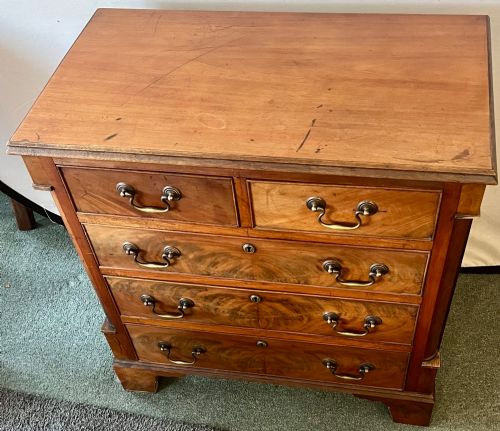
Cabinet makers utilised solid woods including mahogany, oak, pine, and walnut, often applying flame mahogany or burr walnut veneers to primary surfaces. Construction methods involve traditional drawer joinery and fitted brass handles.
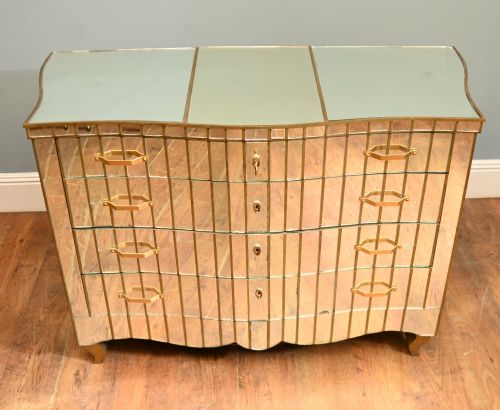
Selected pieces incorporate decorative painting or specialised wood shaping, producing serpentine and bow front profiles alongside carved details such as green man grotesques. Surfaces receive polish or paint finishes appropriate to their respective periods.
Listings feature pieces from the Georgian, Regency, Victorian, Edwardian, and Art Deco periods, constructed in mahogany, oak, pine, and walnut.
What varies in quality
Quality differences lie in the selection of timber figures, such as highly figured flame mahogany or burr walnut veneers, compared to plain utility timbers. Superior examples display precise cabinet work in the drawer construction and carcass joints.
The refinement of original brass hardware and the sophistication of design elements, such as serpentine fronts or Biedermeier styling, distinguish standard utilitarian storage from pieces produced by skilled cabinet makers.
T & G Seddon·Sir Clough Williams-Ellis
The Vintage Dresser Chest Glossary
- Bow front
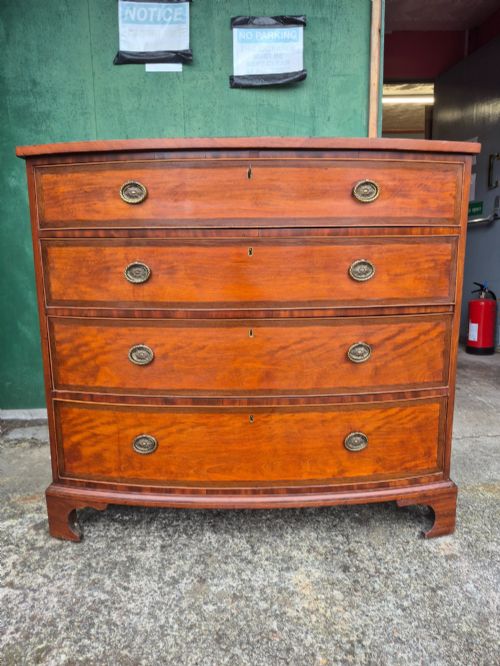
- A convex curved cabinet front that projects outward in the centre. This design requires advanced woodworking skill to shape the drawers and frame.
- Flame mahogany
- A veneer cut from the fork of the mahogany tree where branches join the trunk. It creates a distinctive, swirling flame-like pattern across the wood surface.
- Brushing slide
- A pull-out shelf integrated into the upper section of a chest. It was used historically for folding clothes or brushing garments.
- Serpentine front
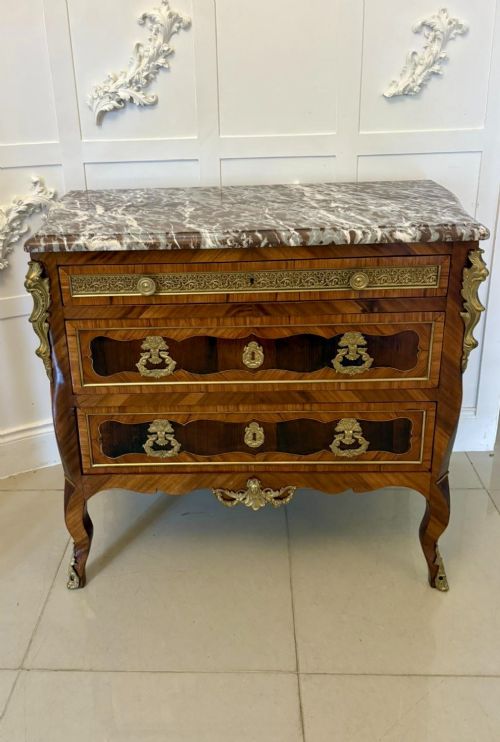
- A cabinet front featuring a concave centre flanked by two convex ends, creating an undulating wave shape. It represents a complex form of furniture construction.
- Biedermeier
- A Central European style from the mid 19th century emphasising clean lines and utilitarian comfort over excessive ornamentation. It relies on the natural grain of woods like mahogany and birch.
Vintage Dresser Chest: Frequently Asked Questions
What is a vintage antique dresser chest?
A vintage antique dresser chest is a solid wood storage unit featuring horizontal drawers, originating from periods between the 18th and early 20th centuries. These pieces were built to hold garments and household textiles in bedrooms and dressing rooms.
Today, they function as practical bedroom storage while adding period character to domestic interiors. Their durable construction allows them to endure through generations of daily use.
How do I date a chest of drawers?
Dating involves examining the timber species, handle styles, construction methods, and overall design characteristics. Georgian pieces often display different proportions and drawer configurations compared to Edwardian or Art Deco examples.
Matching the wood types, such as solid oak or flame mahogany veneer, with known period styles helps narrow down the decade of production. Secondary woods inside the drawers also offer clues to the origin and age.
How do I maintain wood furniture?
Maintain wood surfaces by keeping them away from direct heat sources and strong sunlight, which can dry out the timber and veneer. Regular dusting with a soft, dry cloth preserves the polished finish.
Apply suitable furniture wax occasionally to nourish the wood and protect the grain. Avoid using silicone-based sprays that can penetrate the historic finish.
Where should I place a chest?
These chests suit bedrooms, hallways, and living rooms where they provide enclosed storage and surface space for decorative items. Ensure the placement allows sufficient clearance for drawers to open fully without obstruction.
Larger pieces work well against primary walls in spacious rooms, while smaller bow front or three-drawer versions fit narrower areas. Balance the scale of the chest with the surrounding furniture.