
Vintage Animal Painting
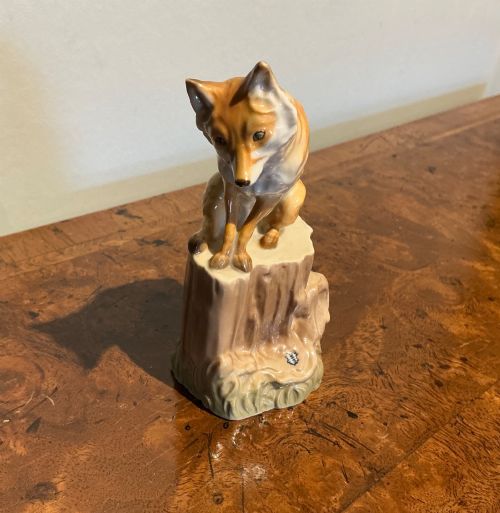
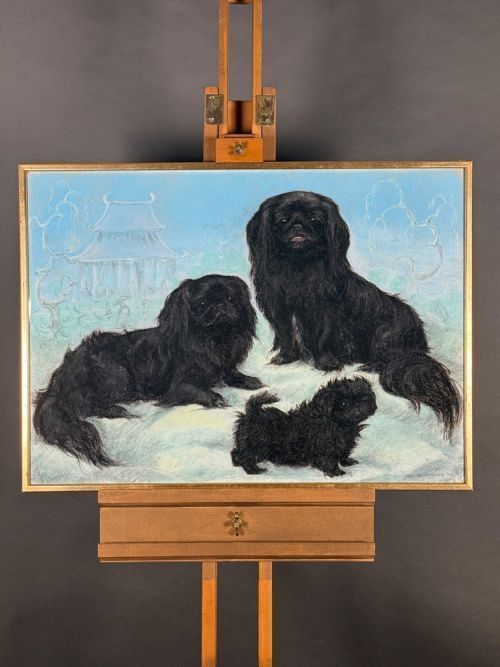
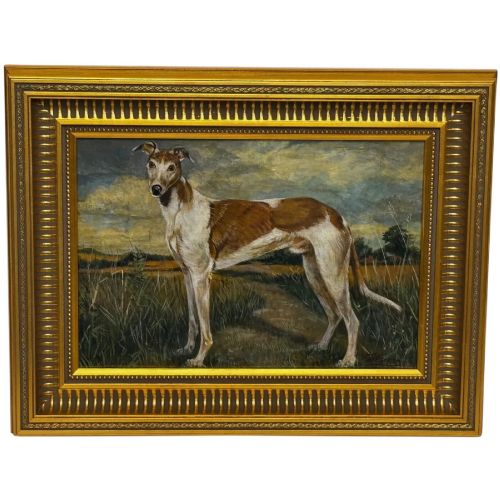
A vintage animal painting captures the character of hounds, horses, cattle and cats through the observant eye of past artists.
Vintage Animal Painting
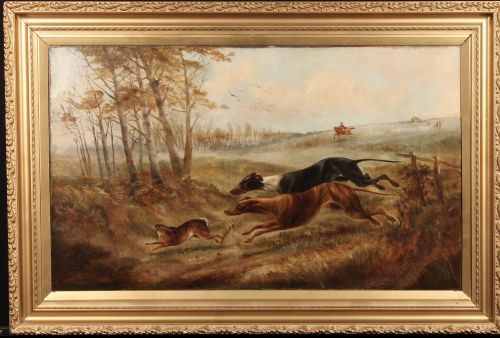
When searching for a vintage animal painting, buyers encounter works executed across the nineteenth and twentieth centuries, including the Victorian, Edwardian, and Art Deco periods. These portrayals range from formal equine and sporting canvases to intimate studies of domestic pets, farm animals, and exotic wildlife.
The selections recorded here span British, French, and Asian schools, demonstrating both academic precision and folk art charm. Oils on canvas and board predominate, alongside works on paper and card, capturing creatures in natural settings or domestic interiors.
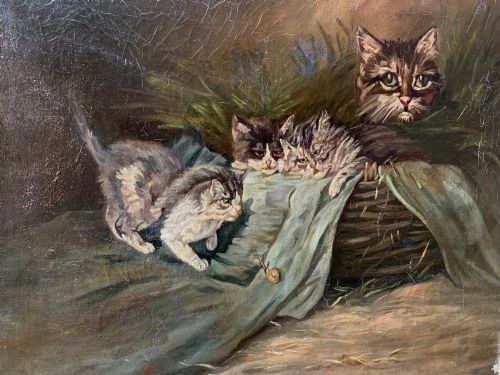
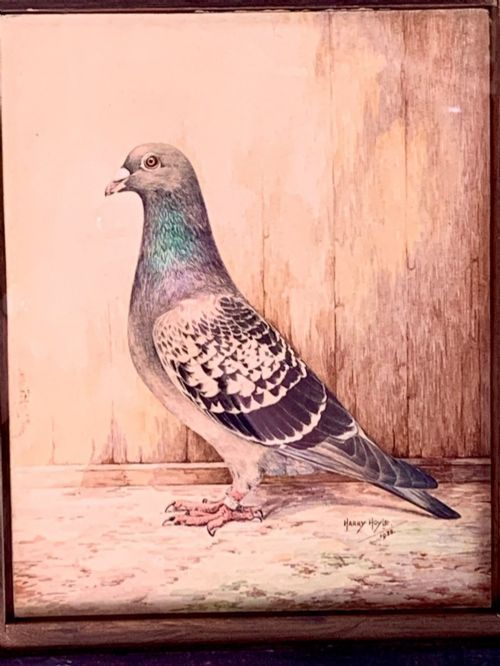
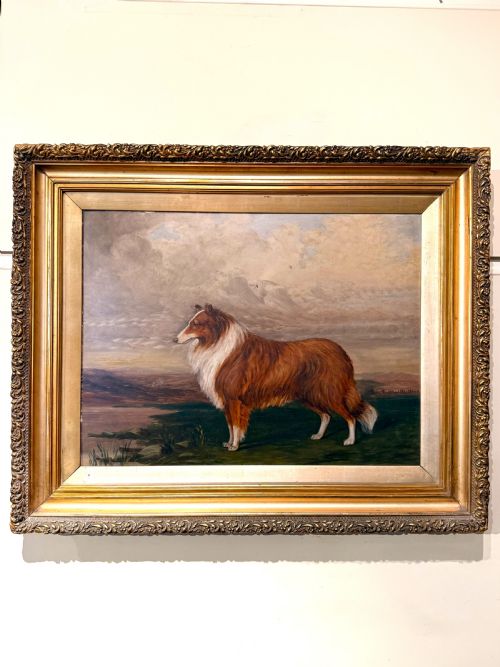
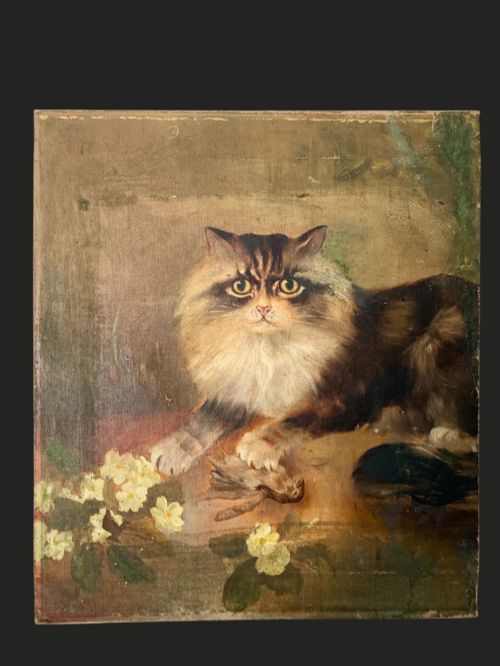
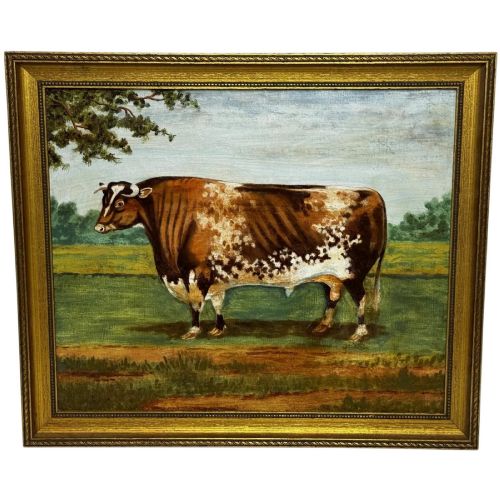
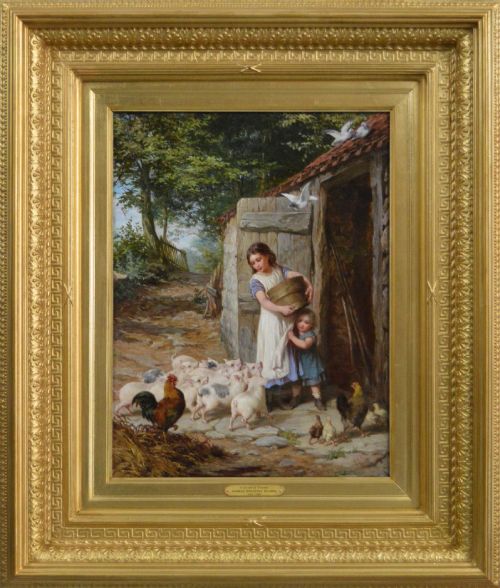
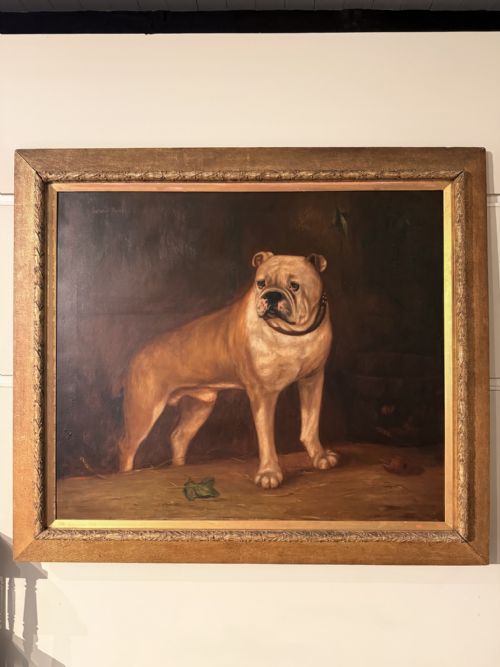
Subjects stretch from prizewinning livestock and working dogs to playful kittens, birds, and mounted game. Buyers find both large gallery portraits and modest naive compositions reflecting the varied ways people have lived with animals over the generations.
How They Were Made
Artists working on these pieces applied oil paint to stretched canvas or wooden panels, building up layers of pigment to render fur, feather, and muscle with convincing texture. Watercolour and pastel on paper served for lighter, more immediate sketches and detailed character studies.
Substrates varied according to the scale and purpose of the work, with heavy woven canvas used for grand equine and sporting commissions, while board and heavy paper suited smaller domestic animal portraits and naive folk art compositions.
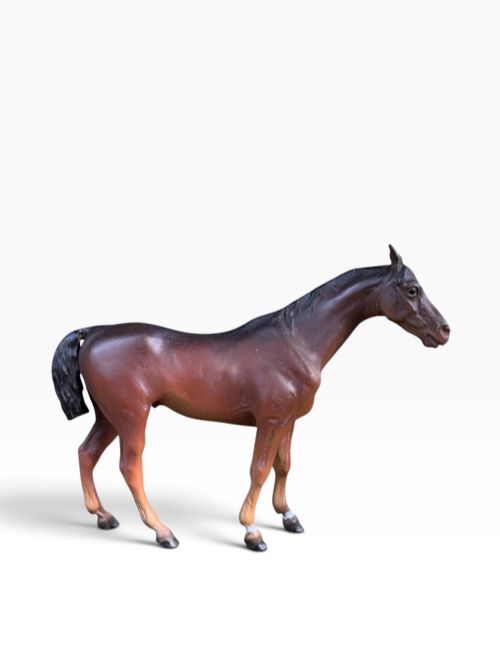
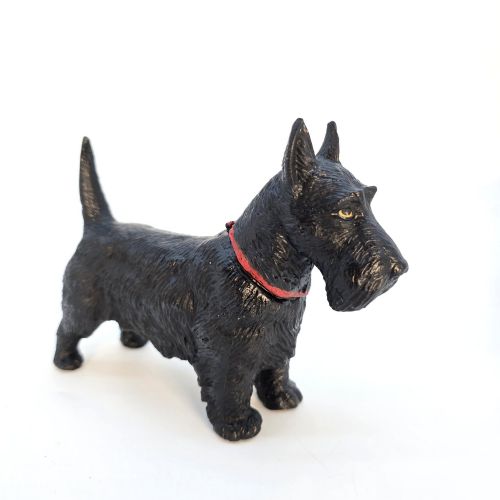
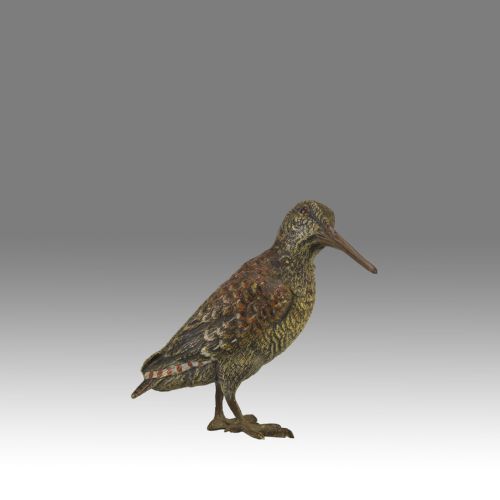
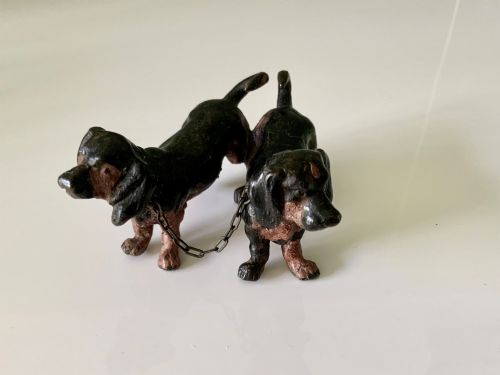
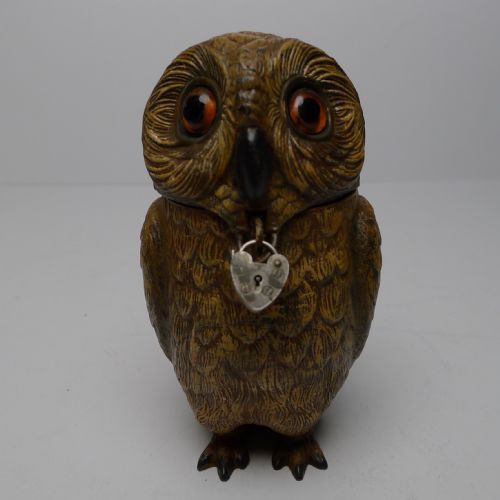
Listings feature oil on canvas, terracotta, bronze, and watercolour across nineteenth and twentieth-century periods.
What Varies in Quality
Quality rests primarily on the artist's command of anatomy, posture, and expression, distinguishing a lifelike character study from a stiff or generic rendering. The subtlety of brushwork in the depiction of animal coats and the handling of natural light dictate the standing of a canvas.
Composition and provenance elevate certain works, particularly when a painting records a named subject, a specific historical stable, or a recognised hand from the British and continental schools.
Franz Bergman·George Augustus Holmes·Edgar Hunt·Henry Barraud·Fred Fitzpatrick·Alfred Arthur Brunel de Neuville
The Vintage Animal Painting Glossary
- Naive school
- An aesthetic produced by artists with little or no formal academic training, often characterised by flat perspective and honest charm. These works rely on direct observation rather than strict proportion.
- Sporting art
- A genre dedicated to the depiction of horses, hounds, shooting, and rural pursuits, highly developed in Britain during the nineteenth century. It demands accurate knowledge of animal anatomy and field sports.
- Equine portrait
- A specialised painting commissioned to record the likeness and pedigree of a valued horse, hunter, or racehorse. These canvases frequently name the animal and its owner or trainer.
- Cold-painted bronze
- A metal sculpture technique popular in Vienna where bronze figures received detailed hand-applied polychrome paint layers. This finish allows for intricate rendering of plumage and fur.
Vintage Animal Painting: Frequently Asked Questions
How do I identify a naive painting?
Naive paintings display flat perspectives, simple outlines, and an absence of formal academic training while maintaining a direct charm.
These works prioritize immediate character over strict anatomical accuracy, often created by regional artists working outside major urban academies.
What subjects are most common?
Horses, dogs, cats, and farm livestock dominate these historical canvases and panels.
Artists frequently recorded prized agricultural animals, working farm dogs, and beloved domestic pets for landed estates and urban homes alike.
How should I frame these works?
Period frames matching the nineteenth or early twentieth-century origins complement the surface and depth of oil and watercolour pieces.
Proper framing protects the edges of canvas and paper while maintaining the historical context of the artwork.
Are these works signed by the artist?
Many paintings carry signatures, monograms, or studio inscriptions, though a significant portion of folk art and naive pieces remain anonymous.
Attributions often rely on recorded provenance, subject matter, and stylistic comparisons with documented works from the same era.