




Vintage Animal Lamp
A vintage animal lamp brings character and warm illumination to a room through sculpted ceramic, carved wood, or cast metal forms.
Vintage Animal Lamp
A vintage animal lamp encompasses decorative lighting fixtures shaped as birds, beasts, and domestic animals from various historical periods. These pieces range from functional Victorian oil lamps to sculptural Art Deco night lights and novelty figures.
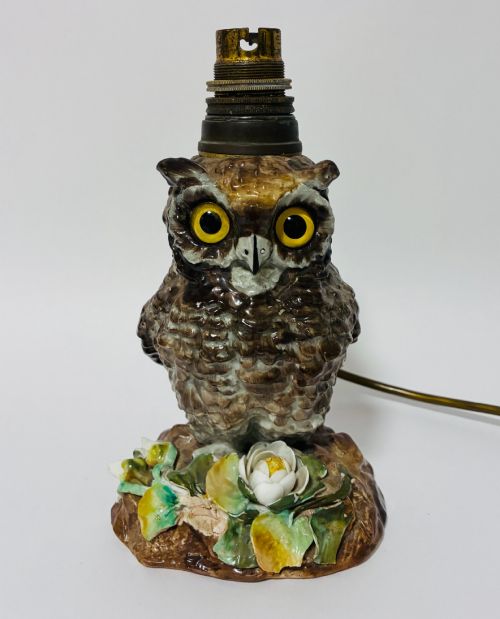
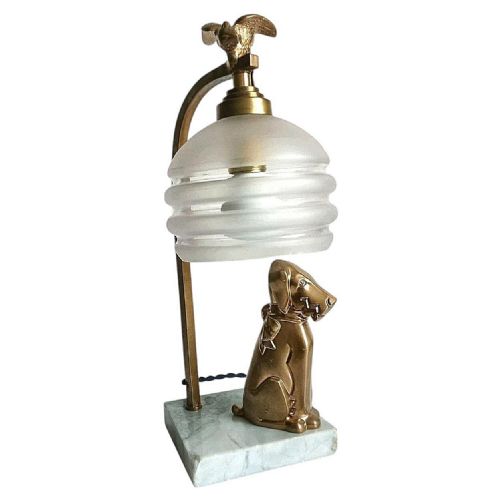
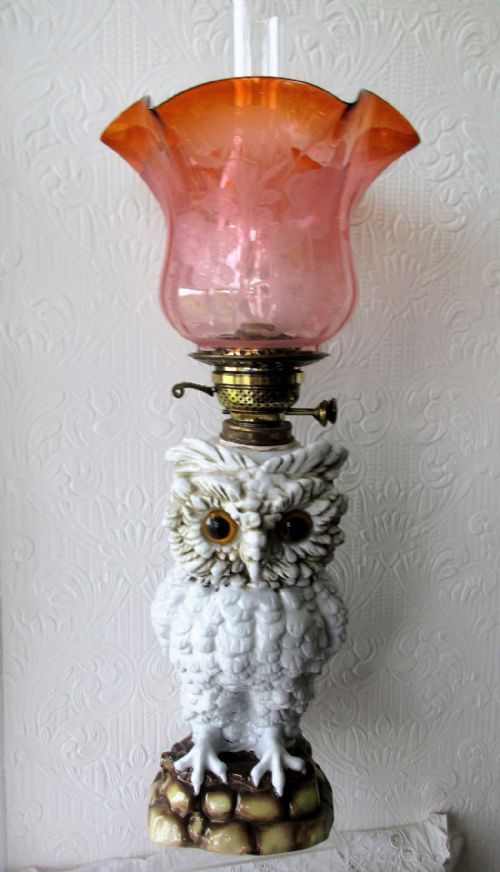
Buyers encountering this selection will find ceramic owls, Black Forest linden wood bears, and marble-mounted bronze or spelter dogs. These items combine practical illumination with sculptural representation across multiple decades.
Originating from workshops in Britain, France, Germany, and Austria, these lamps reflect the domestic taste of the late nineteenth and early twentieth centuries. The assortment spans Victorian, Edwardian, and Art Deco aesthetics.
How they were made
Maker construction utilises traditional media such as hand-painted porcelain, glazed ceramic, cast brass, and patinated bronze. Artisans frequently mounted these animal figures onto heavy bases of carved linden wood, marble, or granite.
Specialised techniques include lampwork glass manipulation for delicate subjects like snakes, alongside detailed wood carving seen in Black Forest animal studies. Metal components involve casting in bronze, brass, and spelter, often paired with opaline or mottled glass shades.
Vintage Animal Lamp Retail Price Guide 2026
Typical asking prices for vintage animal lamp among the pieces listed under this phrase on Sellingantiques today, from the lower quarter to the upper quarter. They describe what is for sale here now, not the wider market.
German porcelain factories produced a significant share of the animal lamp bases seen here.
What varies in quality
Quality differences lie in the fidelity of the sculptural modelling and the expressiveness of the animal subject. Pieces from established factories or skilled carvers exhibit finer anatomical detail and more convincing textures in fur, feathers, or scales.
The choice and integration of materials also distinguish the tiers of manufacture, such as heavy solid marble bases paired with finely cast bronze figures rather than lighter composite materials.
Ernst Bohne & Sohn·Sitzendorf·Bimini
The Vintage Animal Lamp Glossary
- Spelter
- A zinc alloy commonly used as a cost-effective substitute for bronze in decorative figures and lamp bases during the nineteenth and early twentieth centuries.
- Black Forest
- A style of wood carving originating from the mountain region of Germany and Switzerland, renowned for realistic animal sculptures, particularly bears.
- Opaline glass
- A semi-translucent glass type that diffuses light softly, frequently utilised in shades and night lights from the Art Deco period.
- Lampwork
- A glassworking technique involving a torch to melt rods of glass, employed to shape intricate miniature animal figurines.
- Novelty lamp
- A functional lighting piece designed primarily around a humorous, figurative, or unusual decorative subject rather than standard classical forms.
Vintage Animal Lamp: Frequently Asked Questions
What periods do these animal lamps come from?
The pieces span the Victorian and Edwardian eras through to the Art Deco period of the 1920s and 1930s. Materials and styles shift from ornate nineteenth-century ceramics to stylised metal and marble designs.
Earlier examples often function as converted oil lamps, while later twentieth-century creations are frequently designed specifically for electricity as night lights or table lamps.
How do I identify a Black Forest animal lamp?
Black Forest lamps are characterised by hand-carved linden wood depicting woodland animals, most commonly bears. These pieces showcase deep relief carving and naturalistic textures.
They originate primarily from Swiss and German woodworking traditions active around the turn of the twentieth century.
Were these lamps originally electric?
Many nineteenth-century examples started life as oil lamps before undergoing conversion to electricity in later decades. Art Deco models from the 1920s and 1930s were more commonly designed for electric bulbs from the outset.
Conversion details vary depending on whether the piece retains its original burner fittings or has been rewired for modern domestic use.
What animals are most common in these designs?
Dogs feature prominently, including breeds like spitz, greyhounds, and alsatians, alongside birds such as owls, eagles, and parrots. Wild animals like bears and snakes also appear in specific regional styles.
Each creature reflects the prevailing decorative tastes and domestic symbolism of its respective decade.