

Vintage Animal Artwork
Vintage animal artwork brings historic charm to interiors through detailed depictions of horses, dogs, cats, and farm animals.
Vintage Animal Artwork
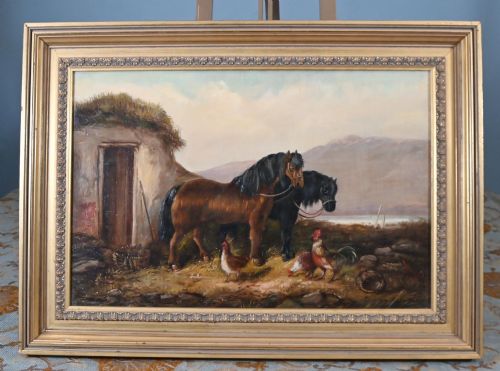
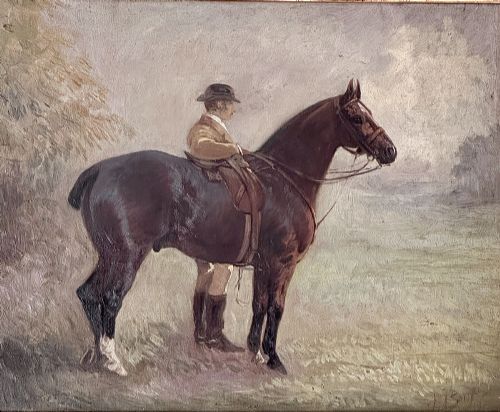
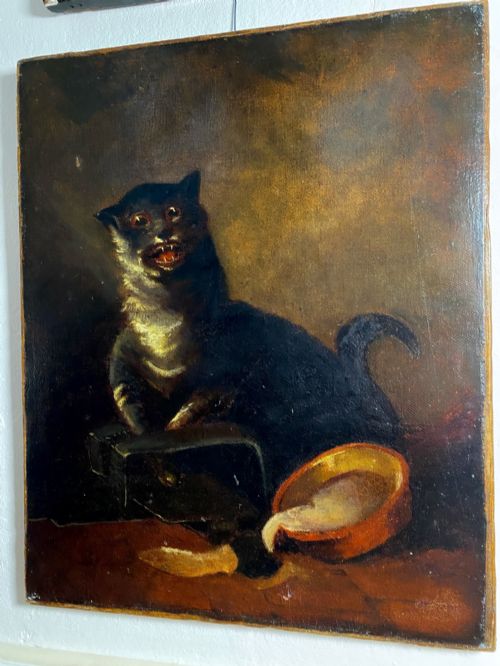
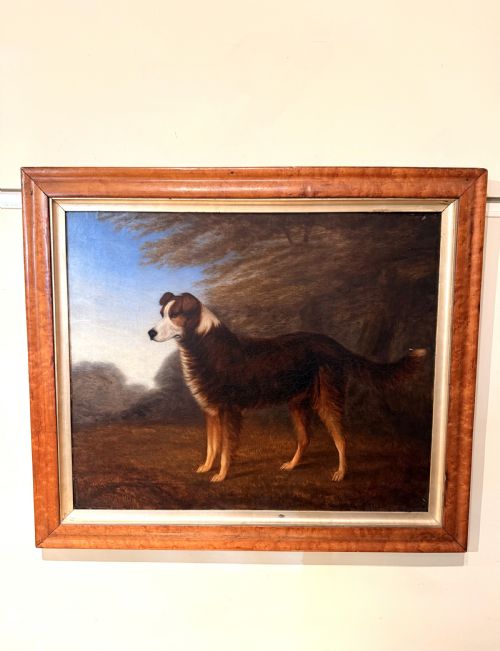
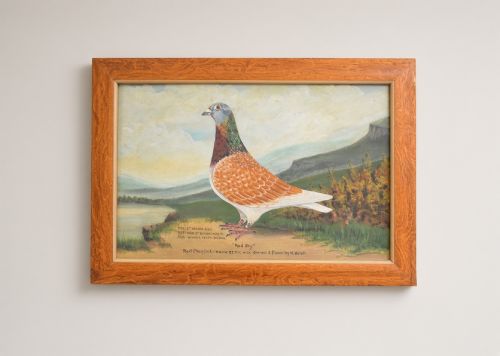
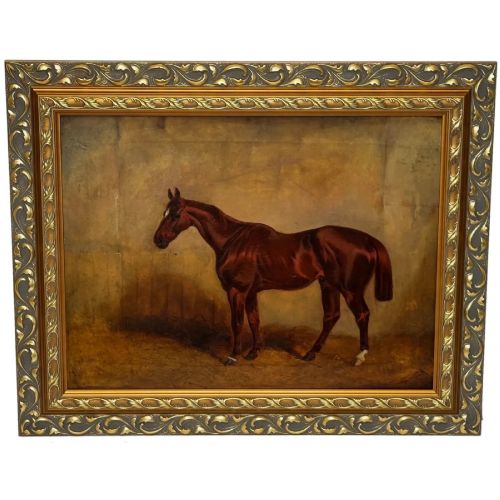
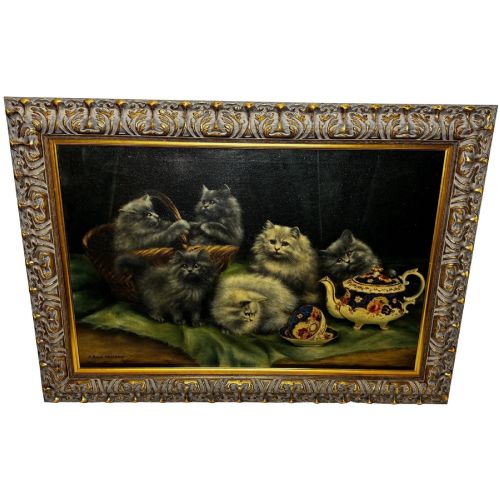
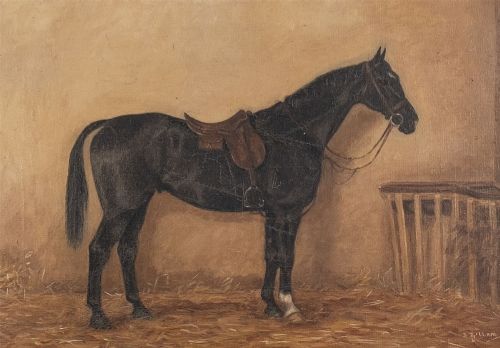
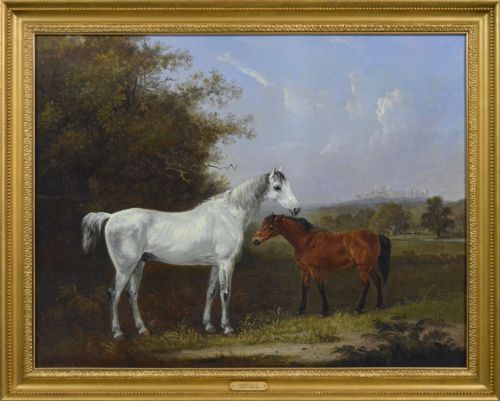
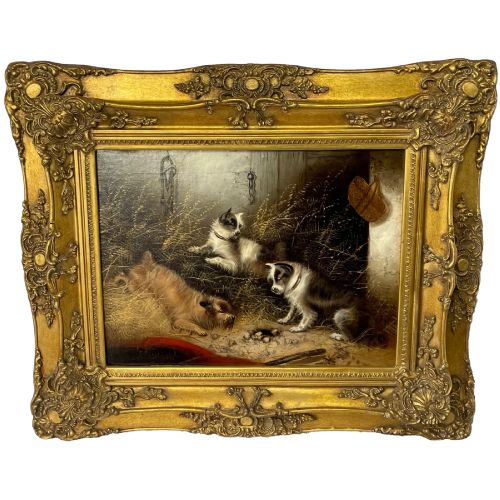
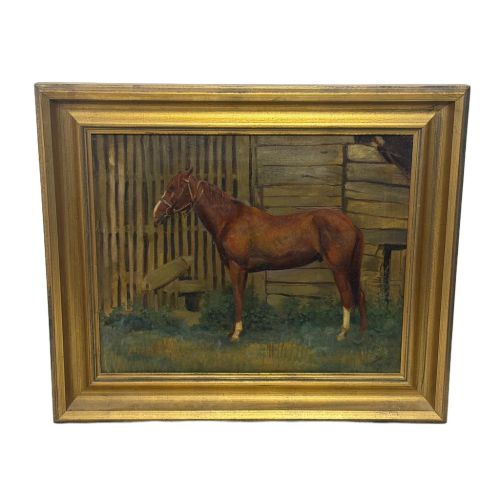
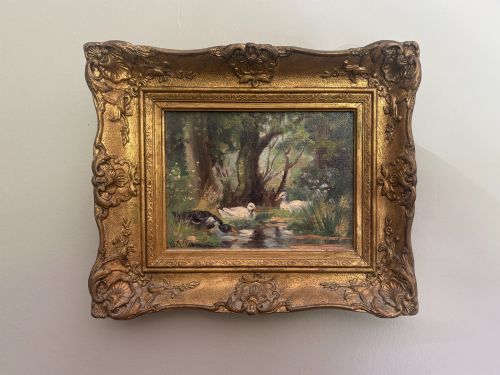
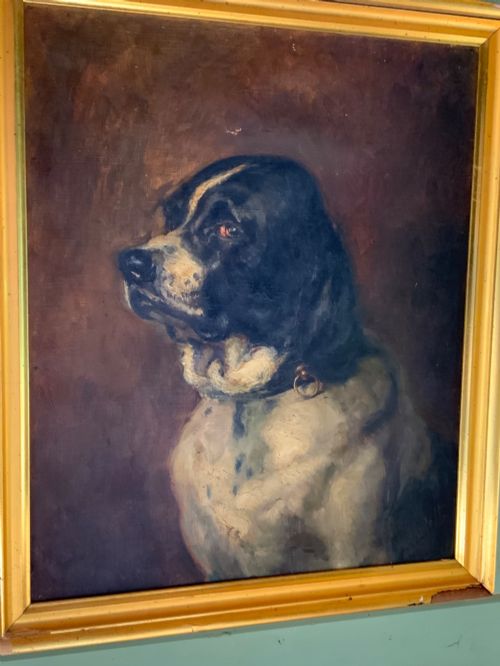
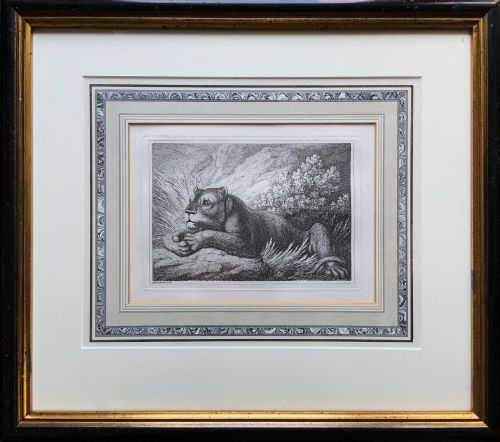
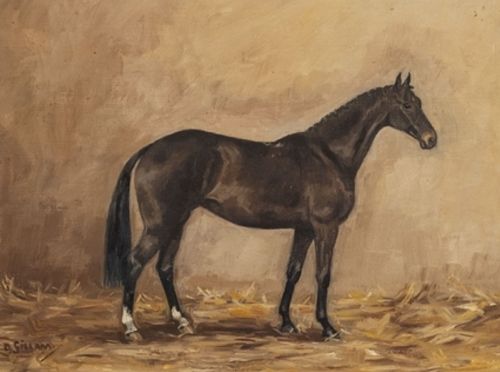
When searching for vintage animal artwork, buyers encounter a diverse selection of pieces ranging from grand equine oil paintings to delicate etchings of big cats and domestic pets. These works capture the character of animals through traditional artistic mediums across the eighteenth, nineteenth, and early twentieth centuries.
Makers and artists represented span named painters and printmakers from British and continental schools, alongside anonymous folk art and school pieces. Buyers find works executed on canvas, wood panels, paper, and vellum, often preserved in period giltwood or simple wooden frames.
How they were made
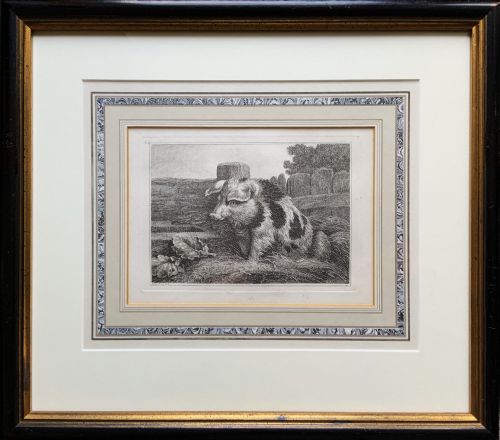
Artists created these works utilising traditional media such as oil paint on canvas or wood, watercolour and gouache on paper, and detailed ink work. Etchings and drypoints on paper or vellum relied on precise metal plate engraving techniques, often produced in limited signed artist proofs.
Vintage Animal Artwork Retail Price Guide 2026
Typical asking prices for vintage animal artwork among the pieces listed under this phrase on Sellingantiques today, from the lower quarter to the upper quarter. They describe what is for sale here now, not the wider market.
Listings feature works spanning the eighteenth to the twentieth centuries, utilising oil, watercolour, gouache, and etching on paper, canvas, and vellum.
What varies in quality
The strength of an animal portrait depends upon the artist's anatomical accuracy, particularly in the rendering of bone structure, muscle tension, and expression in subjects like horses and hounds. Superior works capture a convincing sense of life and movement rather than relying on stiff formulaic poses.
Material preservation significantly shapes the standing of a piece, including the stability of the paint layer on canvas, the absence of heavy yellowed varnish, and the preservation of crisp plate marks in paper etchings. Original framing and documented artist signatures or period provenance further distinguish finer examples.
Samuel Howitt·Edmund Bristow·Edward Armfield·Edgar Hunt·Herbert Dicksee·Dame Laura Knight
The Vintage Animal Artwork Glossary
- Etching
- A printmaking process where lines are bitten into a metal plate with acid before ink is applied and pressed onto paper. This technique allows for fine, highly detailed lines in animal fur and feather studies.
- Drypoint
- A printmaking method where an artist scratches directly into a metal plate with a sharp needle, producing a rich, velvety burr along the lines. It yields distinctive soft edges often seen in early twentieth-century wildlife prints.
- Vellum
- A fine parchment material prepared from calfskin, prized for printmaking and drawing for its smooth, durable surface. It holds delicate ink and etching details exceptionally well over centuries.
- Chromolithograph
- A multicoloured print produced through a specialised flat stone lithography process that builds up rich colours layer by layer. This method allowed Victorian publishers to reproduce oil paintings and watercolours faithfully.
- Giltwood
- Wood that has been carved and coated with a thin layer of gold leaf or gold paint. It forms the traditional decorative finish for many period frames housing fine paintings.
Vintage Animal Artwork: Frequently Asked Questions
How do I care for antique animal oil paintings?
Keep paintings away from direct sunlight and dramatic fluctuations in temperature and humidity to prevent the canvas and paint layers from cracking.
Dust the surface gently with a soft, dry brush and avoid using liquid cleaners or chemical solvents on the aged paint.
What is the difference between an etching and an oil painting?
An oil painting is a unique, hand-painted work utilising pigment suspended in oil on canvas or wood, offering rich texture and blended colour.
An etching is a printed work pulled from an engraved metal plate, valued for its fine line work and potential inclusion in a limited edition.
How can I tell the period of a framed animal artwork?
Examine the materials of the backing, the type of paper or canvas, and the style of the frame construction, as these often match the era of creation.
Signatures, artist dates, and traditional subject matter like Victorian sporting scenes or Art Deco styling provide further chronological markers.
Where were sporting animal paintings traditionally displayed?
Equine and hunting dog portraits were historically hung in country houses, estate libraries, and sporting lodges to celebrate prized animals and successful hunts.
Today, these works suit studies, living rooms, and hallways, pairing well with traditional and eclectic interior schemes.