




Vintage Amber Lamp
A vintage amber lamp brings warmth to a room through coloured glass and metalwork dating from the Victorian era to the Art Deco period.
Vintage Amber Lamp
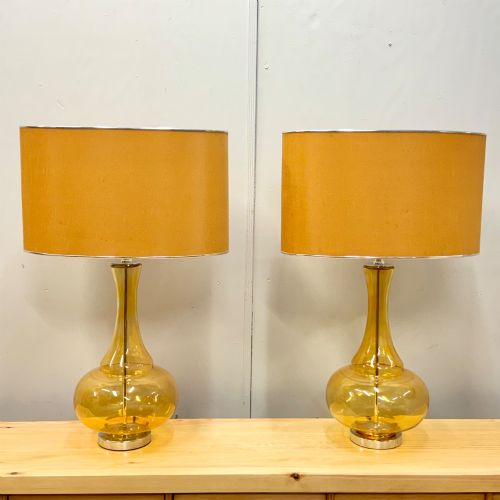
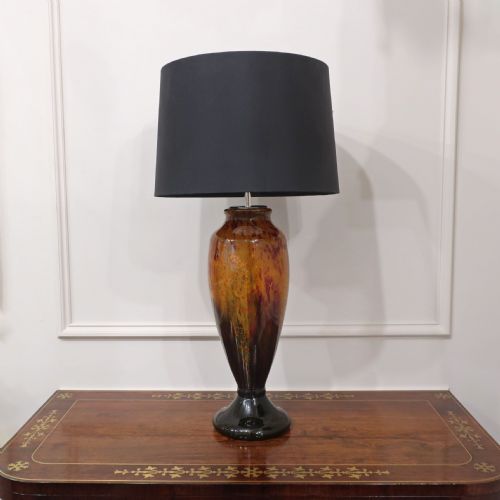
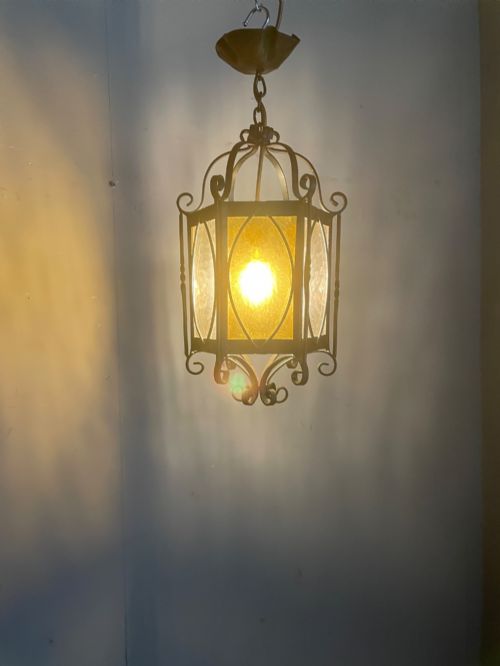
A vintage amber lamp combines functional lighting with rich tones of yellow and brown glass, spanning periods from Victorian to 1930s Art Deco. When searching for a vintage amber lamp, buyers encounter various forms including table lamps, wall sconces, ceiling lights, and chandeliers. The materials range from frosted and mottled glass to brass, bronze, chrome, and cast metal.
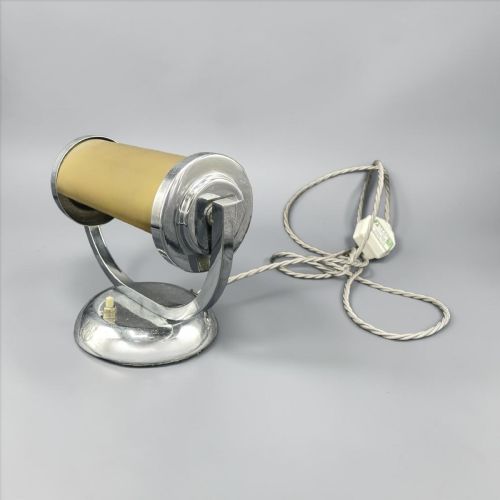
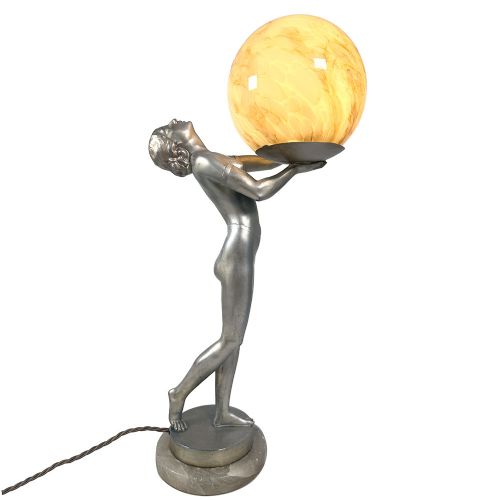
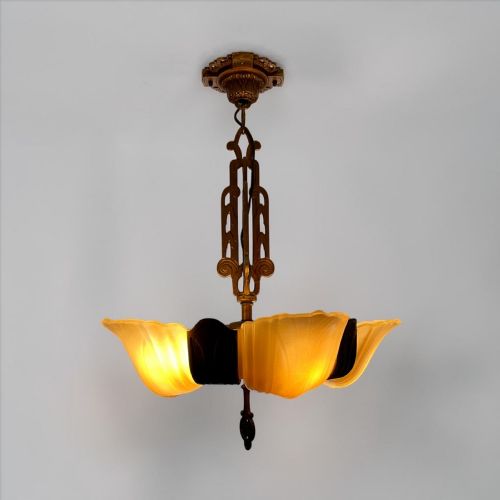
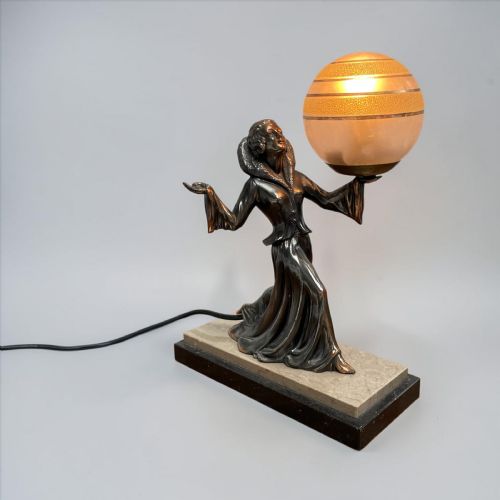
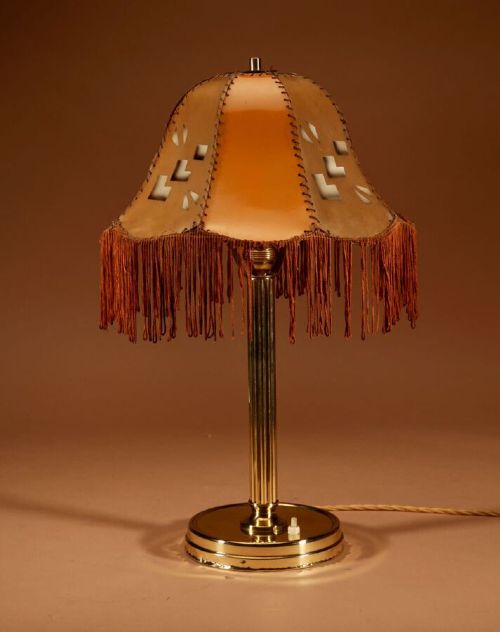
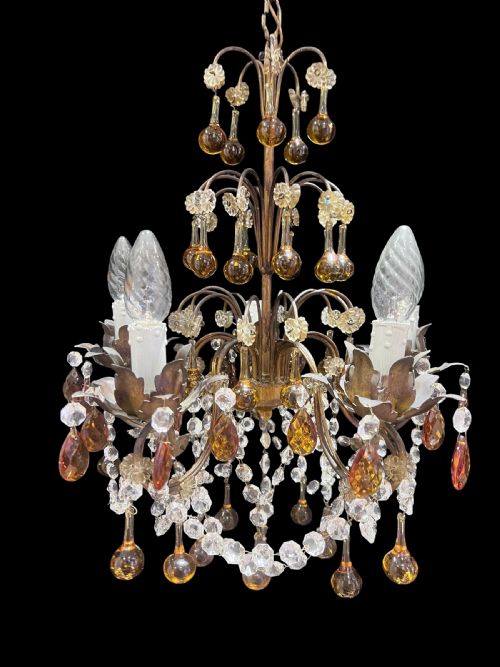
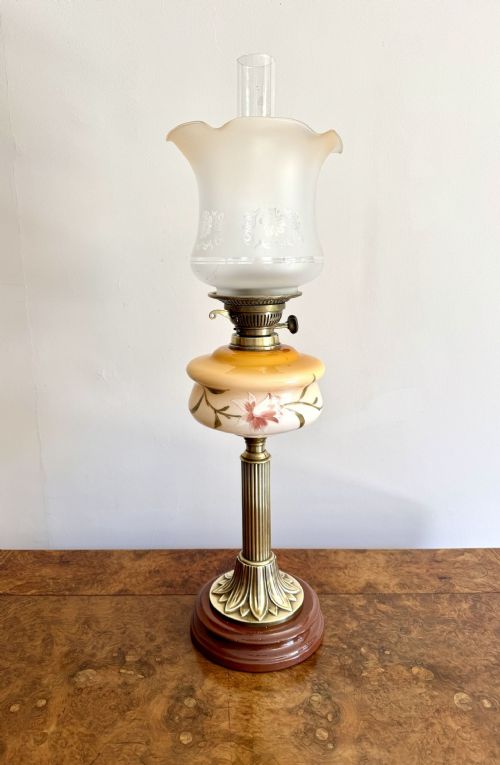
Table lamps and wall lights from the 1920s and 1930s predominate on this page, often featuring geometric Art Deco designs or figurative bases. Pieces such as standing lady lamps and slip shade ceiling lights demonstrate the prevalent styles of these decades. Alongside standard table lighting, the selection includes brass oil lamps, hall lanterns, and beaded chandeliers.
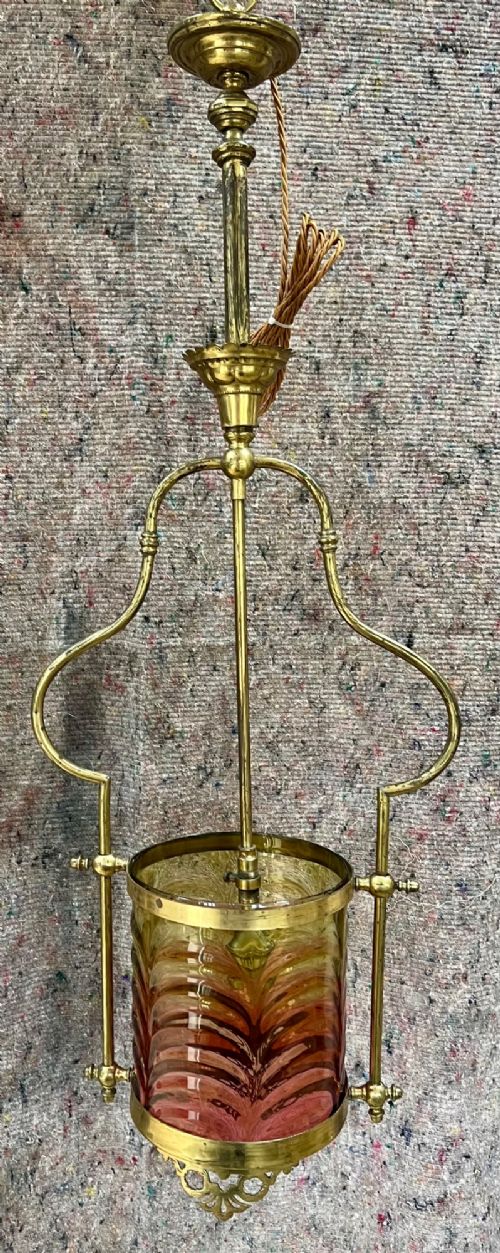
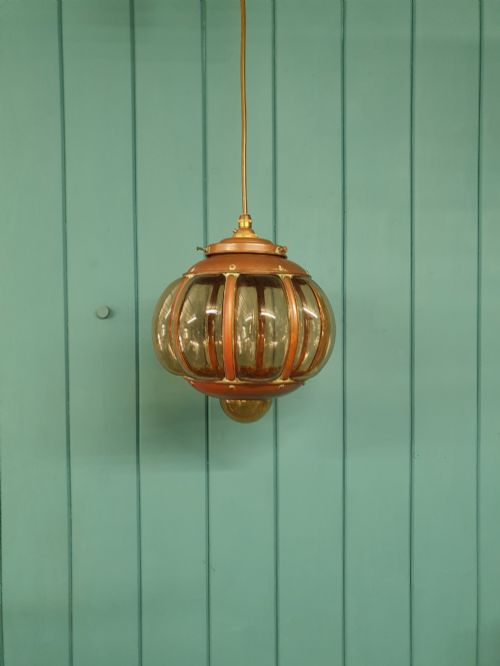
Earlier examples bridge the Edwardian and Victorian eras, utilising heavier brass and copper alongside etched or smoked glass. Items like nautical pendant lights and boudoir wall sconces provide alternative forms for domestic illumination. Each piece reflects the manufacturing standards and aesthetic preferences of its specific decade.
Materials and construction methods
Makers of vintage amber lamps relied heavily on combinations of glass and metal to achieve stability and aesthetic contrast. Bases and frames typically incorporate cast metal, brass, bronze, or wrought iron, paired with blown, moulded, or frosted glass shades. Chrome and catalin phenolic bakelite appear in later pieces from the 1930s.
Glass production techniques include mottled finishes, slip shading, and beadwork to manipulate light diffusion and colour depth. Metal components often feature patinated finishes, gilt detailing, or structural carving, particularly in alabaster ceiling lights and spelter figurative bases.
Vintage Amber Lamp Retail Price Guide 2026
Typical asking prices for vintage amber lamp among the pieces listed under this phrase on Sellingantiques today, from the lower quarter to the upper quarter. They describe what is for sale here now, not the wider market.
Listings feature brass, bronze, and chrome frames paired with frosted, smoked, and amber glass elements across multiple decades.
Quality factors in amber lighting
The standard of a vintage amber lamp rests upon the weight and depth of its glass components and the integrity of its metal frame. Superior pieces exhibit crisp moulding in slip shades or intricate detail in figural spelter and bronze bases, whereas simpler items utilise standard pressed glass and basic brass stampings.
Design cohesion and originality of components dictate distinction within the range. Matching pairs of wall sconces and complete assemblies with original shades command greater interest than assembled pieces or replacements lacking period harmony.
The Charles Parker Company
The Vintage Amber Lamp Glossary
- Spelter
- A zinc alloy frequently used as a substitute for bronze in decorative lamp bases during the early twentieth century. It accepts patination well to mimic richer metals.
- Slip shade
- A moulded piece of art glass that slides directly into a metal frame on a ceiling light or wall sconce. These shades define many Art Deco lighting designs.
- Bakelite
- An early synthetic plastic utilised for lamp bodies and switches in the 1930s. Catalin phenolic variations often display translucent amber qualities.
- Mottled glass
- Glass created by mixing multiple colour batches during blowing to produce a cloudy, variegated effect. This technique diffuses light softly across table lamps.
- Torch wall light
- A wall-mounted light fixture shaped like a small torch or sconce, directing illumination upwards. These frequently appeared in pairs during the 1930s.
Vintage Amber Lamp: Frequently Asked Questions
What periods do these lamps cover?
The selection spans from Victorian and Edwardian pieces up through 1920s and 1930s Art Deco designs. Earlier examples often feature brass and oil mechanisms, while later items embrace chrome and modernist glass.
Production methods shifted over these decades from heavy cast metals to lighter alloys and moulded synthetic materials. This progression allows collectors to trace changing domestic lighting preferences across different eras.
How were amber glass shades made?
Glassmakers used various techniques including mould-blowing, slip casting, and chemical treatments to achieve amber hues and textured surfaces. Mottled and frosted finishes helped diffuse the glare from early electric bulbs.
Some pieces incorporate beaded elements or etched patterns that catch light from multiple angles. The resulting glow characterises the distinctive warmth associated with these vintage fixtures.
Where should I place a wall sconce?
Wall sconces and torch lights function well in hallways, flanking mirrors, or providing accent illumination in living spaces. Matching pairs from the 1930s offer symmetrical balance when mounted at eye level.
Wiring considerations vary with age, so placement often depends on existing electrical points or professional rewiring capabilities. Smaller boudoir lights suit compact spaces where gentle, indirect light is preferred.
How do I distinguish Art Deco lighting?
Art Deco pieces typically display geometric forms, clean lines, and stylised motifs such as cubism or torch shapes. Materials like chrome, catalin, and slip-shaded glass frequently accompany these designs.
Figural bases depicting ladies or abstract animals also typify the 1930s aesthetic found in this category. These contrast with the more ornate scrollwork and heavier brass frames of Victorian and Edwardian predecessors.