

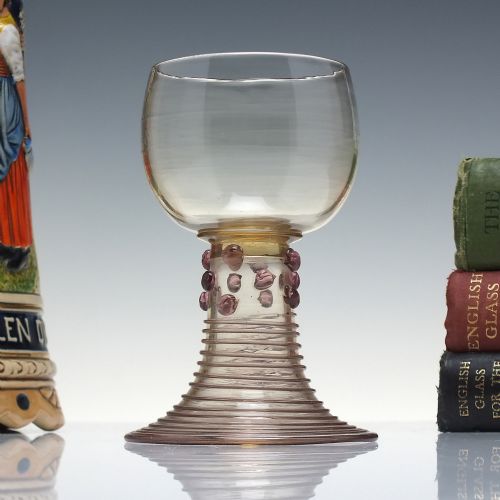


Vintage Amber Bowl
These vintage amber bowl pieces range from moulded Bohemian glassware to pressed glass and carved alabaster.
Vintage Amber Bowl
A vintage amber bowl brings warm colour and reflective depth to a room, appearing in forms from large punch sets and decorative centrepieces to small finger bowls. When someone searches for a vintage amber bowl, they encounter items shaped by diverse design movements spanning several centuries.
The pieces listed here include Georgian table glass, Art Deco decorative vessels, and 19th-century European works. Visitors most frequently meet pressed glass and hand-blown glass variations among the current selection.
How they were made
Maker workshops utilised glass-blowing and pressing techniques to shape molten material into decorative bowls and tableware. Artisans also carved natural minerals such as alabaster and marble to create sculptural vessels and matching bases.
Moulding and cutting methods allowed makers to achieve intricate surface patterns, animal decoration, and floral motifs. Materials like brass and fabric cord sometimes complete pendant and ceiling light fittings associated with these glass and stone forms.
Vintage Amber Bowl Retail Price Guide 2026
Typical asking prices for vintage amber bowl among the pieces listed under this phrase on Sellingantiques today, from the lower quarter to the upper quarter. They describe what is for sale here now, not the wider market.
One historical bowl keeps company with twelve pieces of carnival glass.
What varies in quality
Excellence in these vessels rests on the crispness of the moulding, the depth of the amber colour within the glass, and the finesse of any carved detail. Pieces attributed to specific designers or notable glasshouses demonstrate superior craftsmanship in their proportions and finishing.
Simpler pressed glass items contrast with complex hand-blown or cased glass creations that demand greater technical skill from the maker. The choice of base materials, such as contrasting black marble beneath alabaster, further distinguishes standard production from finer examples.
Rene Lalique
The Vintage Amber Bowl Glossary
- Amber glass
- Glass coloured by the addition of sulphur, carbon, or iron compounds during melting. This technique produces tones ranging from pale straw to deep cognac.
- Alabaster
- A fine-grained mineral stone carved into ornamental bowls and lighting fixtures. Its translucent quality diffuses light softly across the surface.
- Finger bowl
- A small bowl filled with water, used at the table for rinsing fingers between courses. Eighteenth and nineteenth-century examples often employ coloured glass.
- Centrepiece bowl
- A large decorative vessel designed to sit in the middle of a dining table or sideboard. These items frequently feature elaborate surface decoration or animal motifs.
Vintage Amber Bowl: Frequently Asked Questions
How do I clean a glass bowl?
Wash the glass gently in warm, soapy water using a soft cloth to avoid scratching the surface. Rinse thoroughly and dry with a lint-free towel.
Avoid abrasive sponges and harsh chemical cleaners that can dull vintage glass or damage applied decoration.
Can I use these bowls for food?
Most antique and vintage glass vessels serve primarily decorative purposes or light table use. Older glass may contain compositions unsuited for acidic foods or modern dishwashers.
Inspect the interior surface for any signs of wear before serving consumables from historical tableware.
How do I date an amber bowl?
Examine the manufacturing technique, pontil marks on the base, and stylistic indicators such as Art Deco geometric lines or Georgian proportions. Tool marks and surface wear offer clues regarding the age of the piece.
Comparing the weight and clarity of the material with documented examples helps narrow down the period of production.
Where should I place a stone bowl?
Position heavy alabaster and marble pieces on sturdy furniture capable of supporting their weight safely. Keep them away from damp areas that might discolour porous stone surfaces.
Displaying the vessel near a light source enhances the natural translucency of carved minerals.