




Vintage African Wood Carving
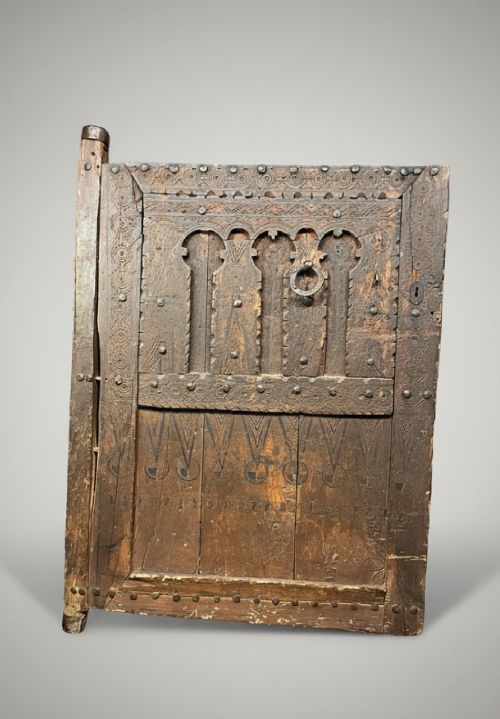
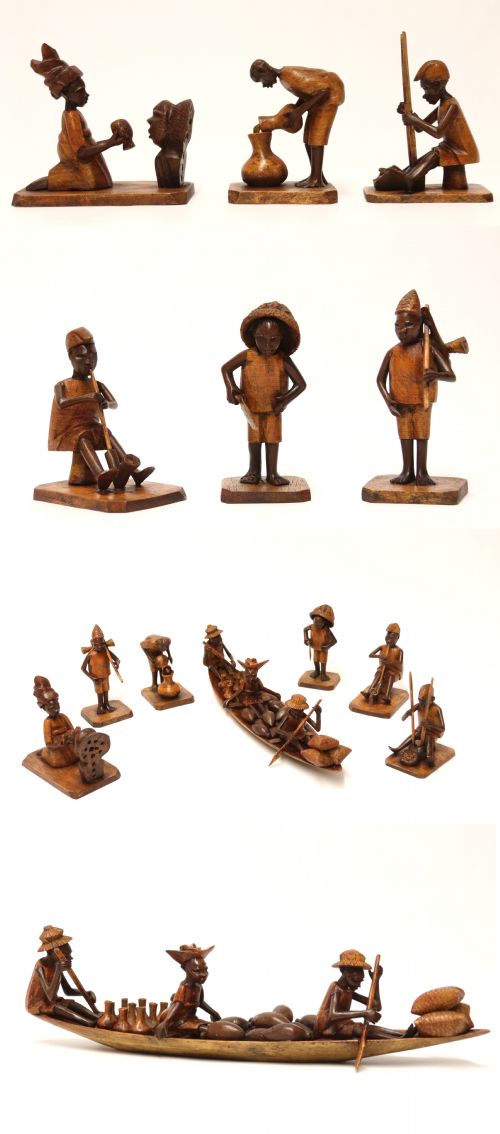
These vintage african wood carving pieces span ceremonial finials, tribal masks, figures, and domestic objects shaped by traditional makers.
Vintage African Wood Carving
A vintage african wood carving encompasses a diverse range of objects from utilitarian items to sacred sculptures originating across the continent. Buyers exploring this phrase encounter everything from ritual masks and fertility figures to furniture and musical instruments.
The selection on this page leans heavily toward twentieth-century and nineteenth-century hardwood artefacts, including functional stools, weapons, and carved panels. These works reflect distinct regional traditions and craftsmanship handed down through generations of makers.
How they were made
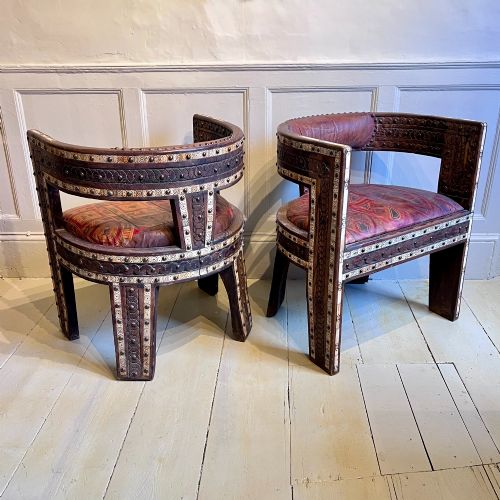
Domestic and ritual objects often display meticulous incisions and patination built up through years of handling and use. Structural items like chairs and doors combine sturdy framing with traditional joinery and carved ornamentation.
Vintage African Wood Carving Retail Price Guide 2026
Typical asking prices for vintage african wood carving among the pieces listed under this phrase on Sellingantiques today, from the lower quarter to the upper quarter. They describe what is for sale here now, not the wider market.
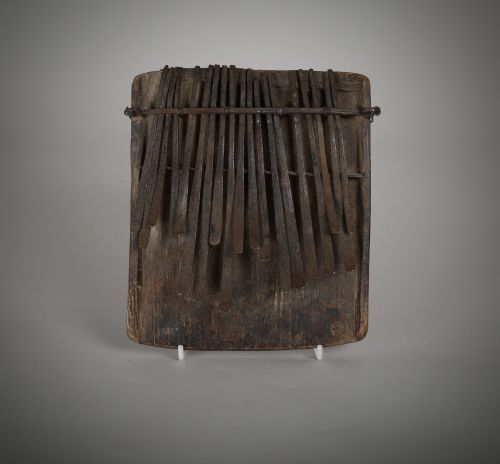
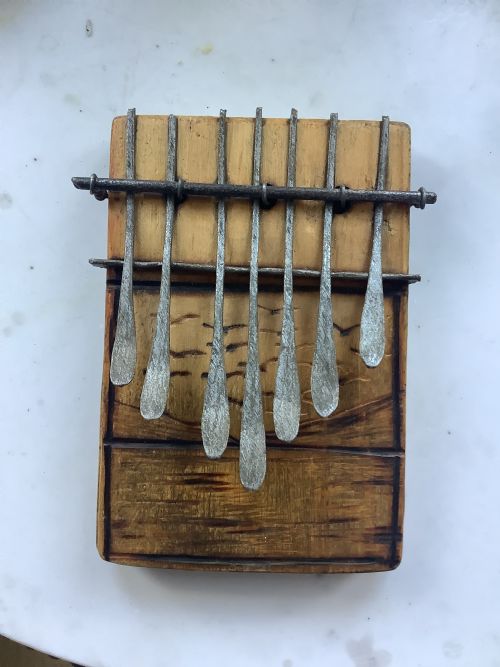
Among the musical instruments, a modest thumb piano shares space with fierce fighting clubs and delicate ceremonial spoons.
What varies in quality
The distinction between standard items and finer examples rests on the depth of carving, anatomical proportion, and the expressiveness of the form. Pieces intended for ceremonial use often exhibit superior attention to detail compared to routine domestic objects.
Surface character also dictates standing, where authentic handling wear, aged patination, and intact original pigments elevate the piece. The skill with which the artisan balanced symmetry and symbolic proportion separates ordinary items from exceptional works.
The Vintage African Wood Carving Glossary
- Hardwood
- Dense timber derived from broad-leaved trees, selected by carvers for its durability and fine grain. This material forms the foundation of most sculptural and functional items.
- Pigment
- Coloured powder mixed with a binder and applied to the surface of masks or figures. It highlights ritual markings and decorative motifs.
- Finial
- A decorative ornament fixed to the top of a staff, post, or ceremonial object. These carved elements often represent ancestral figures or symbolic animals.
- Patina
- The surface sheen and colour developed over decades through handling, exposure to elements, and ritual use. A genuine patina signals age and regular interaction with the object.
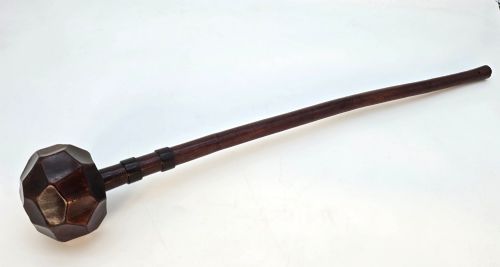
- Knobkerrie
- A traditional Southern African wooden club featuring a heavy knob at the striking end. These items served as throwing weapons, symbols of status, or walking sticks.
Vintage African Wood Carving: Frequently Asked Questions
What are vintage african wood carvings?
These objects comprise sculptural figures, masks, stools, and utilitarian items created by various African peoples using traditional woodworking methods.
They represent both daily life and ceremonial practices across different regions and historical periods.
How should I display a tribal mask or figure?
Place carvings away from direct sunlight and sudden temperature shifts to protect the dry timber and any applied pigments or bone elements.
Secure heavier items on stable mounts or flat surfaces where their sculptural forms can be viewed clearly from multiple angles.
How can I tell the age of these carvings?
Age is indicated by the type of tool marks left in the wood, the depth of the surface patina, and the degree of wear from handling.
Historical context regarding specific regional styles and documented tribal art periods also helps narrow down the date of creation.
Were these items made for daily use or ritual?
The inventory includes both functional domestic goods like stools, combs, and musical instruments, and sacred objects such as ritual masks and fertility figures.
Ceremonial pieces were typically reserved for specific cultural rites, whereas utilitarian items served practical purposes within the community.