


Vintage Adjustable Task Light
A vintage adjustable task light brings mechanical precision and honest materials to a desk, reading nook or workspace.
Vintage Adjustable Task Light
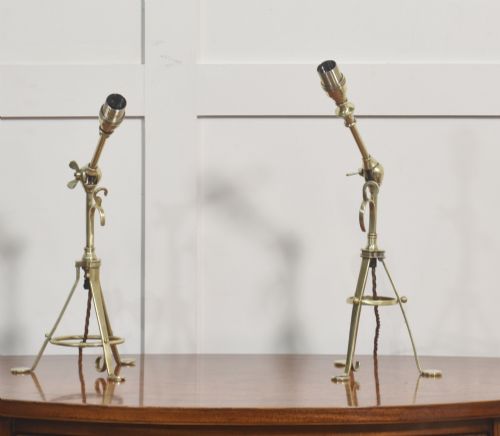
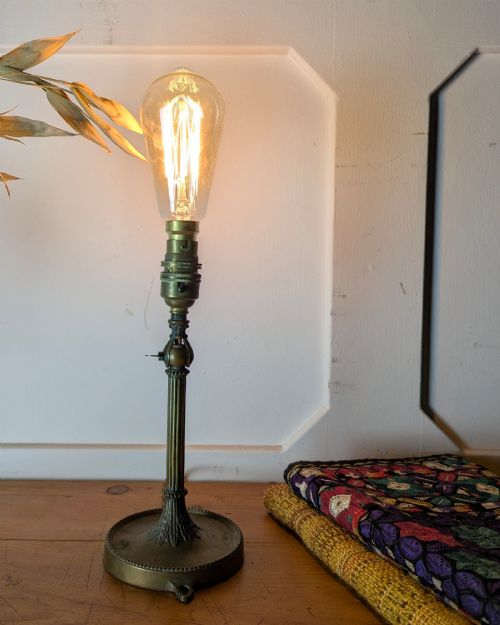
A vintage adjustable task light is typically a desk lamp, table lamp, or floor lamp engineered to direct illumination precisely where needed. These pieces emerge from periods spanning the nineteenth century through the nineteen-forties, including Edwardian, Art Deco, Arts and Crafts, and Mid-Century eras.
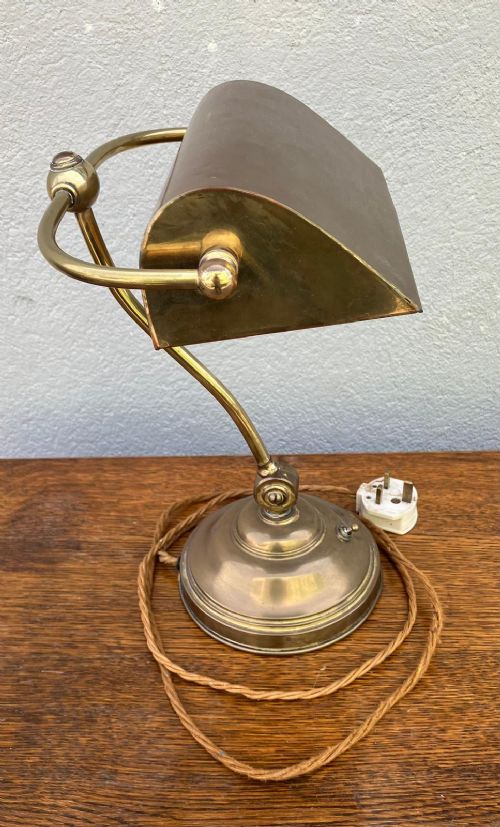
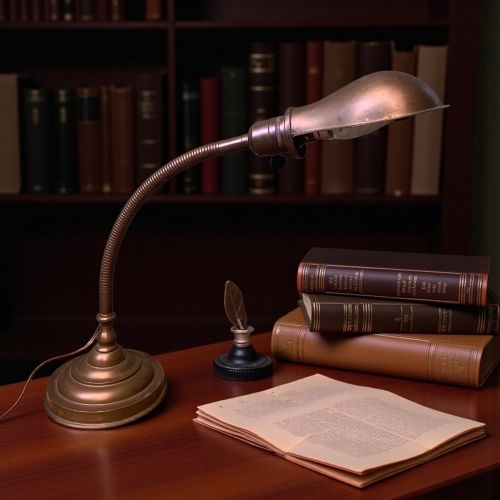
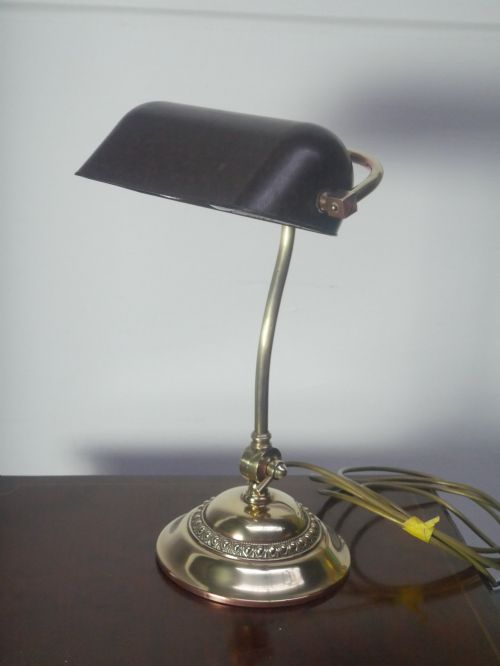
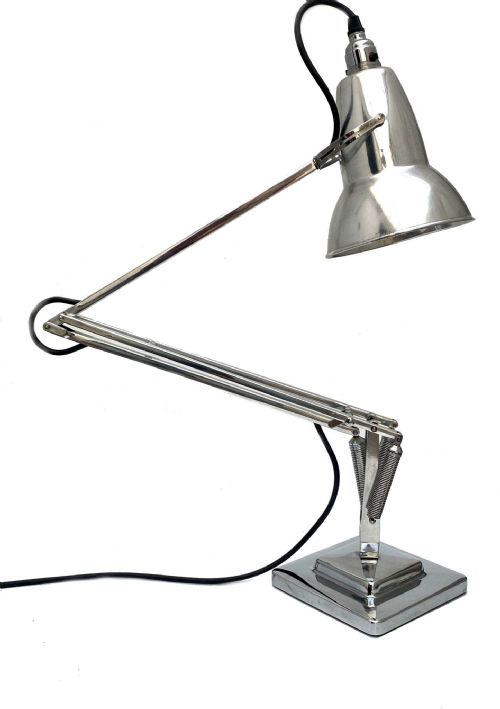
The most frequent examples found here are brass and chrome desk lamps featuring articulated arms, swan necks, or flexible stems. Forms range from utilitarian bankers lamps and notary lights to sophisticated French industrial designs and Bouillotte lamps with fabric or shell-shaped shades.
Origins vary across English, French, and general European workshops, encompassing diverse aesthetic movements from traditional Edwardian brass work to modernist Machine Age metalwork. Buyers select these lights for functional workspace illumination combined with strong period character.
Materials and construction
Construction relies heavily on metals such as brass, chrome, steel, cast iron, bronze, and copper, chosen for structural rigidity and durability. Joints, articulated arms, and weighted bases allow for smooth mechanical adjustment without tipping the fixture.
Shades incorporate contrasting materials including glass, fabric, tole, and porcelain to soften and direct the light output. Exposed fixings, riveted joints, and heavy cast bases reflect the industrial and domestic manufacturing standards of the early twentieth century.
Listings feature brass, chrome, steel, cast iron, bronze, glass, fabric, and porcelain across Edwardian, Art Deco, Arts and Crafts, and Victorian styles.
Judging quality and execution
Quality in a vintage adjustable task light rests on the integrity of its articulation and the weight of its components. Superior examples maintain tension effectively across joints and flexible tubes without sagging or slipping from position.
Finer pieces display careful finishing on metal surfaces, original shades of glass or porcelain, and maker signatures where applicable. Heavier cast iron bases and solid brass or chrome construction distinguish higher-tier production from lighter domestic alternatives.
W.A.S. Benson·Herbert Terry·Pirouette·Hawkins
The Vintage Adjustable Task Light Glossary
- Articulated arm
- A jointed metal arm designed to pivot and lock at various angles to direct light. This mechanism allows the user to extend or shorten the reach of the lamp.
- Swan neck
- A curved, flexible or fixed tubular metal neck resembling a swan's profile. It permits smooth directional adjustment of the lamp head.
- Bouillotte lamp
- A traditional table lamp featuring multiple light branches rising from a central column above a saucer-like base. They frequently include adjustable shades.
- Tole
- Painted or lacquered sheet metal used traditionally for lamp shades and containers. It provides a durable, opaque surface that directs illumination downward.
Vintage Adjustable Task Light: Frequently Asked Questions
What is a vintage adjustable task light?
A vintage adjustable task light is a mechanical desk or floor lamp designed to position illumination directly onto a workspace.
These lamps utilise articulating arms, swan necks, or flexible tubing to move the light source as required by the user.
How do I date a task light?
Dating relies on identifying materials, manufacturing techniques, and stylistic markers such as Edwardian brass work or Art Deco chrome.
Examining switches, flex types, and base construction helps narrow down the decade of production between the nineteenth century and the nineteen-forties.
Are these lamps safe for daily use?
Many vintage lamps utilise metal bodies and original switches that may require professional rewiring to meet modern safety standards.
An electrician can easily update internal wiring while preserving the exterior brass, bronze, or chrome components.
Which materials are most common?
Brass, chrome, steel, and bronze dominate the construction of these adjustable fixtures, often paired with heavy cast iron bases.
Shades are frequently formed from glass, porcelain, fabric, or painted metal to complement the metallic frames.