

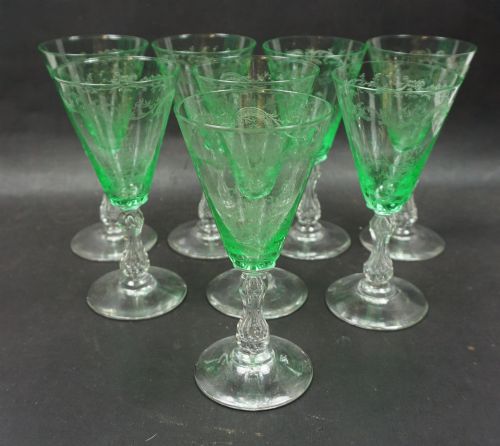
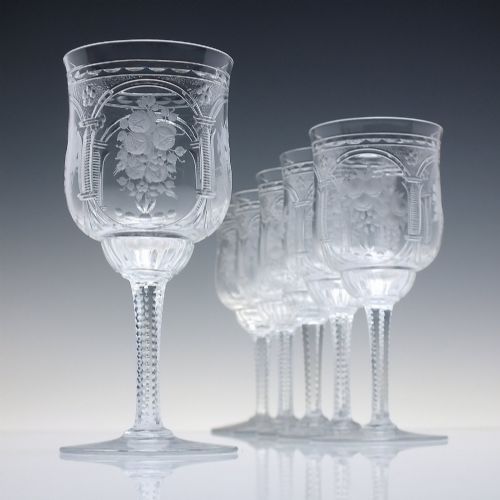
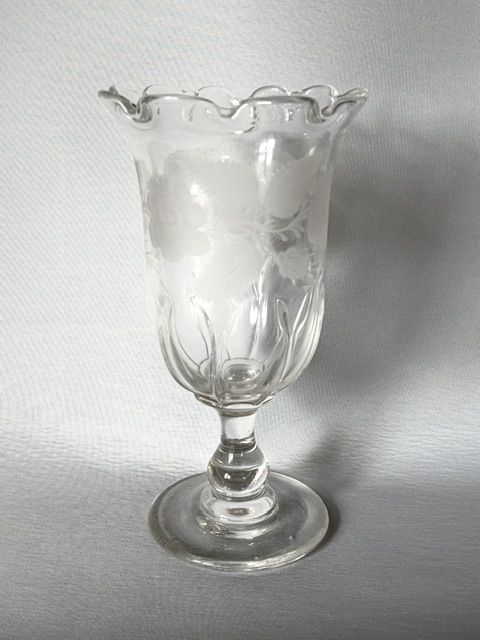
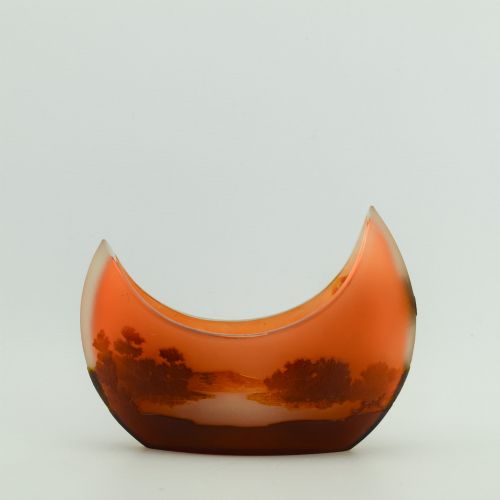


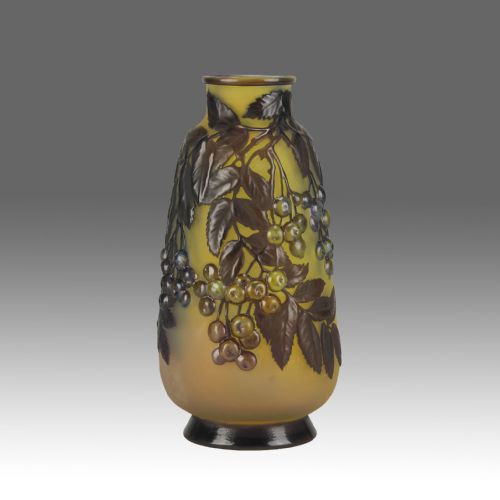


Vintage Acid Etched Glass
These vintage acid etched glass pieces bring tactile depth and historic character to any room through frosted motifs and layered designs.
Vintage Acid Etched Glass
When you search for vintage acid etched glass, you encounter everything from delicate Victorian wine glasses to large pub mirrors and Art Nouveau vases. The selection ranges widely across decorative and functional objects produced from the nineteenth century into the mid-twentieth century.
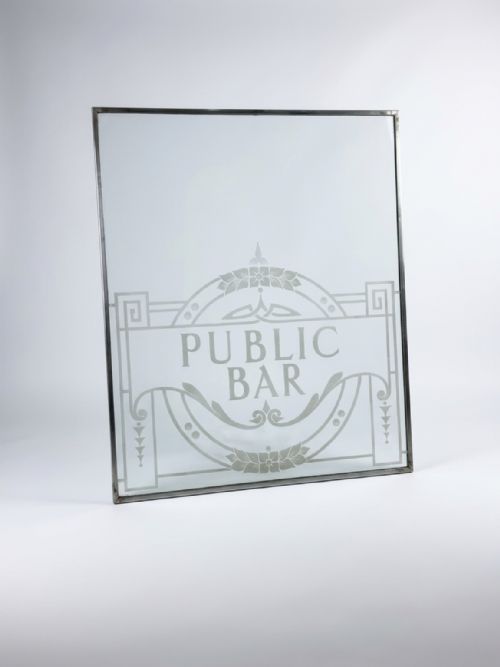
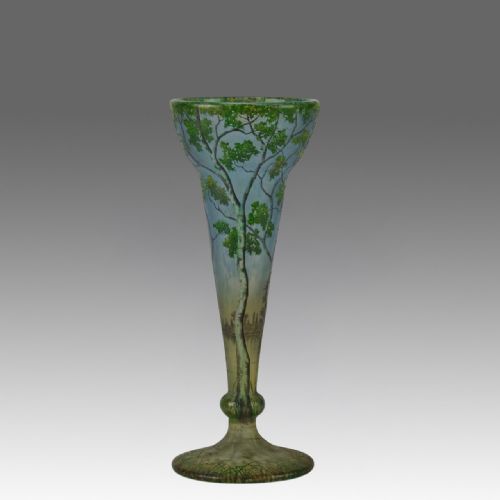
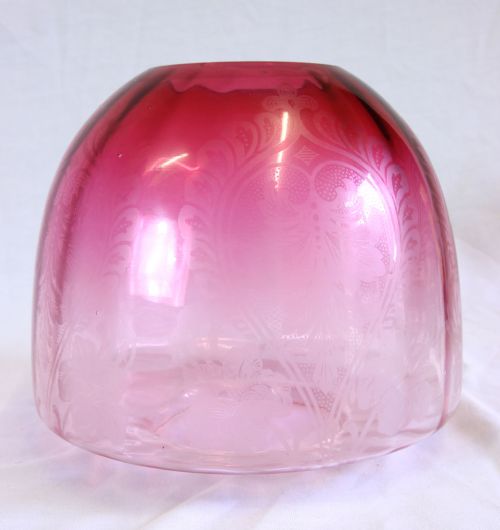
Vases and lamp shades dominate the forms you meet on this page, alongside architectural salvage like pub windows. These items span Victorian, Edwardian, Art Nouveau, and Art Deco styles, reflecting shifts in taste across multiple decades.
Makers such as Gallé, Daum Frères, and Thomas Webb & Sons appear frequently among the pieces. Buyers find both English tablewares and continental studio works represented in the inventory.
How they were made
Artisans utilised hydrofluoric acid to eat away exposed areas of the material, creating frosted surfaces and recessed designs. This chemical process allowed makers to achieve intricate patterns that mechanical cutting could not easily replicate.
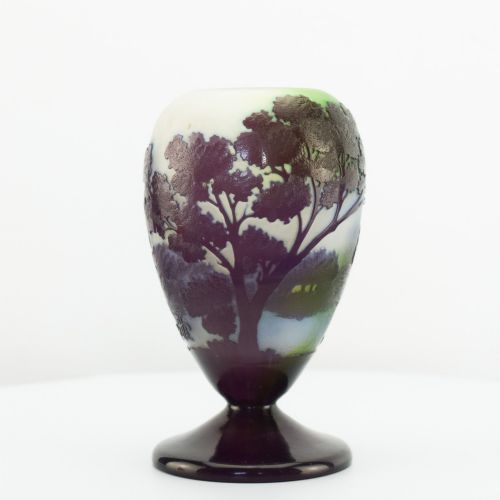
Many items combine acid treatment with cameo layering, where multiple coloured glass layers are partially dissolved to reveal contrasting backgrounds. Lead crystal and clear glass serve as the base for much of the tableware and decorative vessels.
Vintage Acid Etched Glass Retail Price Guide 2026
Typical asking prices for vintage acid etched glass among the pieces listed under this phrase on Sellingantiques today, from the lower quarter to the upper quarter. They describe what is for sale here now, not the wider market.
Several items survived decades in British pubs before finding their way onto the market.
What varies in quality
Depth of the chemical bite and clarity of the motif distinguish standard production from exceptional studio outputs. Multi-layered cameo pieces require precise control during the acid application to maintain clean colour boundaries.
The reputation of the maker and the complexity of the design shape the standing of each piece. Intricate naturalistic scenes on cameo glass represent a higher tier of workmanship than simple repeated geometric patterns.
Gallé·Daum Frères·Thomas Webb & Sons·Stevens & Williams·Le Verre Francais·Jean Luce·Legras·Schneider·Riihimaki
The Vintage Acid Etched Glass Glossary
- Acid-Etched Glass
- Glass decorated by applying hydrofluoric acid to eat into the surface. This technique produces matte, frosted designs or deep relief patterns depending on the exposure time.
- Cameo Glass
- Glass vessels created with multiple fused layers of different colours. Acid treatment or carving removes parts of the outer layer to expose the contrasting background.
- Lead Crystal
- Glass containing metallic oxides that increase weight and brilliance. It provides a heavy, resonant base suitable for deep etching and cutting.
- Frosted Glass
- Glass treated to diffuse light and create a semi-opaque appearance. Acid etching serves as a primary method for achieving this matte texture.
Vintage Acid Etched Glass: Frequently Asked Questions
How do I clean acid etched glass?
Wash pieces gently in lukewarm water using a mild, non-abrasive detergent. Avoid harsh scrubbing brushes that might scratch the frosted or raised surfaces.
Dry the item immediately with a soft, lint-free cloth to prevent water spots from forming on the delicate textured areas.
How can I date vintage etched glass?
Examine the stylistic markers, such as floral Art Nouveau curves or geometric Art Deco lines. Maker signatures and registry marks also help pinpoint the production era.
The weight, material composition, and manufacturing method further indicate whether an item originates from the Victorian period or later decades.
Where were these glass items made?
The pieces originate from various European centres, including English glasshouses and prominent French studios. Makers across Britain and the continent produced these items for domestic and commercial interiors.
Regional workshops developed distinct approaches to acid treatment, resulting in diverse national styles.