


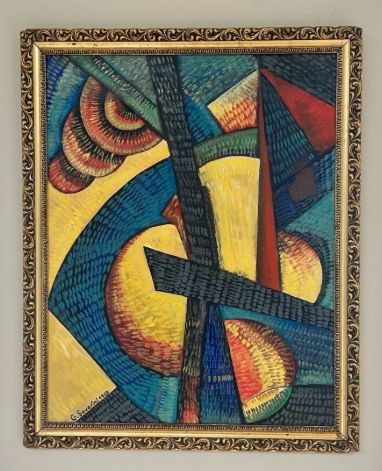


Vintage Abstract Artwork
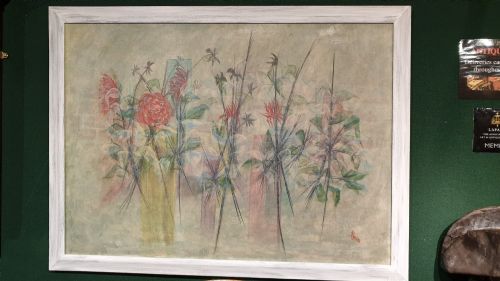
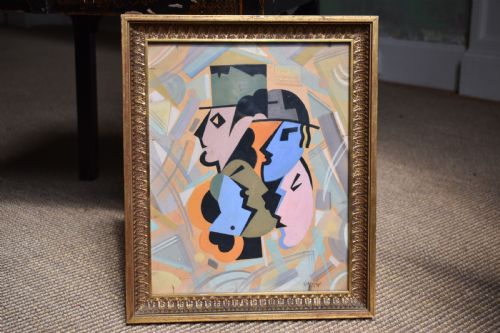
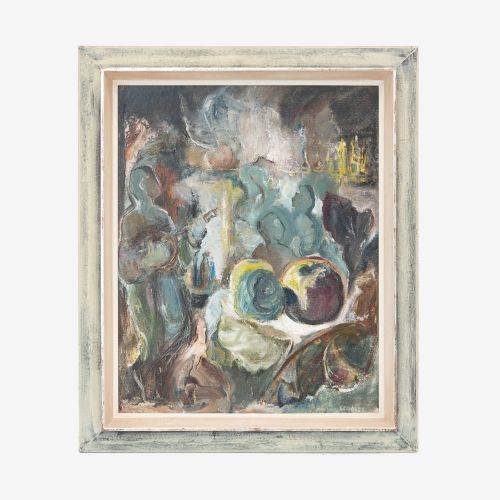
These vintage abstract artwork pieces offer mid-century modernism and expressionism, capturing mid-century interior spaces through bold paint application.
Vintage Abstract Artwork
When hunting for vintage abstract artwork, buyers encounter mid-century paintings spanning the 1920s through the 1960s. These works include oil paintings, watercolours, ink drawings, and framed art prints originating from British and European artists.
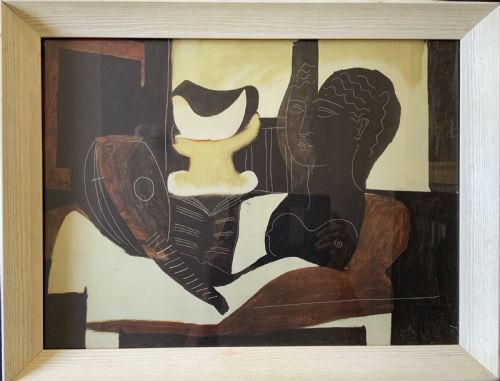
The selection ranges from cubist interior scenes and abstract landscapes to bold geometric compositions and still lifes. Many pieces reflect established movements such as the St Ives School and Abstract Expressionism.
Framed canvases and boards dominate the selection, offering substantial wall art for domestic interiors. Artists from this era experimented freely with form, reducing subjects like figures and landscapes to planes and textures.
How they were made
Artists painted primarily using oil, acrylic, or gouache on supports such as stretched canvas, wooden board, heavy paper, and glass. Impasto techniques appear frequently, building thick, tactile surfaces of pigment that catch the light.
Makers utilised mixed media, woodcut printing, and ink drawing alongside traditional oil painting. Canvases are typically housed in period wood frames that complement the modernist compositions.
Cats occasionally walked across drying studio floors, leaving permanent paw prints beneath layers of mid-century oil.
What varies in quality
The distinction between standard works and masterpieces rests upon the confidence of the brushwork and the harmony of the palette. Stronger pieces demonstrate purposeful composition and distinct stylistic maturity rather than mere decorative repetition.
Provenance and documented association with recognised modernist groups elevate certain works above anonymous studio pieces. The physical preservation of the canvas and the originality of the frame also influence the overall standing of an artwork.
Pablo Picasso·Lilian Colbourn·Denis Mitchell·Raymond Picque·William Littlejohn
The Vintage Abstract Artwork Glossary
- Impasto
- A technique where paint is laid onto a canvas in very thick layers, usually thick enough that the brush and palette-knife strokes are visible. This method adds tangible physical depth and texture to a surface.
- Cubism
- An early-twentieth-century style of art in which objects are analysed, broken up and reassembled in an abstracted form. Instead of depicting objects from one viewpoint, the artist portrays the subject from a multitude of angles.
- Expressionism
- A modernist movement where artists sought to express emotional experience rather than physical reality. Works in this style typically feature distorted forms and vibrant, non-naturalistic use of colour.
- Gouache
- A water-based paint consisting of pigment and other inert materials designed to be opaque. It dries to a flat, velvety finish that absorbs light rather than reflecting it.
Vintage Abstract Artwork: Frequently Asked Questions
What defines a mid-century abstract painting?
Mid-century abstract paintings break away from traditional representation, focusing instead on colour, line, and texture to convey mood or form. Artists during this period reduced landscapes, figures, and interiors into geometric planes or expressive gestures.
These works often emerge from specific twentieth-century movements like cubism, expressionism, and the St Ives School. They rely on the physical qualities of oil paint or mixed media to create dynamic visual compositions.
How do I hang a framed oil painting safely?
Heavy oil paintings on canvas require secure wall fixings suited to the weight of the wooden frame and the support board. Use picture hooks rated for the specific weight and anchor them firmly into wall studs or solid masonry.
Position the artwork away from direct sunlight and fluctuating heat sources to protect the canvas and pigment. Ensure the hanging wire and D-rings on the reverse of the frame are robust and properly secured.
How can I tell the period of an artwork?
The period is often indicated by the materials, framing style, and signature techniques characteristic of mid-century artistic movements. Examining the stretcher bars, canvas type, and any inscriptions or labels on the reverse provides further chronological clues.
Stylistic markers such as the bold palettes of the nineteen-fifties or the geometric rigidity of nineteen-twenties cubism help narrow down the date of creation. Comparing the hand of the artist with documented periods of their output confirms the timeline.
What is the difference between canvas and board supports?
Canvas is a flexible woven fabric, typically linen or cotton, stretched tightly over a wooden frame before painting. It yields slightly to the touch and offers a textured weave that interacts with layers of oil paint.
Board provides a rigid, inflexible flat surface made from wood or heavy paper pulp. Artists working in the mid-century often favoured board for its stability and smooth resistance under palette knives and heavy impasto.