

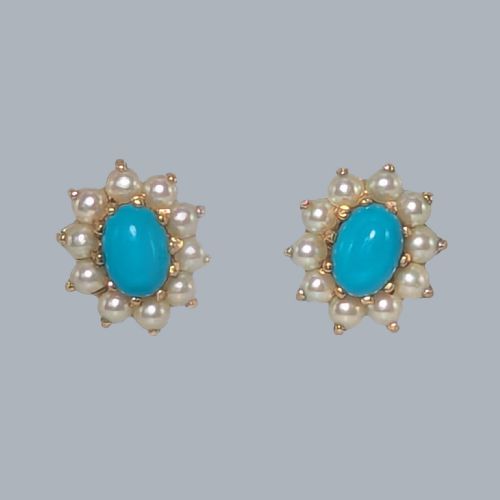


Vintage 9ct Studs
These vintage 9ct studs bring together decades of coloured stones and warm gold in small earrings you can wear every day.
Vintage 9ct Studs
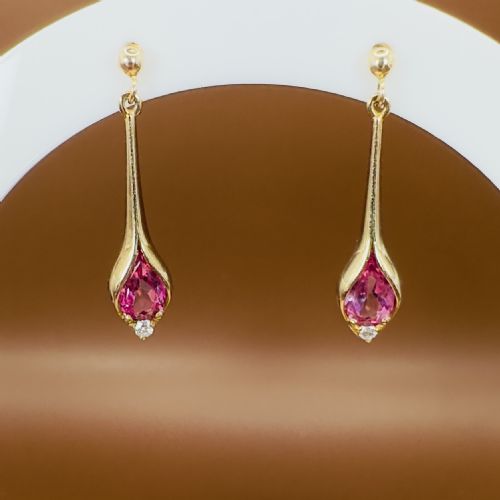
When you search for vintage 9ct studs, you find small earrings made from nine-carat gold, including simple studs, clusters, and drop designs. The selections span from the Victorian and Edwardian eras through to the mid-century decades of the 1950s and 1960s.
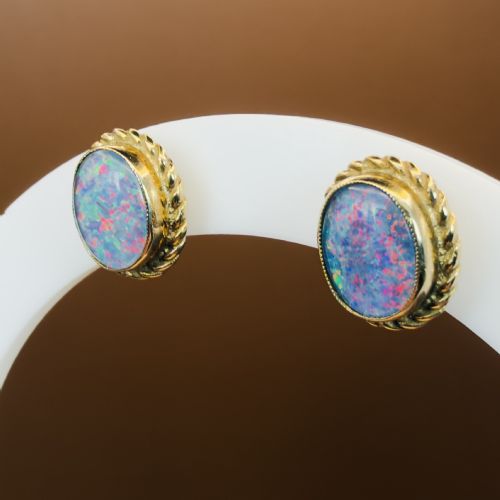
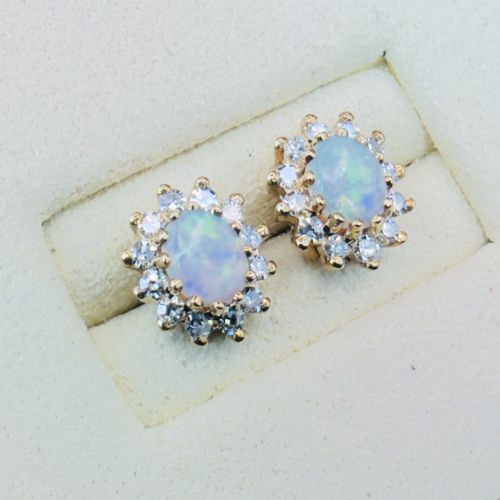
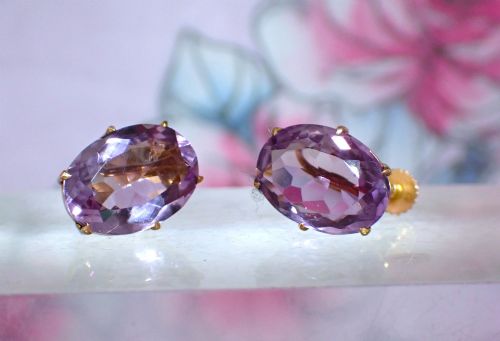
You meet a variety of gemstone settings here, with garnets, opals, amethysts, and pearls appearing most frequently alongside diamonds and turquoise. The gold itself shifts in tone from classic yellow to white and rose gold depending on the period of manufacture.
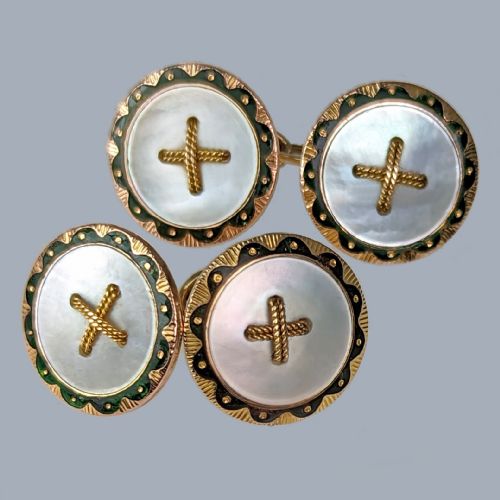
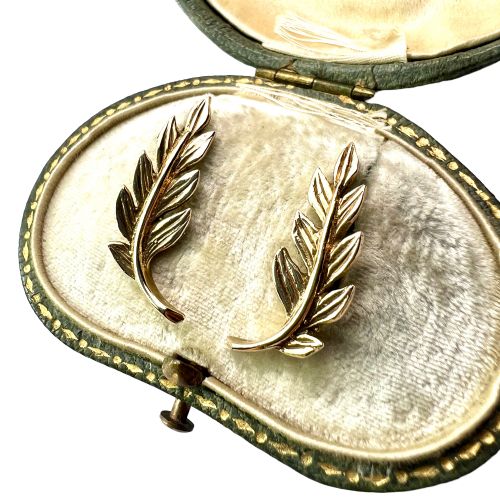
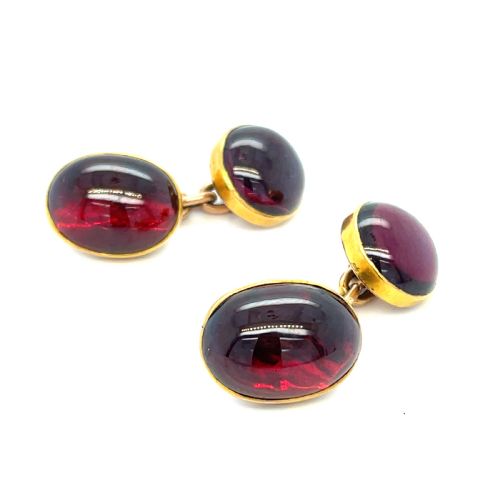
Most items take the form of traditional post studs, though screw-back and clip-on fastenings surface regularly among the earlier twentieth-century pieces. Cufflinks also appear in the metal and stone combinations typical of these historical periods.
How they were made
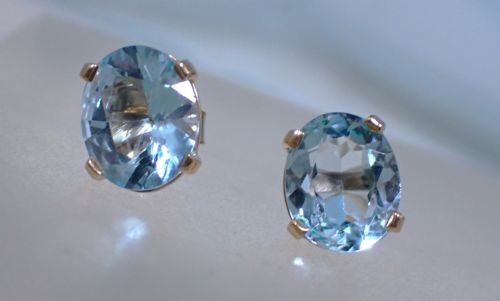
Goldsmiths shaped nine-carat gold into settings using traditional casting, wirework, and filigree techniques to hold the stones securely. Stones are cut in cabochon, oval, facet, and pear shapes, then mounted in bezels, claws, or cluster arrangements.
Earlier pieces from the Victorian and Edwardian periods often employ hand-carved mounts and screw mechanisms, while mid-century examples show cleaner geometric lines and structured cluster designs.
Listings feature nine-carat gold paired with amethyst, garnet, opal, and pearl across Victorian, Edwardian, and mid-century periods.
What varies in quality
The standard of a pair rests upon the symmetry of the stones, the crispness of any stamped hallmarks, and the weight of the gold used in the mount. Stronger claws and thicker metal plates provide better longevity for daily wear.
Natural variations in organic gems like pearls, opals, and amber mean that stones with lively play of colour or clean polish command greater attention from collectors than dull or heavily included examples.
Solomon Blanckensee Son
The Vintage 9ct Studs Glossary
- Cabochon
- A gemstone shaped and polished with a smooth, convex top rather than faceted edges. This style is common in vintage opals, garnets, and turquoises.
- Hallmark
- An official stamp struck into precious metals indicating the purity of the gold and the assay office. British items often display specific marks for purity and date.
- Cluster
- An arrangement of smaller gemstones gathered tightly around a central stone. This technique maximises the visual impact of coloured stones and diamonds.
- Doublet
- A composite gemstone made of two joined sections, frequently seen in opal pieces where a thin slice of precious opal is backed with a darker material.
- Filigree
- Delicate ornamental work made from fine gold wire twisted and soldered into openwork patterns. It adds intricate texture to Victorian and mid-century mounts.
Vintage 9ct Studs: Frequently Asked Questions
How do I clean vintage 9ct studs?
Wash them gently in warm soapy water using a soft cloth, avoiding harsh chemical dips that can damage softer stones like pearls or opals.
Dry them thoroughly before storing them separately to prevent scratching the gold surfaces or softer gems.
Are these earrings comfortable for daily wear?
Most post studs sit closely against the earlobe and remain comfortable throughout the day. Screw-back and clip-on styles offer alternatives if your ears are not pierced.
Heavier drop designs and large clusters require slightly more care during daily activities to avoid catching on clothing.
How can I tell the age of the studs?
Hallmarks stamped on the metal provide the most reliable guide to the year and place of manufacture. Stylistic clues such as filigree work, screw fastenings, and specific gemstone cuts also point to Victorian, Edwardian, or mid-century origins.
What does nine-carat gold mean?
Nine-carat gold contains thirty-seven point five percent pure gold alloyed with other metals like silver and copper to increase durability. This alloy offers a sturdy material well suited to intricate jewellery and everyday items.