

Vintage 18th Century Dresser
A vintage 18th century dresser provides enduring utility and grounded period character to an interior.
Vintage 18th Century Dresser
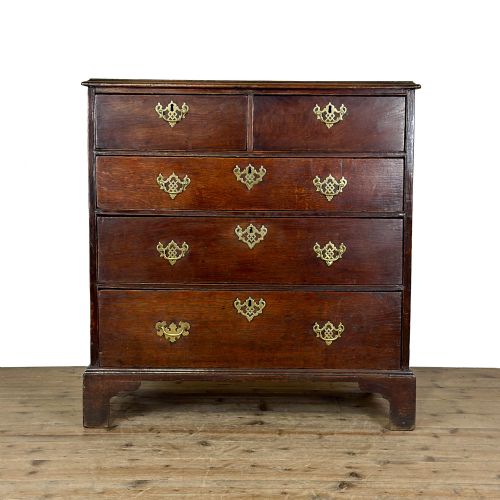
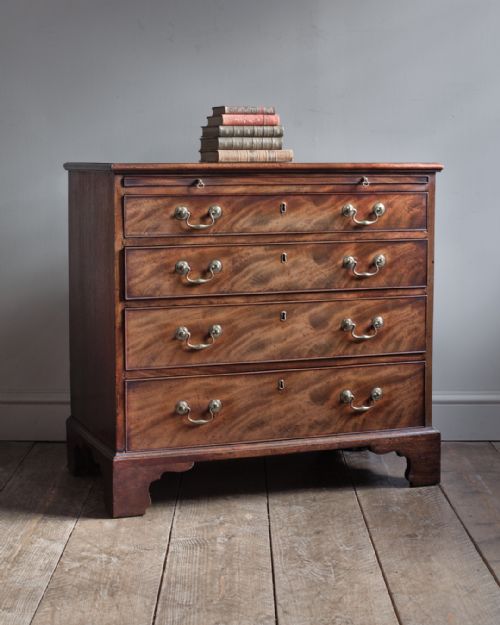
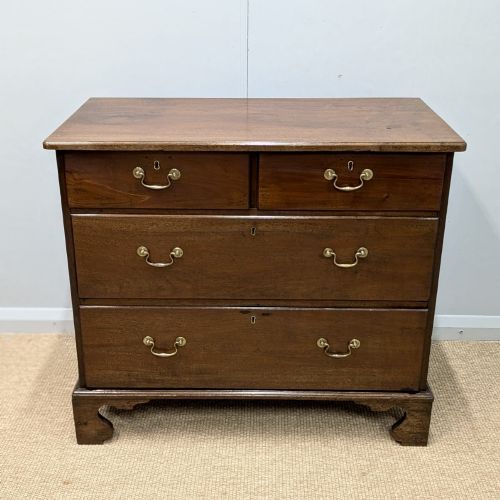
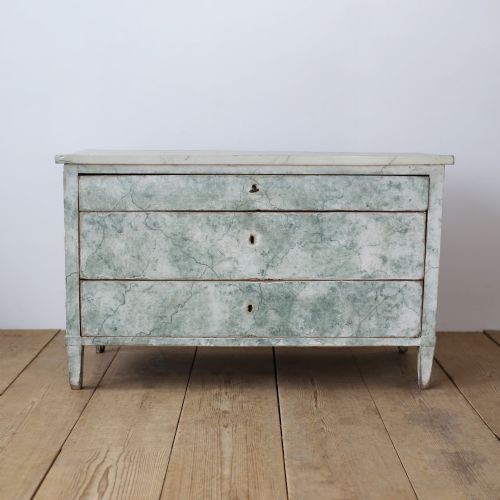
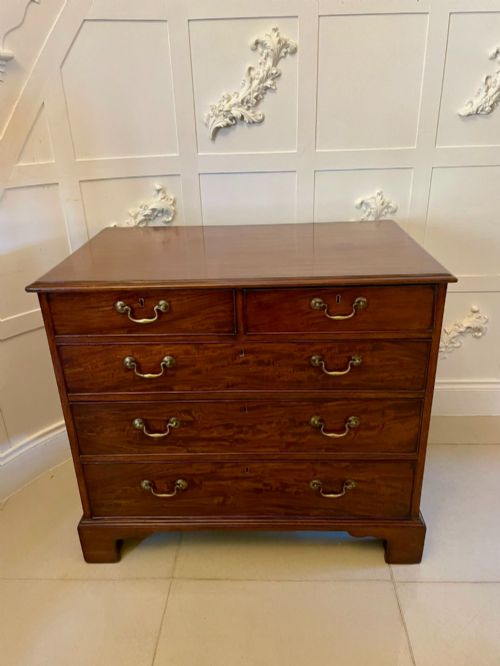
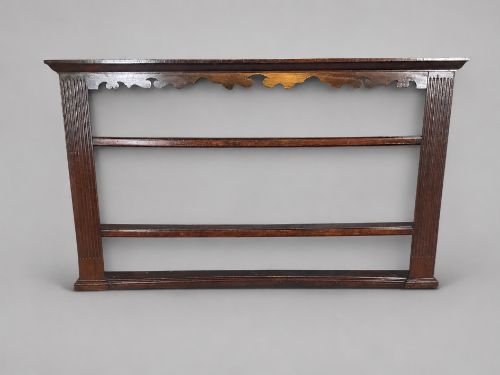
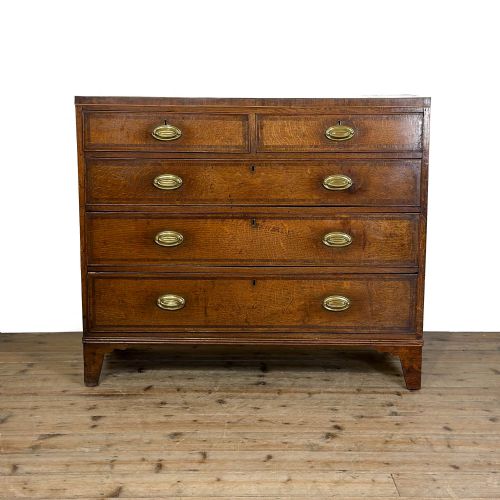
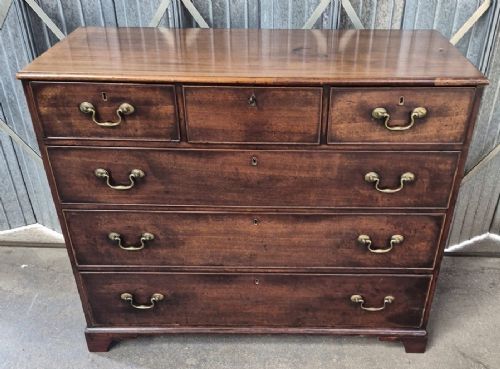
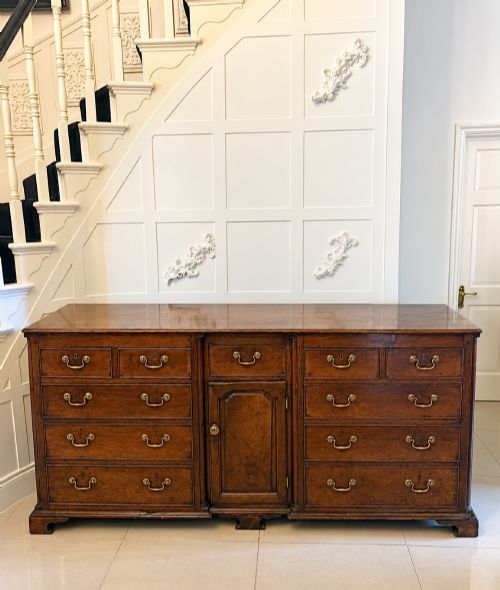
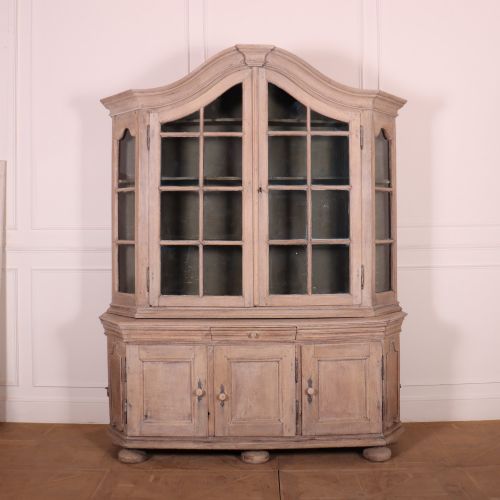
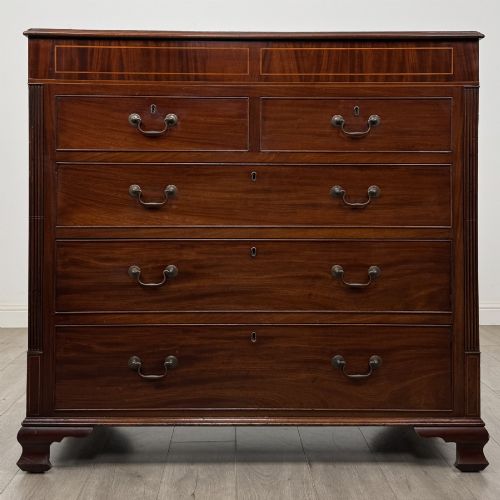
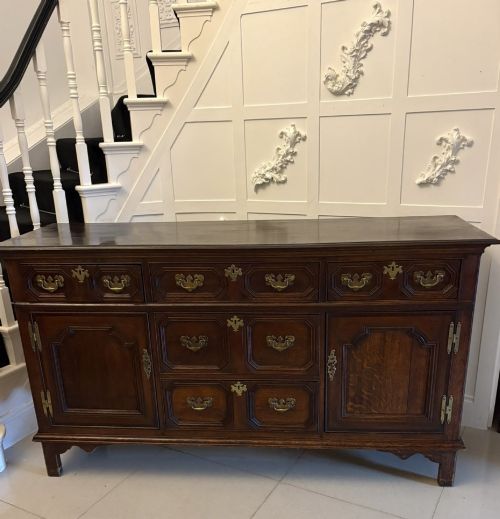
A vintage 18th century dresser encompasses robust oak dresser bases, fitted plate racks, and refined mahogany chests of drawers. These utilitarian forms served domestic storage needs in country houses and town residences alike.
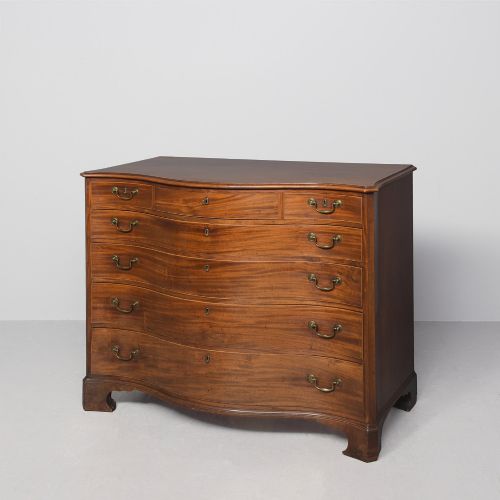
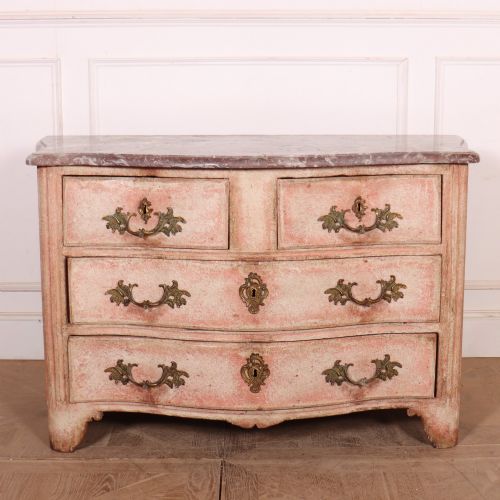
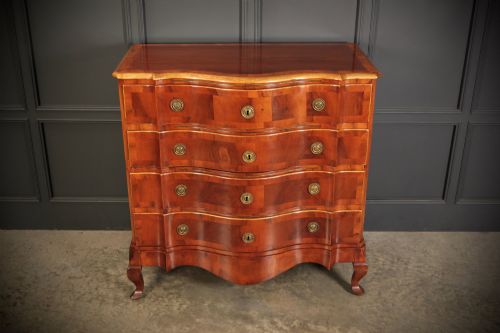
The pieces appearing most frequently on this page combine the utilitarian practicality of oak and walnut with the formal lines of the Georgian period. Buyers encounter everything from country Welsh iterations with open plate racks to formal serpentine commodes.
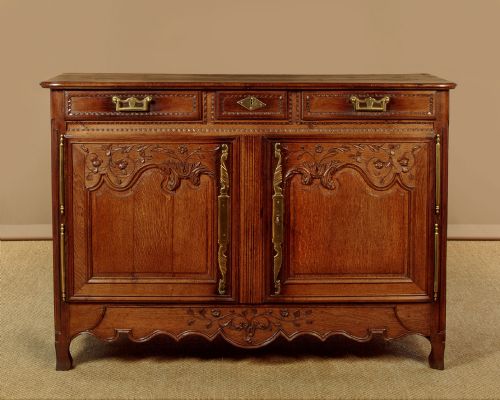
Regional variations span English country workshops, French provincial centres, and German cabinetmakers. Each piece reflects the domestic habits and material availability of its specific geographic origin.
How They Were Made
Cabinetmakers utilised solid timbers including oak, mahogany, and walnut, often applying burr walnut veneer or kingwood for decorative surfaces. Iron and brass hardware provided structural reinforcement and operational pulls.
Construction techniques relied on hand-cut dovetails for drawer boxes and pegged mortise and tenon joints for frames. Surfaces received hand-applied finishes, polish, or historic paint layers that accrued patination over generations.
Vintage 18th Century Dresser Retail Price Guide 2026
Typical asking prices for vintage 18th century dresser among the pieces listed under this phrase on Sellingantiques today, from the lower quarter to the upper quarter. They describe what is for sale here now, not the wider market.
Mischievous mice occasionally left behind chewed corners inside deep bottom oak drawers, whispering tales of long-ago larders.
What Varies in Quality
The standard of timber selection and the integrity of the original construction differentiate examples across the range. Superior pieces retain their original unblemished veneers, dense primary woods, and unmodified hardware.
Proportion and decorative restraint dictate the distinction between provincial utility and high-style cabinet work. Details such as serpentine drawer fronts, complex marquetry, and integrated brushing slides elevate the sophistication of the form.
The Vintage 18th Century Dresser Glossary
- Brushing slide
- A pull-out shelf integrated above the top drawers used for writing or folding garments. This addition adds considerable utility to formal chests.
- Serpentine
- A furniture front characterised by a wavy contour with a convex centre flanked by concave curves. This shaping demands advanced joinery skill.
- Plate rack
- An open shelving superstructure mounted to a dresser base or wall for displaying ceramic plates and platters. These racks define traditional country dining spaces.
- Marquetry
- Inoperative decorative veneer work forming pictorial or geometric patterns using various coloured woods. This technique demonstrates high-status European craftsmanship.
- Tallboy
- A tall chest of drawers constructed in two stacked sections, typically combining a chest on a chest or stand. The form maximises storage while occupying a minimal floor footprint.
Vintage 18th Century Dresser: Frequently Asked Questions
How do I care for an oak dresser?
Maintain stable indoor humidity levels and keep wooden surfaces away from direct heat sources to prevent timber splitting.
Apply traditional beeswax periodically to nourish the historic grain and preserve the surface patination.
What is a brushing slide used for?
This pull-out shelf served as a convenient writing surface or temporary resting place for garments during dressing routines.
Its presence often indicates a piece intended for a principal bedroom or formal parlour.
Where were these dressers made?
Workshops across England, France, and Germany produced these utilitarian and formal storage items using locally sourced timbers.
Regional preferences dictated whether oak, walnut, or mahogany predominated in the final construction.
How do I distinguish walnut from mahogany?
Walnut displays a rich, warm brown tone with distinct grain figuring and occasional burl patterns common in earlier pieces.
Mahogany typically exhibits a denser, reddish-brown hue that responds well to traditional hand-polishing techniques.