


Vintage 15ct Gold
Vintage 15ct gold brings a distinctive rich tone and historical weight to rings, pendants, and brooches crafted before the standardisation of lower purities.
Vintage 15ct Gold
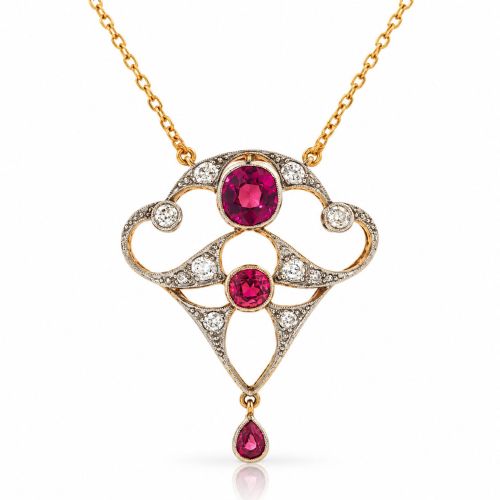
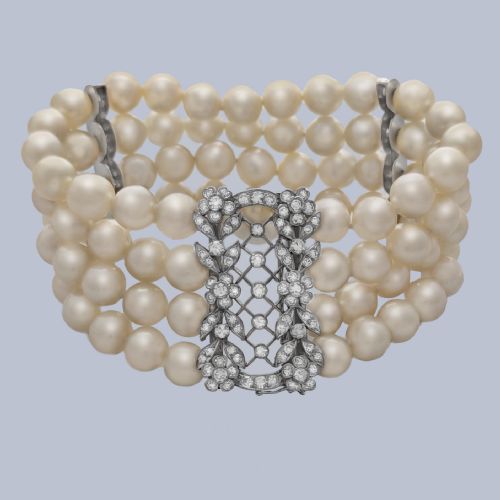
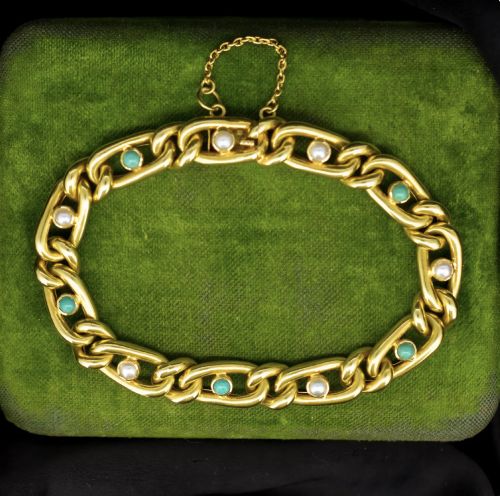
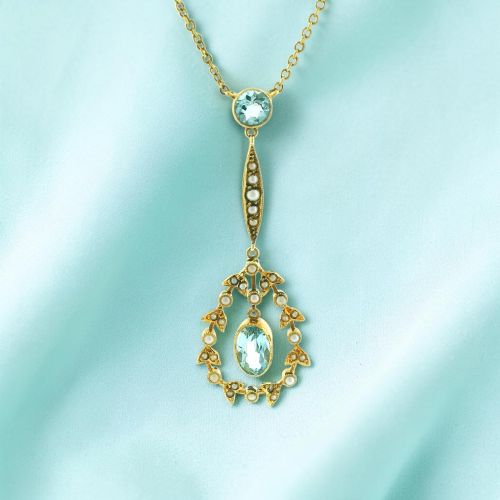
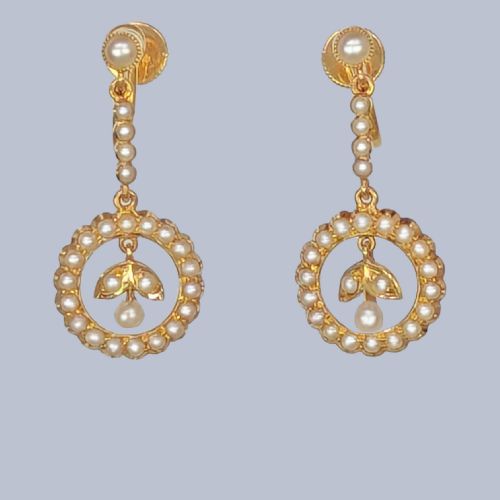
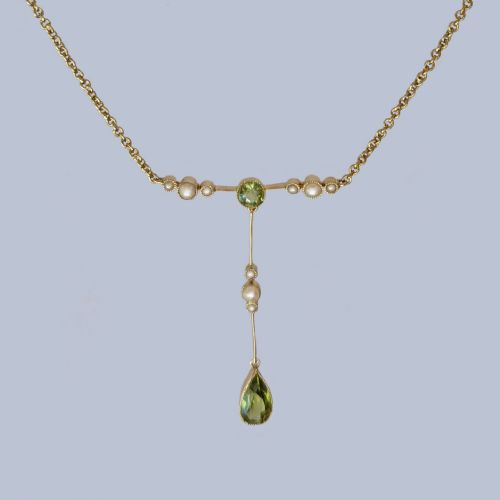
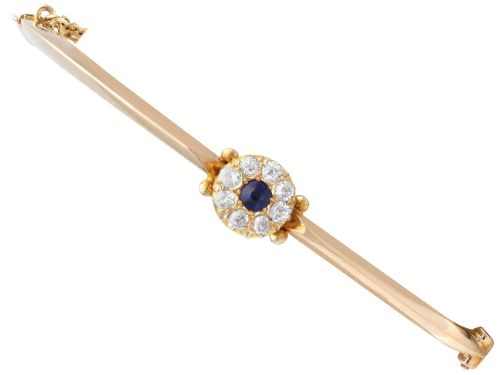
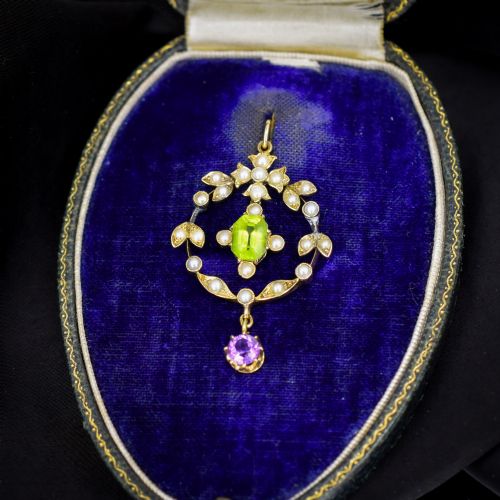
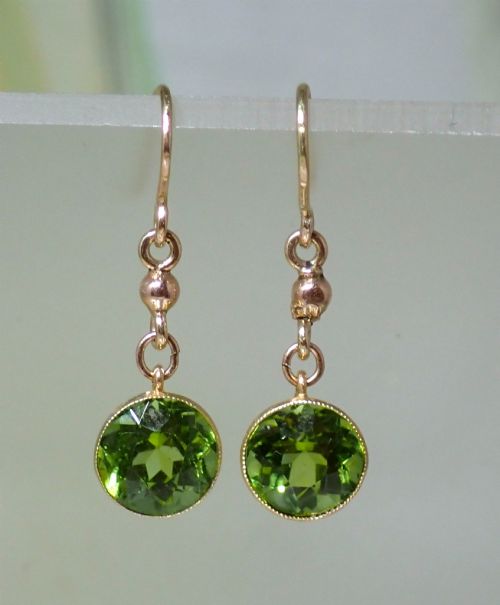
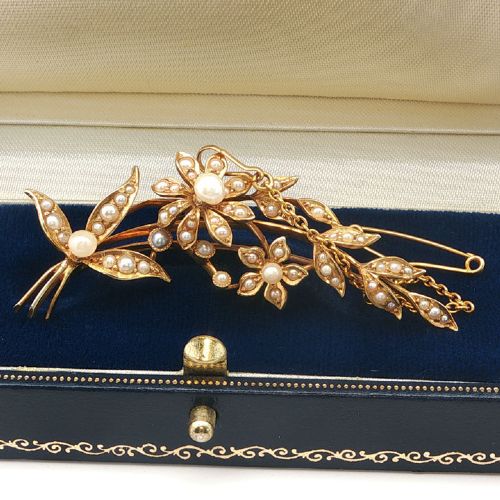
The objects span functional items like longuard chains and Albert watch chains alongside purely decorative pieces such as flower spray brooches and drop earrings. Gemstones set into these mountings include seed pearls, amethysts, peridots, aquamarines, and diamonds, often arranged in symmetrical clusters or flowing organic lines. The presence of 15ct yellow gold provides a warmer, deeper hue than modern nine-carat alternatives.
Materials and construction methods
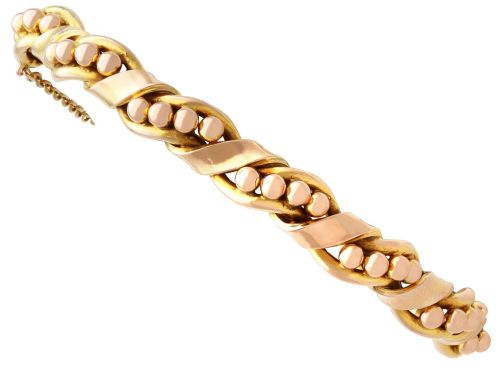
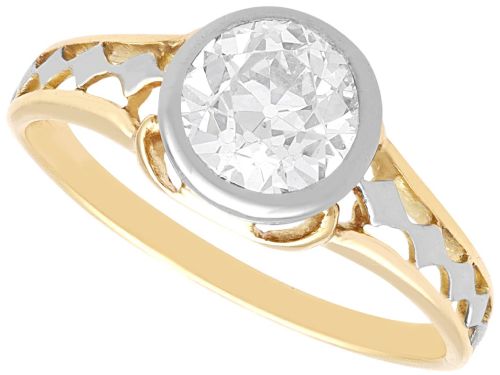
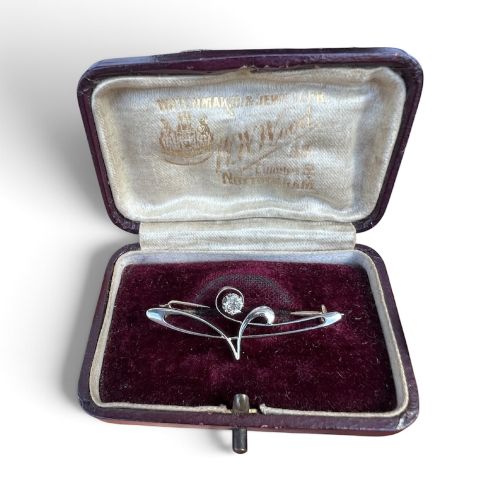
The material basis of these items relies on the 15-carat gold alloy, which contains a higher proportion of pure gold than modern common standards, yielding a characteristic rich yellow colour. Workshops combined this metal with platinum in later Edwardian designs to provide a secure, bright white setting for diamonds. Cast and engraved components formed the structural basis for bangles, lockets, and cross pendants.
Gemstone setting techniques from the period involved meticulous handiwork, including grain-setting for seed pearls and bezel or claw-settings for larger stones like amethysts and aquamarines. Fine granulation, wirework, and repoussé detailing frequently adorn brooches and pendants, demonstrating the manual dexterity applied by period artisans.
Vintage 15ct Gold Retail Price Guide 2026
Typical asking prices for vintage 15ct gold among the pieces listed under this phrase on Sellingantiques today, from the lower quarter to the upper quarter. They describe what is for sale here now, not the wider market.
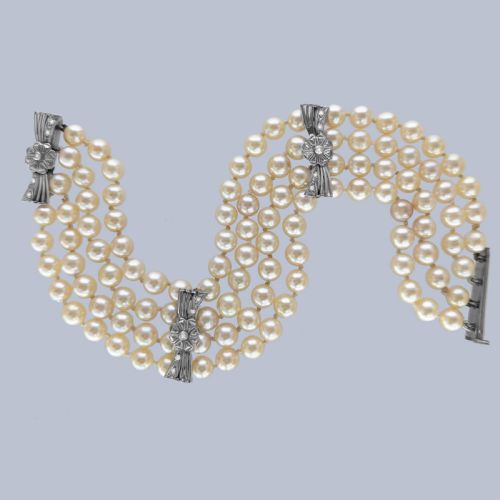
Listings feature items from the Victorian, Edwardian, and mid-twentieth century periods, incorporating 15ct yellow gold, white gold, platinum, pearls, and diamonds.
Distinctions in quality
Quality in these pieces is dictated by the crispness of hand-engraving and the structural integrity of delicate elements such as seed pearl settings and claw-set stones. Superior examples maintain the original sharpness of their decorative motifs without thinning of the gold band or hollow sections due to wear.
The selection of matched, uniform pearls and well-saturated gemstones distinguishes finer jewellery from more standard production. Hallmarking clarity and the retention of original components, such as clasp mechanisms or safety chains, further define the standing of individual items.
Murrle Bennett
The Vintage 15ct Gold Glossary
- Lavalier
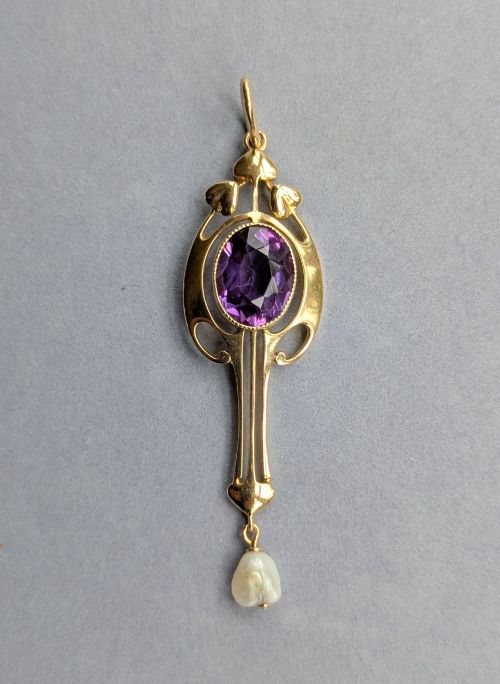
- A pendant featuring a primary gemstone suspended from a chain, often with secondary drops hanging below in an asymmetric or flowing design popular during the Edwardian era.
- Seed Pearl
- Very small, naturally occurring or early cultured pearls utilised in tight clusters or thread-set rows to create delicate floral and geometric patterns.
- Albert Chain
- A substantial chain historically attached to a pocket watch, worn across a waistcoat or adapted as a necklace with dog clips and bolt rings.
- Longuard Chain
- An extra-long chain designed to be doubled around the neck, frequently equipped with a swivel clasp for suspending watches, lockets, or fob seals.
- Repoussé
- A metalworking technique where the design is hammered into relief from the reverse side, creating three-dimensional ornamentation on lockets and brooches.
Vintage 15ct Gold: Frequently Asked Questions
How do I care for vintage 15ct gold jewellery?
Clean these items gently using warm soapy water and a soft brush, avoiding harsh chemical dips that can damage soft gems like pearls and opals.
Store pieces individually in soft pouches to prevent scratching between harder stones like diamonds and softer gold components.
Can I wear a 15ct gold ring every day?
Fifteen-carat gold is durable enough for regular wear, though older rings with delicate settings or seed pearls require mindfulness during manual tasks.
Have a jeweller check the claw settings periodically to ensure stones remain secure in their original mountings.
What is the difference between Victorian and Edwardian styles?
Victorian pieces often display heavier, more substantial constructions with sentimental motifs like snakes, lockets, and deep engraved crosses.
Edwardian designs transition into lighter, airier compositions utilising platinum, diamonds, peridots, and flowing Art Nouveau lines.
How can I identify 15ct gold items?
Look for British hallmark stamps showing the 0.625 or 15ct designation, often accompanied by crown or assay office marks specific to the period.
The colour is typically warmer and richer than modern nine-carat gold due to the higher gold content within the alloy.