

Vienna Cold Paint
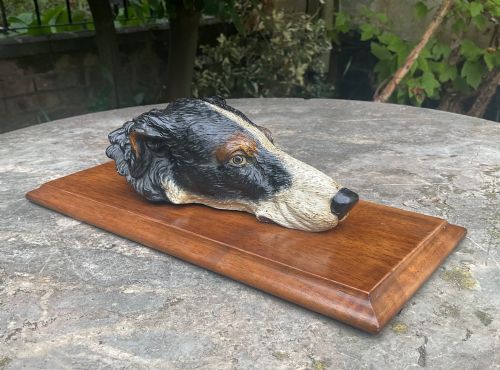
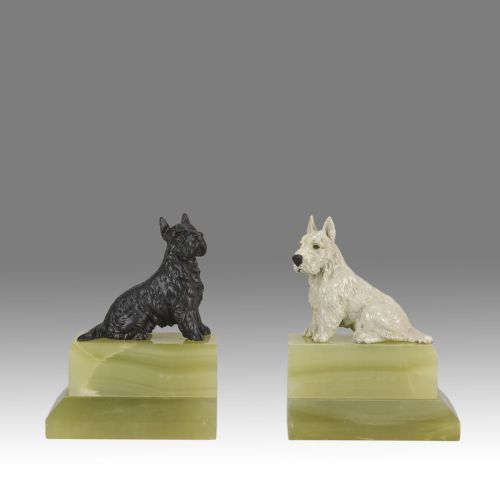
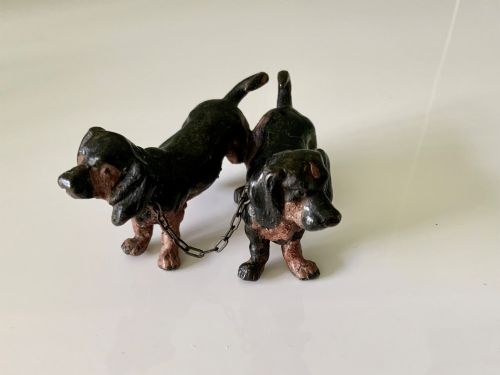
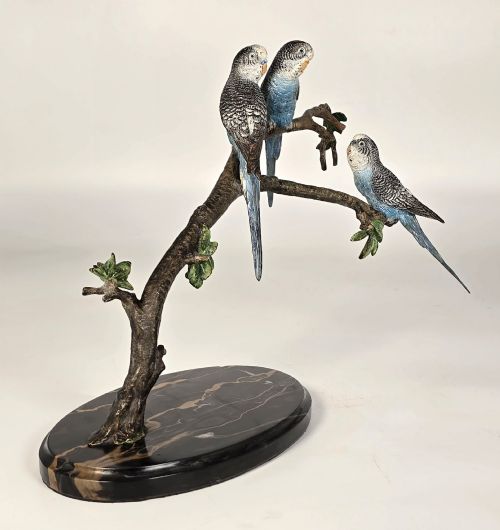
Vienna cold paint describes figures cast in bronze and finished with layers of unheated pigment.
Vienna Cold Paint
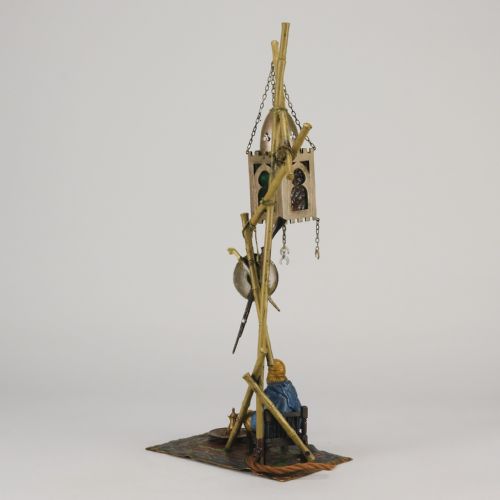
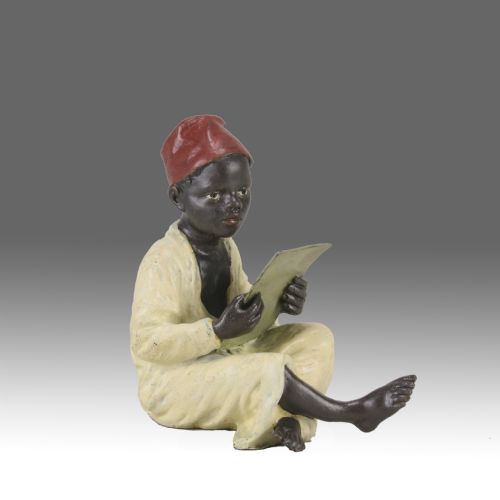
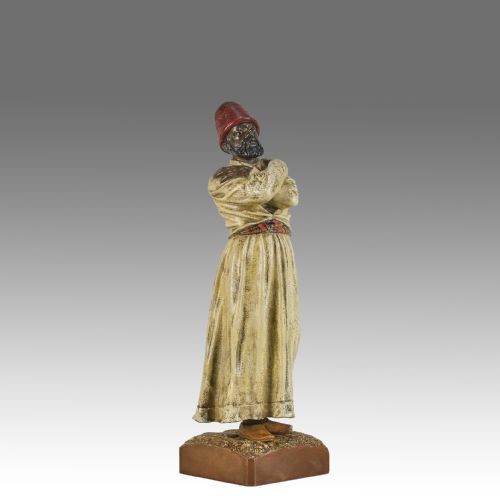
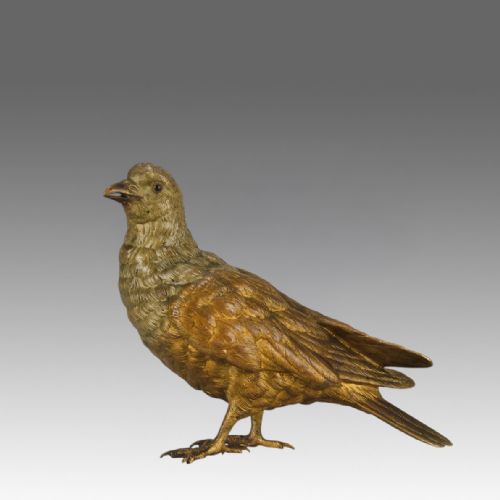
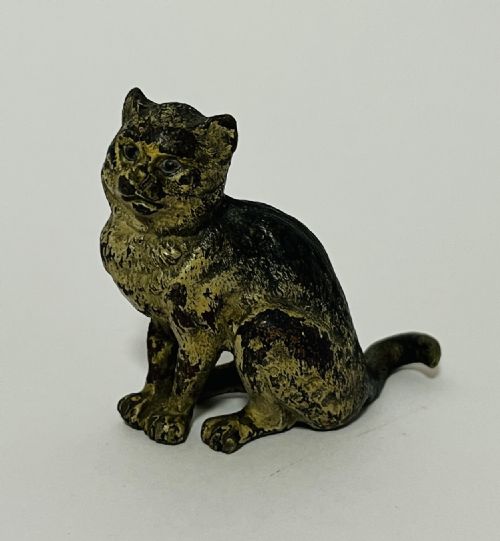
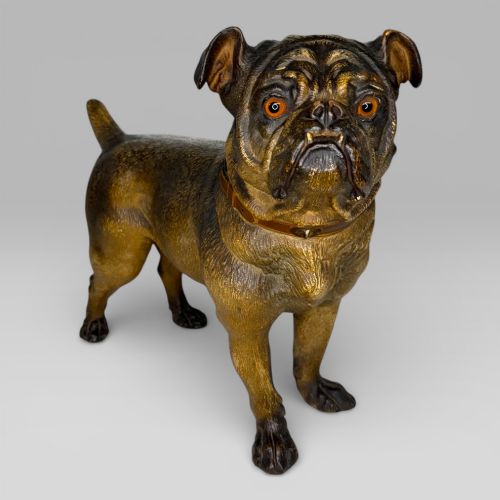
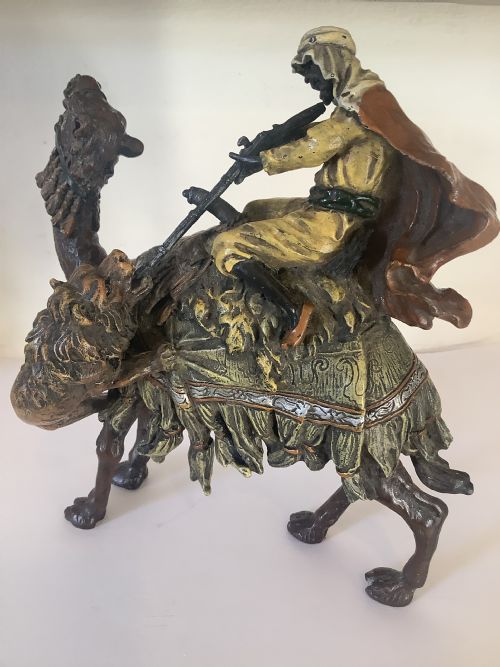
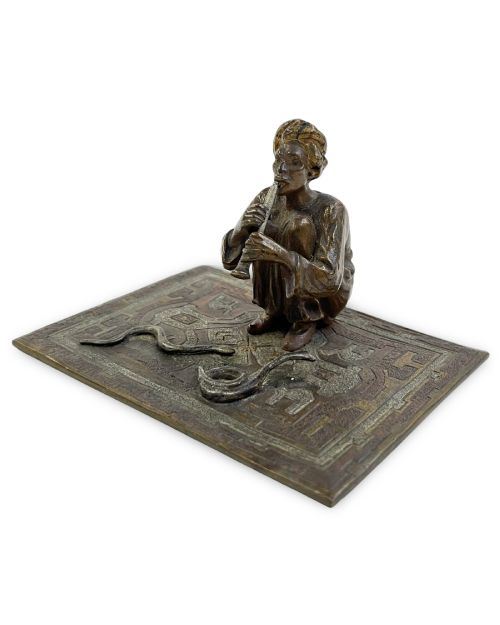
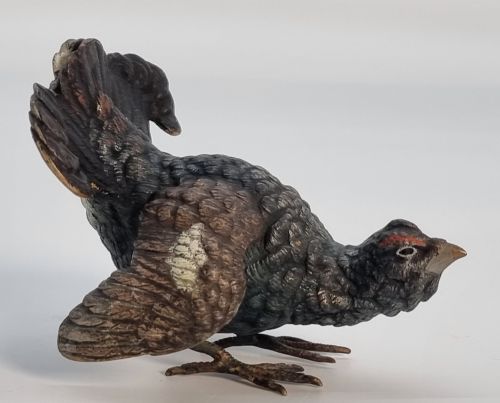
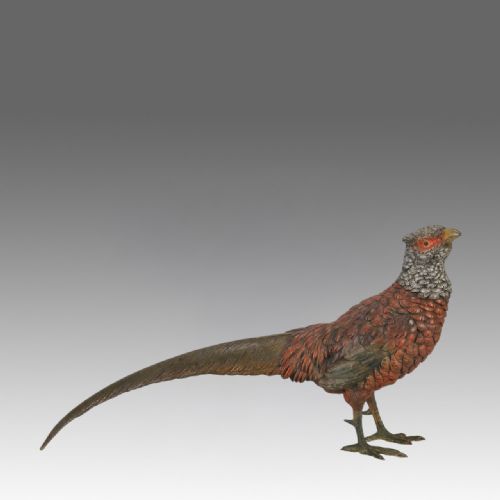
When you search for vienna cold paint, you encounter small sculptures, figurines, and desk accessories produced primarily in Austria during the late nineteenth and early twentieth centuries. These objects span periods from the Victorian era through the 1930s, incorporating Art Nouveau, Art Deco, and Orientalist styles.
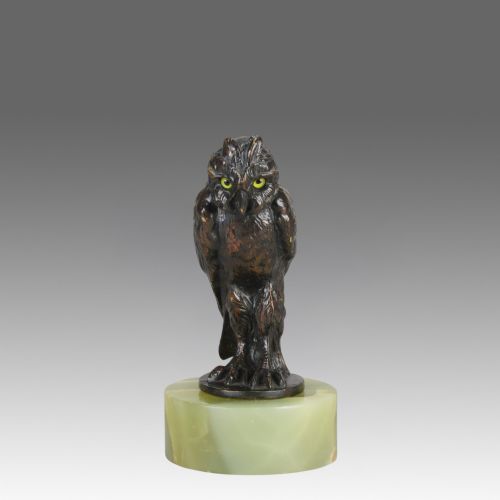
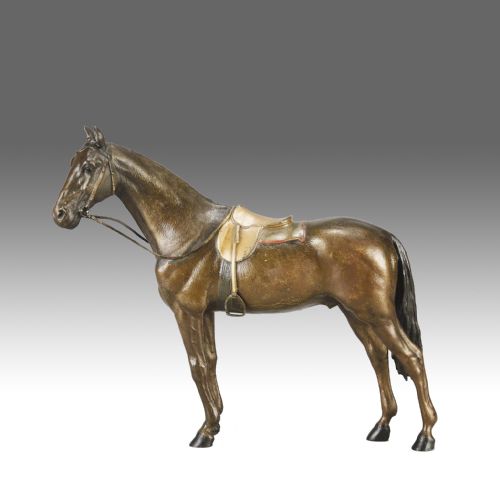
The most common forms on this page are animals, birds, and human figures, often mounted on bases of marble, onyx, or quartz rock, or adapted as bookends, lamps, and paper clips.
How they were made
The pieces are primarily cast in bronze, though some examples employ spelter or terracotta as a medium for the underlying form. Artisans then applied cold paint, a technique using oil-based or enamel paints brushed directly onto the metal without kiln firing.
Because the paint was not baked on, the pigment sits on the surface rather than fusing with the metal, which contributes to the characteristic matte finish seen on these sculptures.
Vienna Cold Paint Retail Price Guide 2026
Typical asking prices for vienna cold paint among the pieces listed under this phrase on Sellingantiques today, from the lower quarter to the upper quarter. They describe what is for sale here now, not the wider market.
Listings feature periods spanning from the Victorian era through the 1930s, using bronze, terracotta, and onyx.
What varies in quality
The survival of the original cold paint surface largely determines the integrity of an object, as untouched pigment indicates careful stewardship over time.
Franz Bergman·Franz Xaver Bergmann
The Vienna Cold Paint Glossary
- Cold-Painted Bronze
- Bronze sculpture decorated with unfired paint applied directly to the metal surface. This technique allows for polychrome detailing that differs from traditional hot patination.
- Orientalism
- An artistic style of the nineteenth and early twentieth centuries depicting Middle Eastern and North African subjects. Figures such as Arab boys, snake charmers, and whirling dervishes frequently appear in this genre.
- Spelter
- A zinc alloy utilised as a cheaper alternative to bronze for metal casting. It was commonly employed for Continental figural candlesticks and decorative objects.
- Onyx
- A banded variety of chalcedony frequently shaped into polished bases or plinths for bronze animal studies. It provides a heavy, stable foundation for desk accessories.
- Desk Tidy
- A functional desk accessory designed to hold small stationery items such as paper clips, stamps, or pens. These items often incorporate cast animal figures.
Vienna Cold Paint: Frequently Asked Questions
What is vienna cold paint?
Vienna cold paint refers to the traditional method of applying unheated oil-based pigments to bronze castings, predominantly produced in Austrian foundries during the late nineteenth and early twentieth centuries.
The technique creates a distinct matte, colourful surface on small sculptures and desk accessories depicting animals, birds, and human figures.
How do I clean these pieces?
These pieces require gentle dusting with a soft, dry brush to preserve the fragile, unfired pigment layers on the bronze surface.
Moisture and chemical cleaners must be avoided entirely, as water or solvents will strip away the historic cold paint finish.
Were these pieces functional?
Many examples served practical functions on Victorian and Edwardian desks as paper clips, bookends, inkwells, and stamp boxes.
Others were purely decorative sculptures, figurines, or table lamps designed for display in domestic interiors.
How do I identify the maker?
Makers such as Franz Bergman often stamped their pieces with foundry marks, including small amphora symbols or monogram signatures hidden within the bronze casting.
Stylistic markers, such as specific Orientalist themes or precise animal proportions, also help attribute unmarked works to known Austrian workshops.