








Victorian Yorkshire Picture
A Victorian Yorkshire picture captures the distinct landscapes and coastal scenes of the region through period watercolours and oil paintings.
Victorian Yorkshire Picture
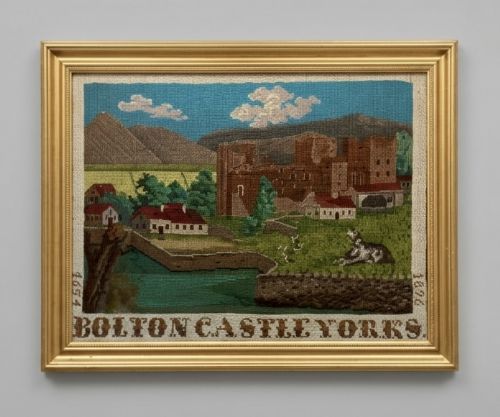
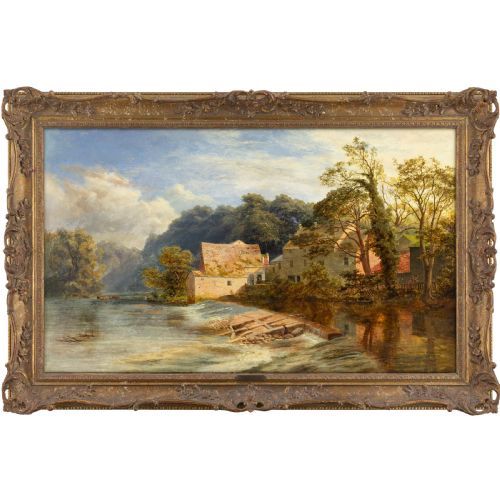
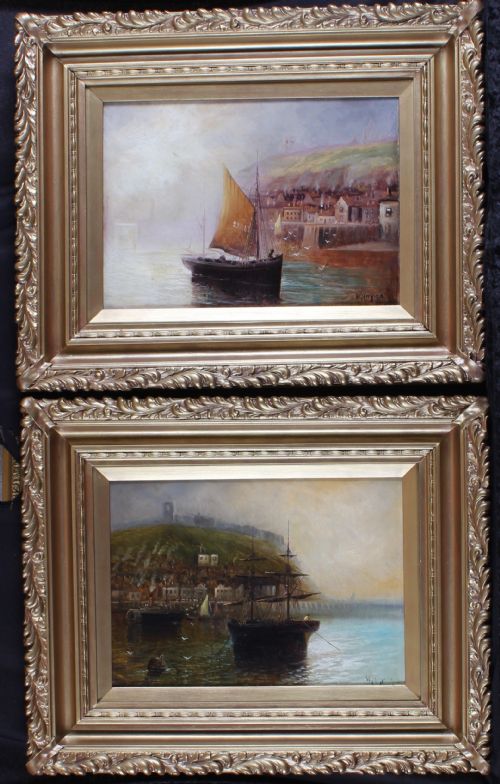
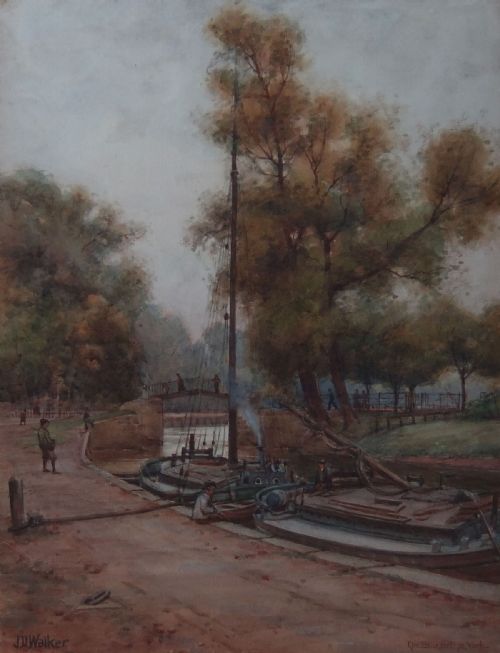
A Victorian Yorkshire picture depicts recognizable local landmarks, bustling harbours, and rural countryside from the nineteenth and early twentieth centuries. These works record regional views around Whitby, York, and various river valleys with specific topographical detail.
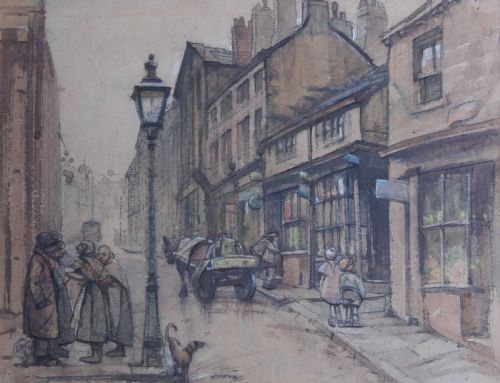
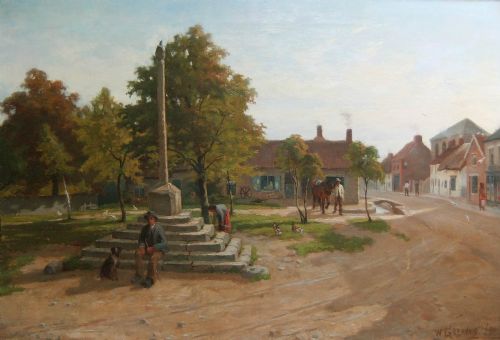
Buyers most frequently encounter watercolours on paper and oil paintings on canvas depicting coastal life, marine scenes, and inland landscapes. Such pieces range from intimate village street scenes to expansive pastoral views.
The material record includes framed paintings, diptychs, and lithographs spanning the Victorian era through the Edwardian period. Surviving examples often retain their original gilt and moulded frames.
Materials and construction
Artists applied watercolour pigment and bodycolour to paper supports to achieve fine tonal gradations in atmospheric coastal and river views. Oil paintings utilised oil on canvas to build richer textures for maritime and rural landscape subjects.
Finished works were mounted behind glass and housed within decorative gesso and moulded wooden frames. These protective surrounds often reflect the framing fashions of the late nineteenth century.
Victorian Yorkshire Picture Retail Price Guide 2026
Typical asking prices for victorian yorkshire picture among the pieces listed under this phrase on Sellingantiques today, from the lower quarter to the upper quarter. They describe what is for sale here now, not the wider market.
Early Yorkshire artists frequently braved freezing North Sea winds on Whitby piers just to capture the exact chop of the waves.
Evaluating quality and execution
The distinction between standard works and superior examples lies in the artist's handling of light, atmospheric conditions, and topographical precision. Masterful brushwork captures the damp coastal air of Whitby or the specific architectural detail of York Minster with conviction.
Condition and originality also define the standing of a piece, particularly the preservation of the pigments and the presence of the original period frame. Intact artist signatures and well-documented locations further distinguish finer works.
Alfred George Morgan·Arthur Tucker·Frederick William Booty·Kate E Booth·Lester Sutcliffe·Robert Farren·Tom Dudley·William Greaves
The Victorian Yorkshire Picture Glossary
- Watercolour
- A painting method where fine pigment is suspended in a water-based solution on paper. This technique allows for translucent washes and delicate atmospheric effects.
- Oil on canvas
- Pigment mixed with drying oil applied to a stretched woven fabric support. This medium permits thick impasto application and deep colour saturation.
- Gesso
- A plaster-like material applied to wooden frames before gilding or painting. It provides a smooth surface for intricate moulded decorative details.
- Diptych
- A painting comprising two separate hinged or matching panels designed to be displayed together. The format was sometimes utilised for complementary coastal views.
- Lithograph
- A print made from a flat stone or metal plate treated to retain ink in designated areas. This process enabled the reproduction of topographical views.
Victorian Yorkshire Picture: Frequently Asked Questions
What subjects do these pictures show?
The works primarily feature identifiable northern locations, including Whitby Harbour, York streetscapes, and rural river valleys. Coastal scenes involving local industries, such as fishing and gathering seaweed, also appear frequently.
Artists focused on recording the shifting light over the North Sea and the historic architecture of abbeys and market towns. These compositions serve as historical records of the region's landscape before modern development.
Are these works original period pieces?
The selection includes original paintings and watercolours produced during the nineteenth and early twentieth centuries. Signatures, dates, and inscriptions on the reverse often help establish provenance.
Substantial evidence links these paintings to known British artists working in the region during the Victorian and Edwardian eras. Original framing often corroborates the age of the paper and canvas supports.
How should I display a watercolour?
Watercolours require careful placement away from direct sunlight to prevent the fading of sensitive pigments. Archival framing materials help protect the paper from environmental degradation over time.
Maintaining stable indoor humidity levels prevents warping of the paper and deterioration of the underlying gesso frame. Proper glazing ensures dust and atmospheric pollutants do not reach the painted surface.
How do I identify a Victorian oil painting?
Victorian oil paintings typically exhibit canvas supports and stretchers characteristic of nineteenth-century manufacture. Closer inspection reveals craquelure in the oil paint surface, which indicates natural ageing.
Stylistic elements, costume details in figures, and nineteenth-century framing techniques provide further clues for dating. Many works also carry period handwritten labels identifying the Yorkshire subject on the stretcher or frame.