


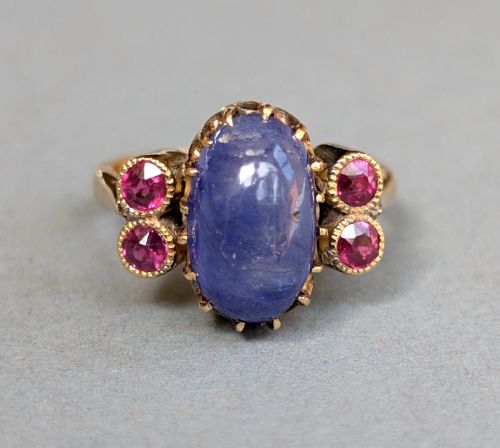


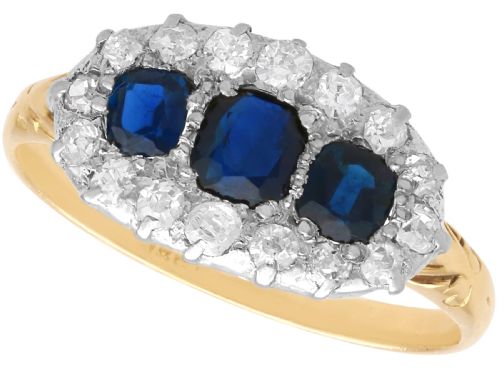


Victorian Yellow Sapphire Ring
A victorian yellow sapphire ring brings together nineteenth-century goldsmithing and warm, sunshine-toned corundum.
Victorian Yellow Sapphire Ring
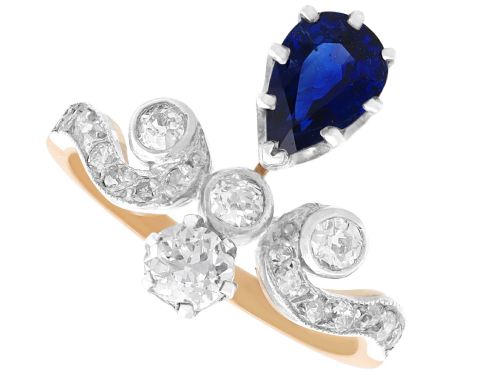
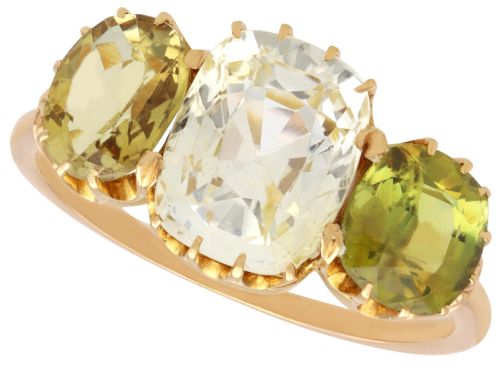
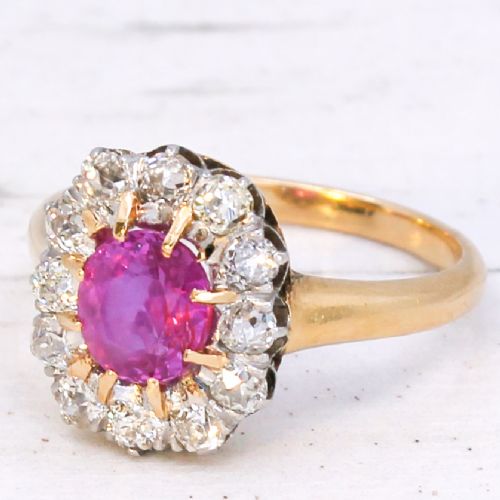
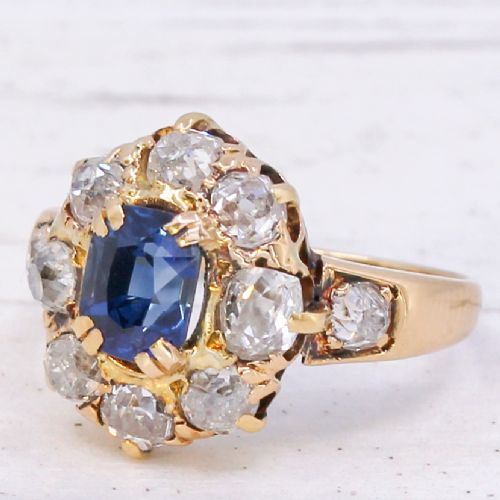
A victorian yellow sapphire ring captures the romantic design sensibilities of the late nineteenth century through cluster, boat, and trilogy configurations. These pieces frequently pair golden or yellow corundum with old cut diamonds set in durable eighteen-carat yellow gold.
How They Were Made
Goldsmiths of the period relied predominantly on eighteen-carat yellow gold and occasionally nine-carat gold or fourteen-carat yellow gold to construct substantial settings for gems. Stones such as sapphires and diamonds were secured by hand, utilising claw or flush techniques suited to the softer metals of the epoch.
Stones integrated into these mounts typically feature old cut diamonds alongside unheated or basaltic sapphires. The interplay between the faceted corundum and warm gold creates the characteristic tactile weight expected from nineteenth-century jewellery.
Victorian Yellow Sapphire Ring Retail Price Guide 2026
Typical asking prices for victorian yellow sapphire ring among the pieces listed under this phrase on Sellingantiques today, from the lower quarter to the upper quarter. They describe what is for sale here now, not the wider market.
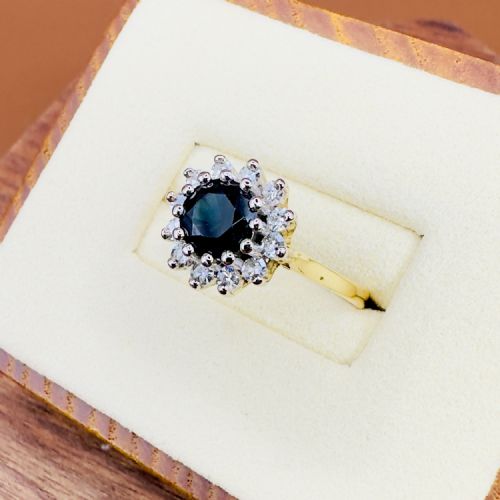
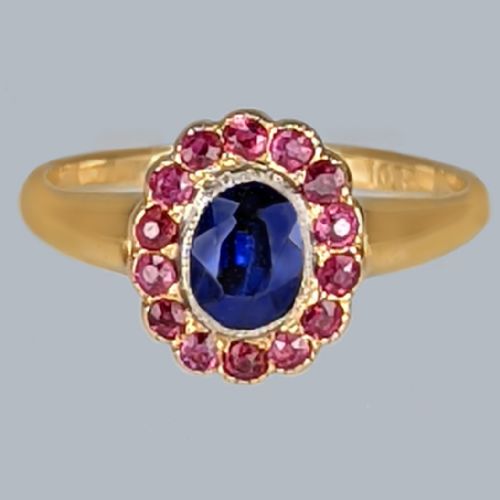
Listings span the Victorian, Edwardian, and mid-century periods, showcasing gold alloys alongside sapphires, diamonds, and rubies.
What Varies in Quality
Quality rests upon the saturation and natural state of the central sapphire, alongside the proportion and cut of accompanying diamonds. Pieces that retain unheated stones display superior depth of colour compared to treated variants.
The refinement of the mounting also dictates the calibre of the ring. Delicate hand-carved shoulders, crisp hallmarks, and balanced stone arrangement distinguish master goldsmith work from standard commercial production.
The Victorian Yellow Sapphire Ring Glossary
- Trilogy ring
- A setting featuring three principal stones, often symbolising the past, present, and future. This configuration is widely seen paired with yellow gold.
- Boat ring
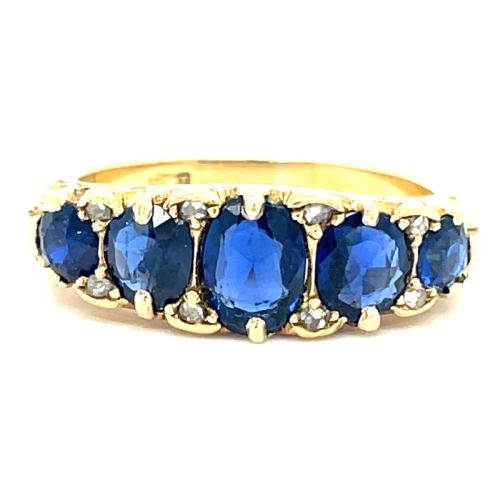
- A tapered, navette-like mounting style historically known as a bateau or boat shape. It sits low to the finger and accommodates multiple smaller stones.
- Old cut diamond
- A hand-faceted diamond predecessor to the modern brilliant cut, characterised by a smaller table and higher crown. These stones exhibit distinctive soft light dispersion under candlelight.
- Unheated sapphire
- A natural corundum gemstone that has undergone no thermal enhancement to improve its colour or clarity. Such stones command significant appreciation among purists.
- Gypsy ring
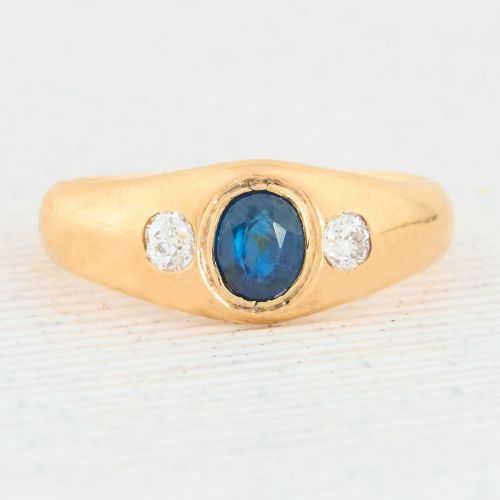
- A style where stones are flush-set directly into a thick, tapering gold band. This form provides a smooth, snag-free profile popular in late nineteenth-century daily wear.
Victorian Yellow Sapphire Ring: Frequently Asked Questions
What is a victorian yellow sapphire ring?
A victorian yellow sapphire ring is an antique piece of finger ornamentation dating from the nineteenth or early twentieth century, featuring a golden corundum centrepiece.
These rings utilise yellow gold bands and often incorporate old cut diamonds in cluster or trilogy arrangements.
How do I care for my ring?
Antique rings require gentle handling due to their age and the delicate nature of nineteenth-century settings. Clean them using warm soapy water and a soft brush, avoiding harsh chemical ultrasonic cleaners.
Remove the jewellery during strenuous manual tasks to protect the soft gold shanks and stone claws from undue wear.
Are the sapphires natural?
Many stones from this period are natural, with specific listings noting unheated origins or particular geographic provenances. Gemological reports sometimes accompany these pieces to verify their untreated status.
Synthetic alternatives also exist within the period output, meaning documentation is helpful for determining provenance.
How do I identify the period?
Dating relies on hallmarks stamped inside the band, design motifs such as boat shapes or serpents, and the style of stone cutting used by the goldsmith. Assay office marks provide precise geographical and chronological data.
Comparative analysis of the shank construction and claw work further assists in confirming Victorian or Edwardian origins.