



Victorian Work Table with Drawers
A victorian work table with drawers brings compact utility to a room, offering small fitted spaces and sturdy timber surfaces designed for practical daily tasks.
Victorian Work Table with Drawers
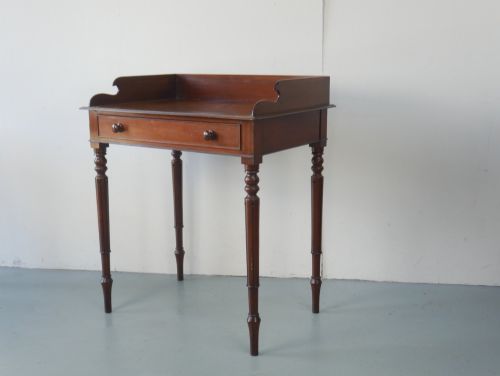
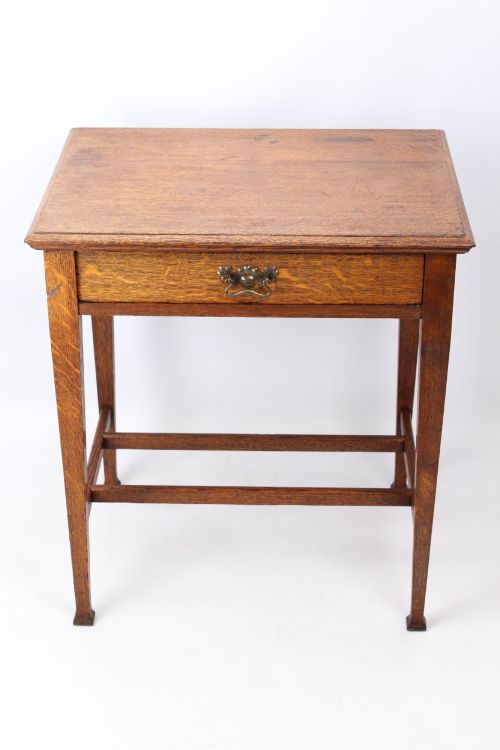
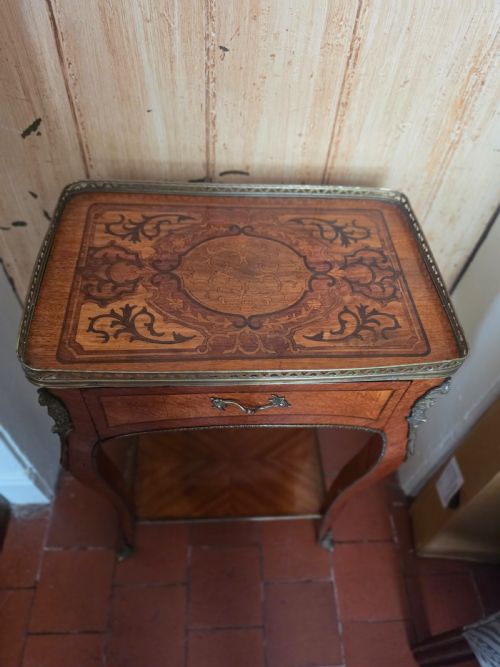
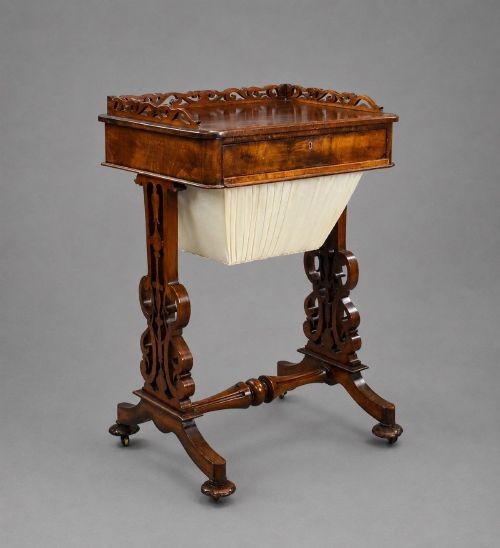
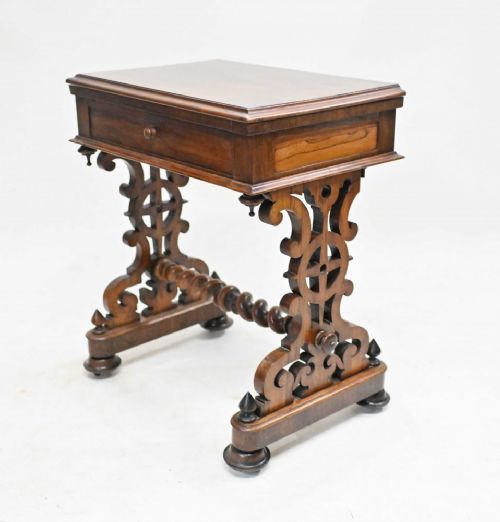
A victorian work table with drawers encompasses specialised furniture designed for sewing, writing, and small household tasks during the nineteenth century. These items appear across various styles, including Arts and Crafts, French Louis XV, and rustic country designs.
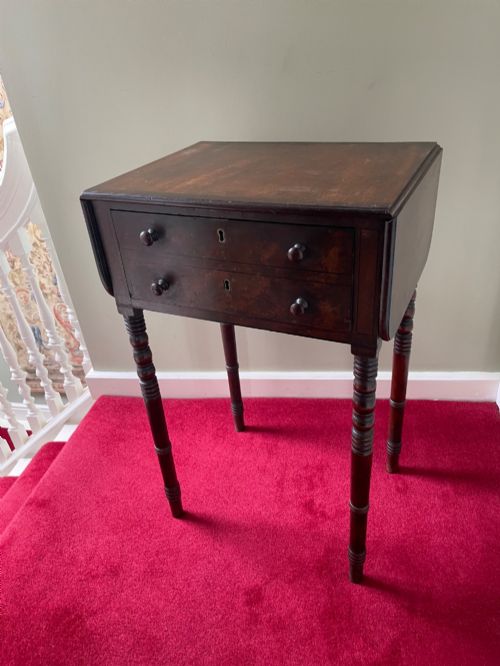
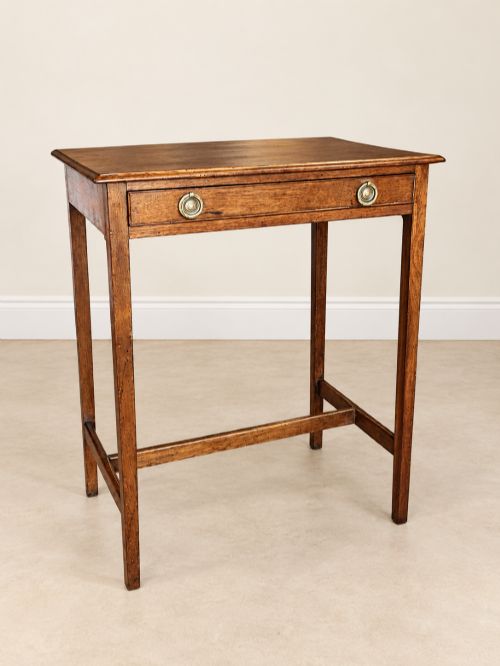
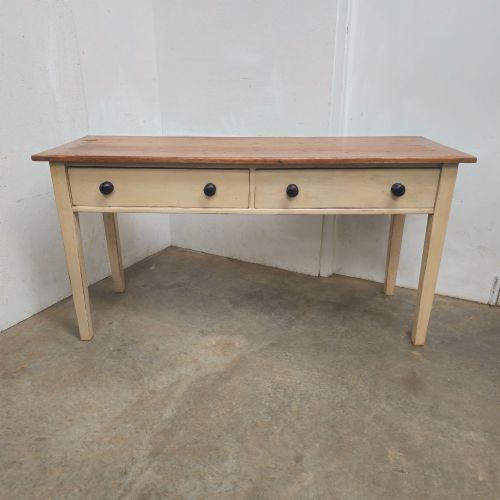
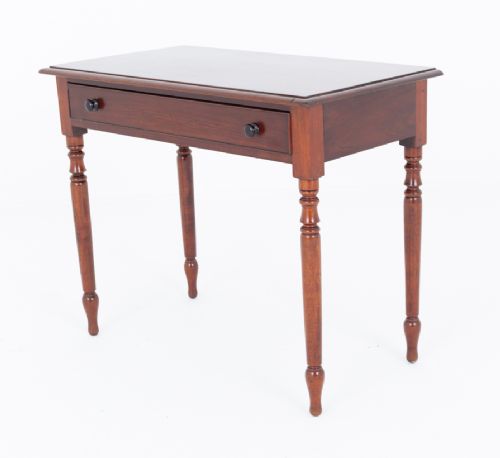
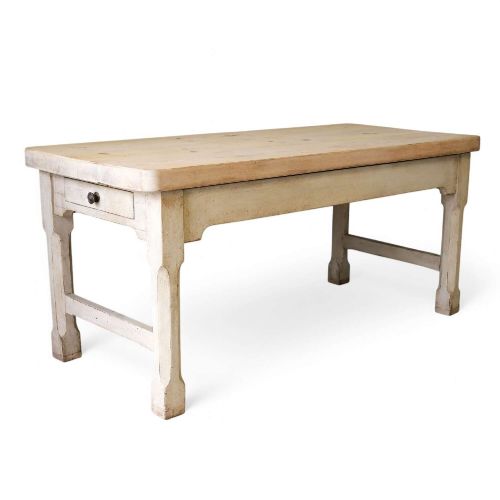
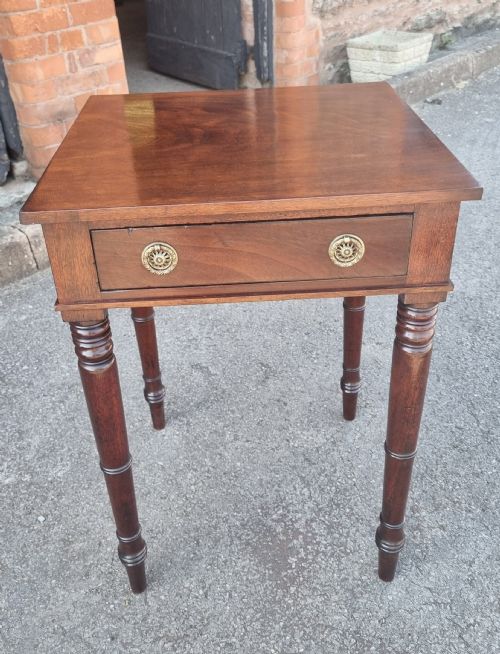
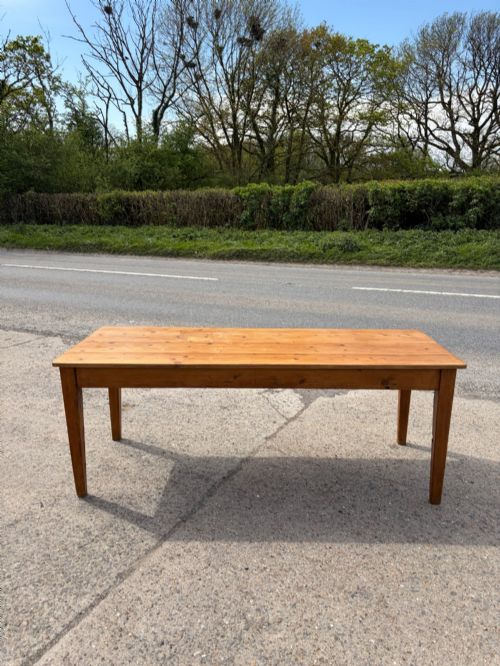
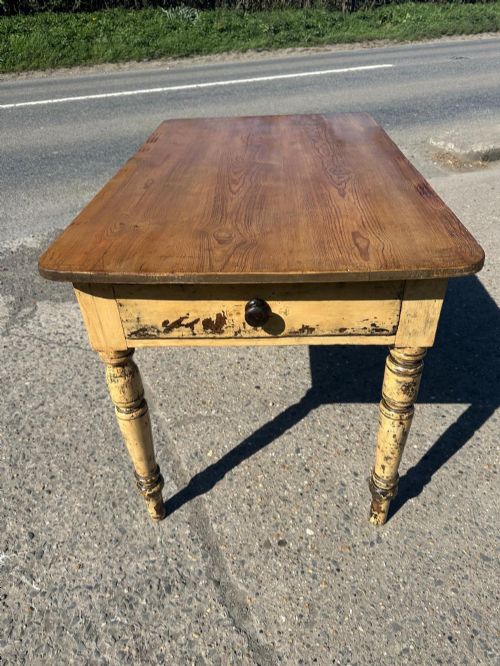
Buyers frequently encounter variants constructed from mahogany, walnut, rosewood, and pine, often housing a single frieze drawer or drop-leaf compartments. The selection spans compact occasional pieces intended for side placement alongside larger kitchen and preparation tables equipped with storage.
Origins stretch from formal nineteenth-century urban parlours to Scottish kitchens and provincial workshops, reflecting diverse domestic requirements. The surviving examples merge practical storage with period craftsmanship, functioning as useful writing desks or sewing companions.
How they were made
Construction relies heavily on traditional timber framing using solid mahogany, walnut, oak, and pine, frequently complemented by decorative veneers and marquetry inlay. Joinery techniques ensure stability in domestic settings, utilising well-fitted drawer boxes and turned or bobbin legs.
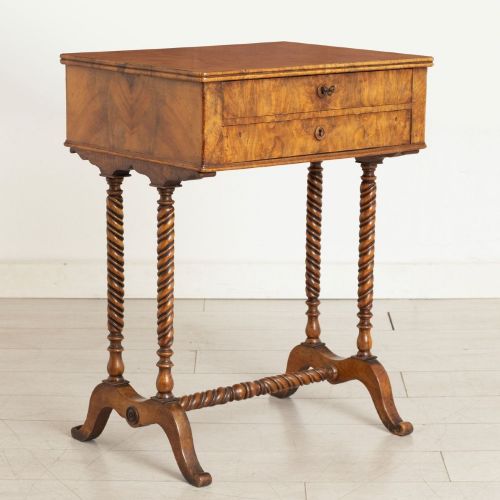
Surface finishes include original paint on pine variants alongside polished grain on finer hardwoods like burr walnut and rosewood. Brass handles and fittings frequently accent the drawers, while fabric components appear on specific sewing variants.
Victorian Work Table with Drawers Retail Price Guide 2026
Typical asking prices for victorian work table with drawers among the pieces listed under this phrase on Sellingantiques today, from the lower quarter to the upper quarter. They describe what is for sale here now, not the wider market.
Listings feature periods spanning from Georgian and Victorian times through to the early twentieth century, including Arts and Crafts and Biedermeier styles.
What varies in quality
The choice of primary timber heavily dictates the grade of the piece, moving from utilitarian painted pine up to highly figured burr walnut and rosewood. Finer examples display meticulous attention to internal drawer construction and sophisticated decorative veneering.
Proportion and decorative detailing separate standard utility pieces from exceptional items, particularly where turning, inlay, or specialist styles like French Louis XV influence the design. Original elements, such as unaltered paintwork or period brass hardware, elevate the character of surviving tables.
The Victorian Work Table with Drawers Glossary
- Frieze drawer
- A drawer fitted directly beneath the top surface within the structural frame of the table. This is the most common storage placement found on nineteenth-century work tables.
- Drop-leaf
- A hinged flap on the side of a table top that lifts to extend the working surface. These are frequently found on sewing and game tables to save space when not in use.
- Bobbin turned
- A style of leg decoration shaped with a series of rounded wooden spheres resembling spools of thread. This turning technique appears on Victorian pedestal and sewing tables.
- Burr walnut
- A highly figured wood grain obtained from walnut tree growths, producing intricate patterns. It was favoured by nineteenth-century cabinet makers for luxury occasional furniture.
- Marquetry
- The art of applying pieces of veneer to a structure to form decorative patterns and pictures. It is commonly observed on French-influenced tables from the period.
Victorian Work Table with Drawers: Frequently Asked Questions
What were work tables used for?
These tables served as dedicated spaces for needlework, sewing, and correspondence in the nineteenth-century home. The integrated drawers kept small implements, threads, and writing materials close at hand.
Over time, their compact utility allowed them to transition easily into general domestic use as lamp stands or small side tables in reception rooms.
Where should I place a work table?
Their compact footprints make these tables ideal as bedside surfaces, lamp tables beside a sofa, or auxiliary writing desks in small studies. The inclusion of a drawer provides convenient storage for everyday clutter.
Kitchen and preparation variants suit modern open-plan dining areas or utility spaces, offering sturdy surfaces with accessible lower storage.
How do I care for antique timber?
Maintain the finish by keeping the timber away from direct heat sources and strong sunlight, which can dry out older polishes and veneers. Dust regularly with a soft, dry cloth.
Occasional applications of appropriate wax polish help nourish hardwood surfaces like mahogany and walnut, preserving their natural grain and lustre.