






Victorian Wool Picture
A Victorian wool picture brings vivid texture to a wall, capturing nineteenth-century craft through tactile needlework scenes.
Victorian Wool Picture
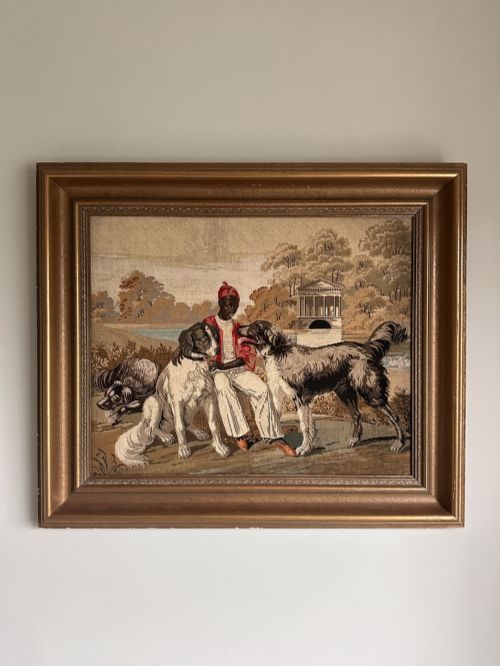
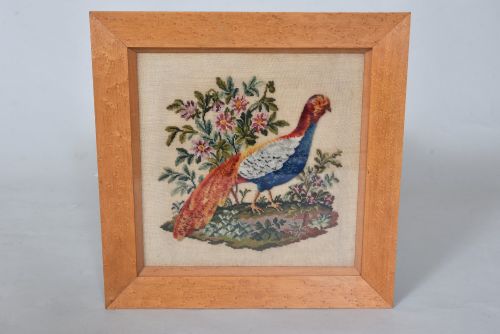
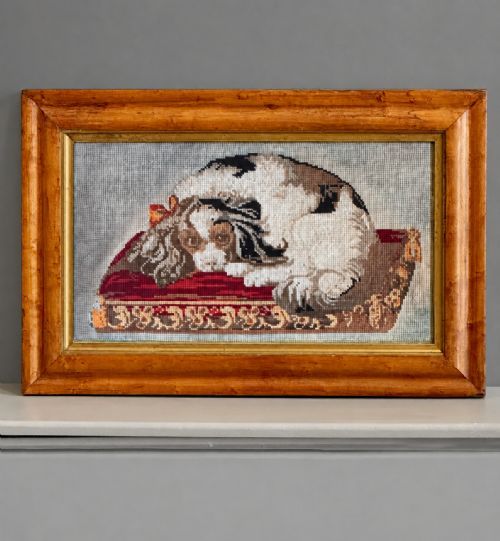
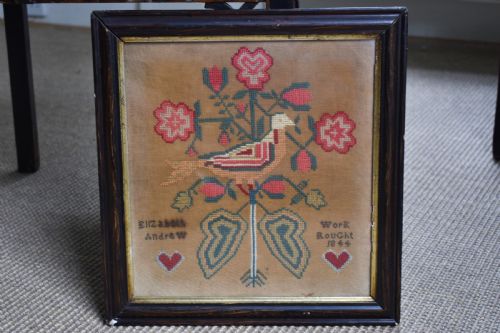
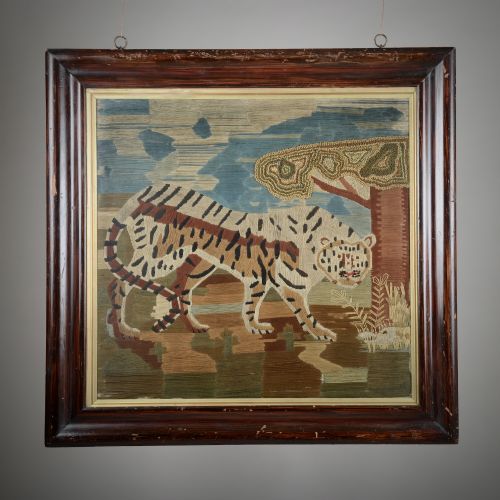
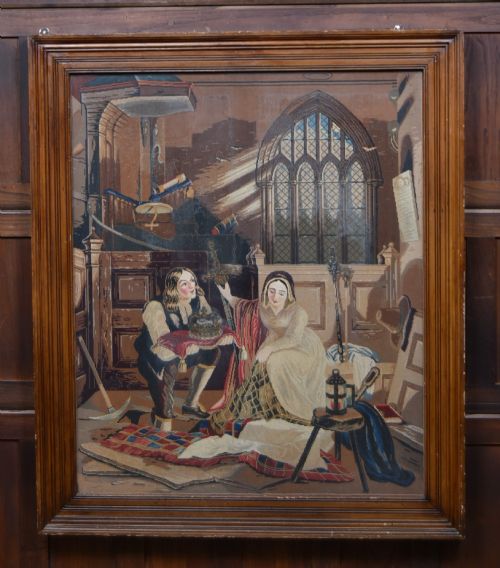
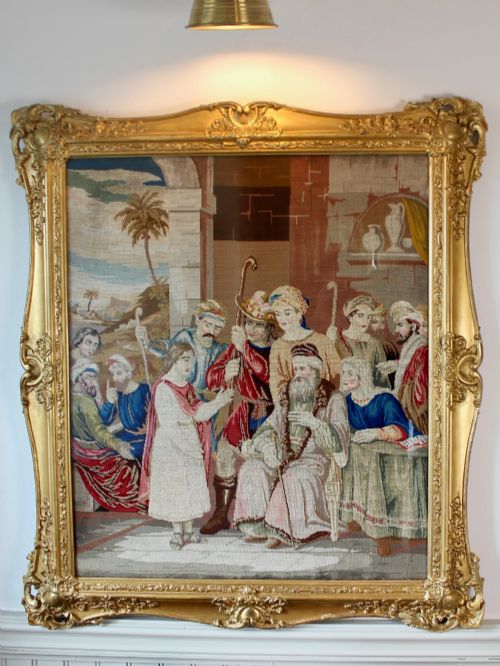
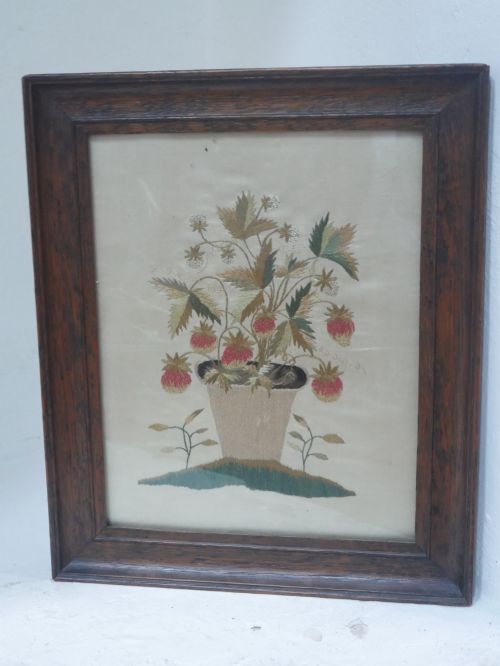
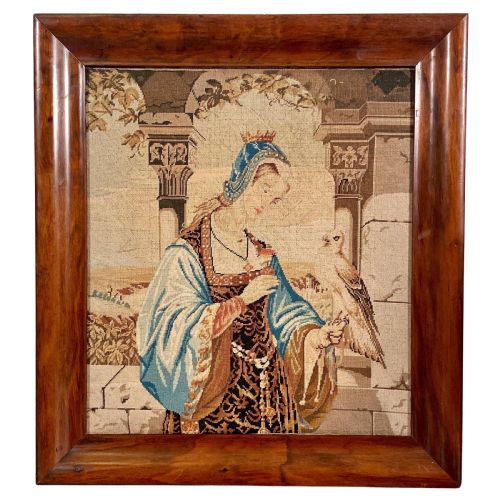
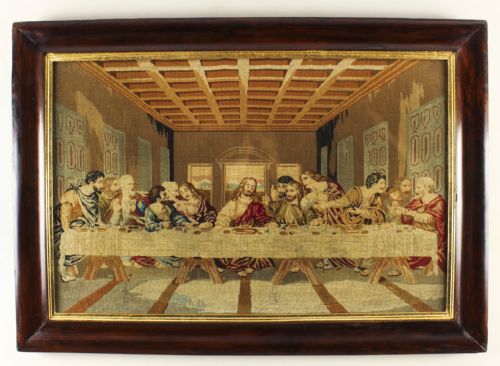
A Victorian wool picture comprises framed textile works produced across the nineteenth century, encompassing narrative wall art, portraits, and folk pieces. The pieces take many forms, from intricate Berlin woolwork tapestries depicting historical subjects to detailed sailors' woolies and botanical studies.
Most examples found here date from the mid to late nineteenth century, reflecting periods such as the eighteen-fifties, sixties, and nineties. Makers utilised canvas, linen, and wool threads, often enclosing the finished needlework behind glass within wooden, rosewood, or giltwood frames.
Assessing quality and execution
Quality rests in the precision of the needlework and the complexity of the design, distinguishing simple samplers from highly detailed portraits and narrative scenes. Finer pieces demonstrate skilful shading and varied stitch work that create depth and realism in the depiction.
The calibre of the framing also influences the piece, with original burr maple, rosewood, or substantial giltwood frames providing a more complete historical context than replacement mounts.
Victorian Wool Picture Retail Price Guide 2026
Typical asking prices for victorian wool picture among the pieces listed under this phrase on Sellingantiques today, from the lower quarter to the upper quarter. They describe what is for sale here now, not the wider market.
Stitched entirely by hand, a nineteenth-century sailor's woolie brings the rolling ocean safely indoors through the humble medium of coloured sheep's wool.
The Victorian Wool Picture Glossary
- Berlin woolwork
- A type of needlepoint embroidery worked in coloured wools on canvas, following a squared, painted chart. This technique gained immense popularity in nineteenth-century parlours.
- Gros-point
- A coarse needlepoint stitch used for working the background or main areas of a tapestry. It provides a durable and bold texture.
- Plushwork
- A specialised embroidery method utilising raised, cut pile to create a velvet-like, tactile surface. It frequently highlights elements such as animal coats.
- Woolie
- A pictorial embroidery created by British sailors during the nineteenth century, often depicting naval ships using wool threads on canvas.
Victorian Wool Picture: Frequently Asked Questions
How were these pictures originally displayed?
These textile artworks were framed and hung in nineteenth-century domestic interiors, serving as decorative wall art or focal points in parlours. Some examples also functioned as inserts for decorative screens.
Because wool fibres are sensitive to light and dust, framing behind glass was common practice to protect the delicate stitching and dyed materials from environmental damage.
How do I care for a wool picture?
Protecting a textile picture involves hanging it away from direct sunlight to prevent the coloured wool threads from fading. Keeping the piece in a stable environment avoids moisture accumulation behind the glass.
Dust the frame gently and avoid using liquid cleaners on the textile itself. Professional framing conservation ensures the canvas remains properly tensioned over time.
How can I tell the age of a tapestry?
Dating relies on examining the framing materials, the type of canvas ground, and the style of the needlework. Methods such as rosewood or burr maple frames often point to specific mid-nineteenth-century decades.
The subject matter, dress of depicted figures, and specific needle techniques like petit-point also offer clues to whether a piece originates from the eighteen-fifties or the turn of the twentieth century.