

Victorian Wooden Miniature
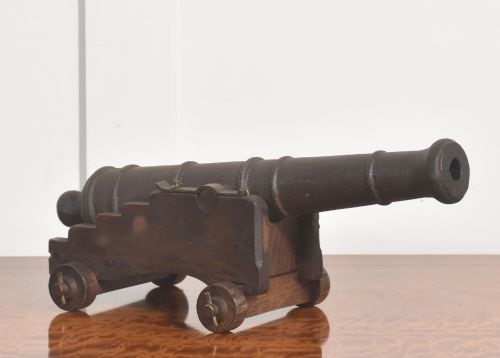
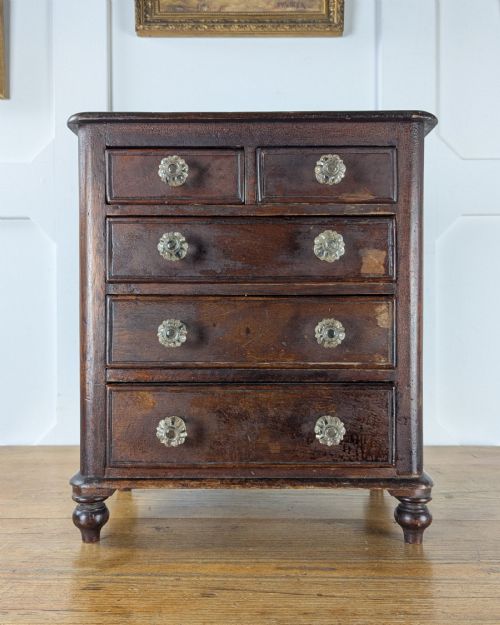
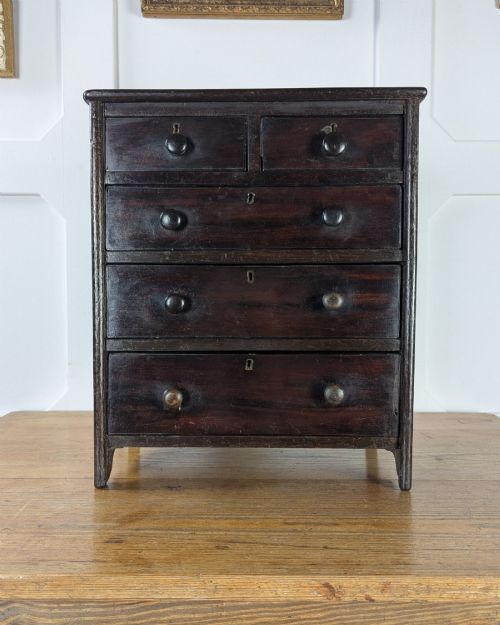
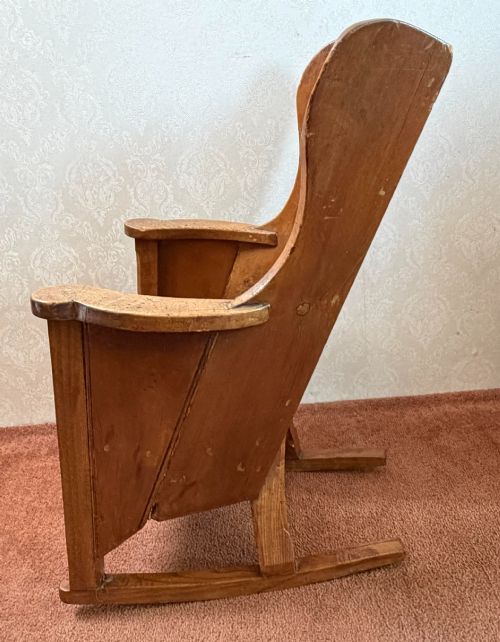
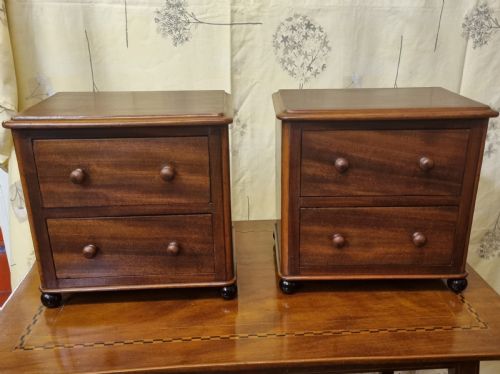
Victorian wooden miniature items are small-scale furniture pieces and functional objects crafted across the nineteenth century.
Victorian Wooden Miniature
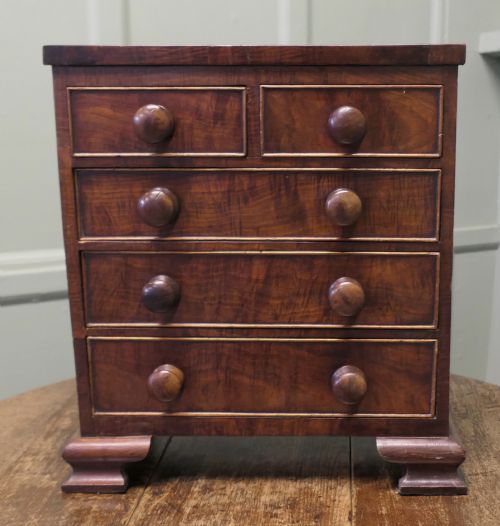
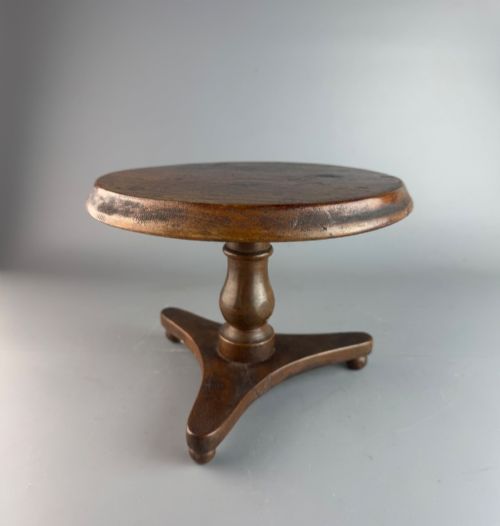
These items originate from various periods including the Regency, Georgian, and Victorian eras, alongside related nineteenth-century vernacular and Scottish styles. Miniature furniture and collectors cabinets dominate the selections available to collectors.
Materials and construction
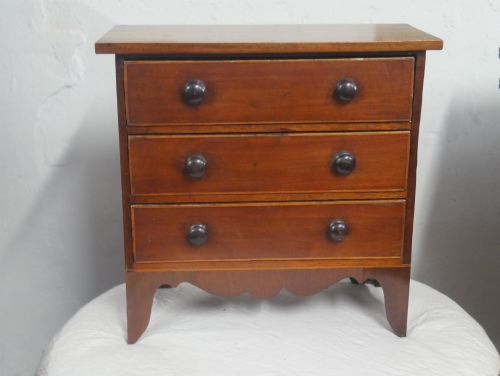
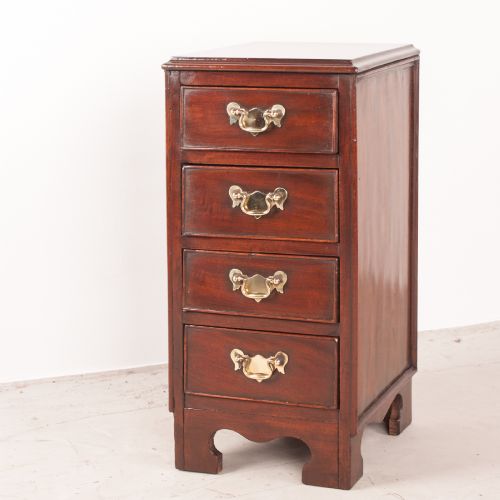
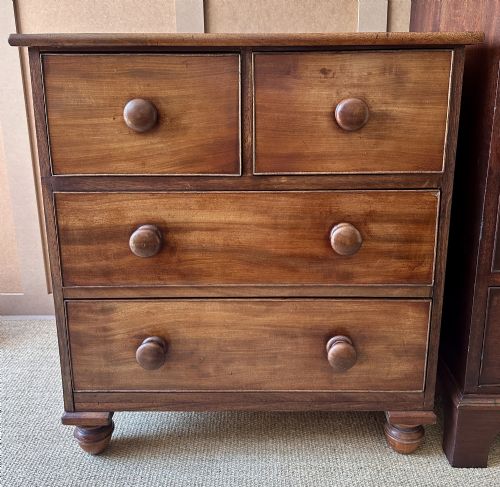
Makers utilised woods such as mahogany, walnut, oak, pine, ash, elm, and fruitwood to construct these small objects. Construction techniques mirror full-scale cabinet making, employing fitted drawers, turned feet, and occasionally brass or iron hardware.
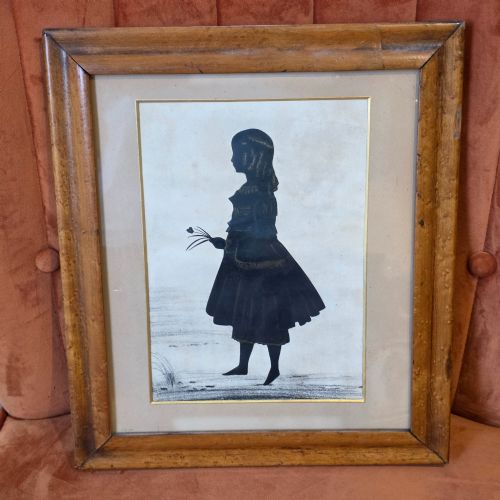
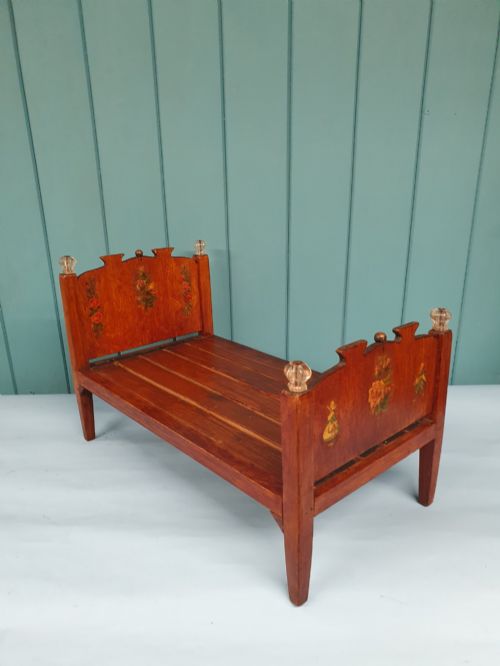
Additional materials like paper, glass, bone, and textiles appear alongside the primary timber frames in pieces such as framed silhouettes, doll beds, and upholstered rocking chairs.
Listings feature eighteenth and nineteenth-century periods, incorporating Regency, Georgian, Victorian, and Edwardian items made from mahogany, walnut, oak, pine, and brass.
Assessing quality in miniature pieces
Quality separates through the precision of the joinery and the selection of timber figures, such as figured mahogany or walnut veneers. Pieces displaying careful dovetailing and well-turned feet stand apart from simpler utility items.
The integrity of the original surface finish and the retention of period hardware further distinguish finer examples from standard workshop or child-made items.
The Victorian Wooden Miniature Glossary
- Apprentice piece
- A small item of furniture created by a craftsman to demonstrate skill for trade guild admission, or made by a learner.
- Collectors cabinet
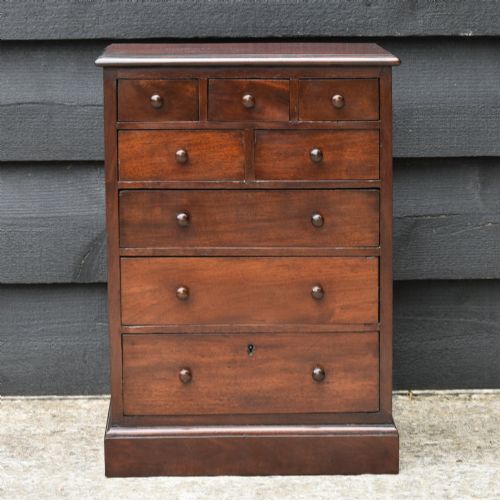
- A small storage chest featuring multiple drawers designed for housing specimens, coins, or trinkets.
- Treen
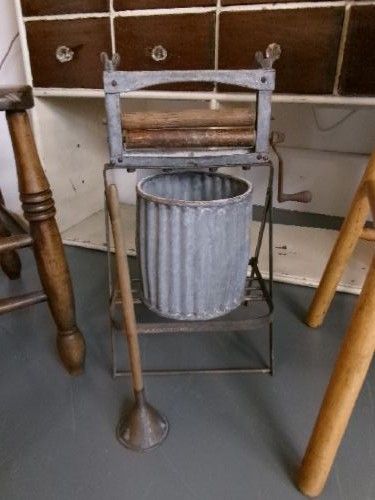
- Small handmade wooden household objects valued for their tactile quality and utilitarian purpose.
- Miniature furniture
- Scale models of full-sized domestic furnishings produced for display, sales demonstration, or children.
- Mule chest
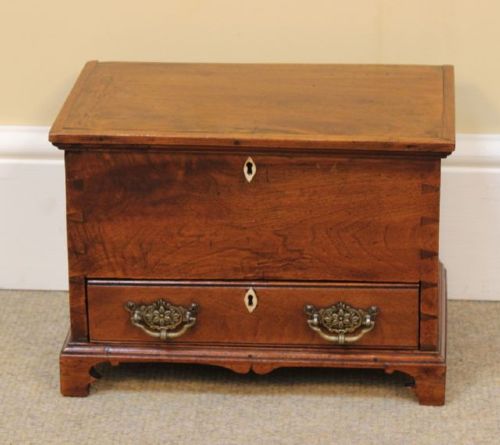
- A traditional chest incorporating one or more drawers beneath the main storage compartment.
Victorian Wooden Miniature: Frequently Asked Questions
How were apprentice pieces used?
Apprentice pieces functioned as practical tests for woodworkers demonstrating their mastery of cabinetry techniques. Journeymen produced them to prove proficiency before joining trade guilds.
Over time, these scaled-down items transitioned into decorative tabletop furnishings for nineteenth-century parlours.
What woods appear in these pieces?
Makers constructed these miniature items using a variety of native and imported timbers. Mahogany, walnut, oak, pine, ash, elm, and fruitwood are common.
Selection depended on the regional workshop tradition and the intended function of the specific piece, ranging from utility pine to fine cabinet mahogany.
How do I care for wooden miniatures?
Wooden miniatures require stable environmental conditions away from direct sunlight and extreme humidity fluctuations. Gentle dusting with a dry cloth preserves the aged timber surface.
Avoid applying modern polishes or chemical cleaners that might penetrate or degrade nineteenth-century finishes.