


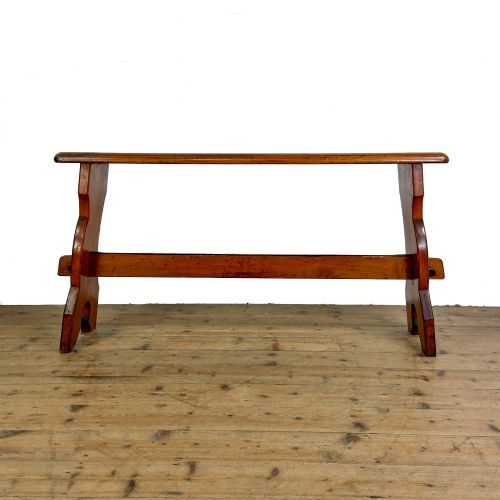
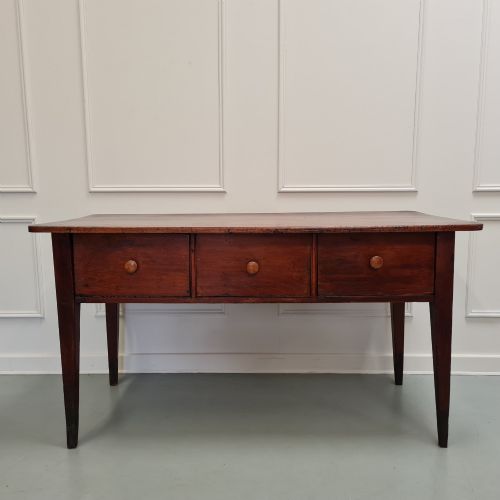

Victorian Wooden Hallway Table
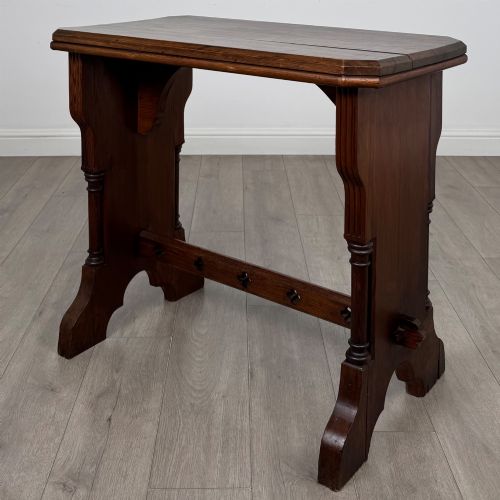
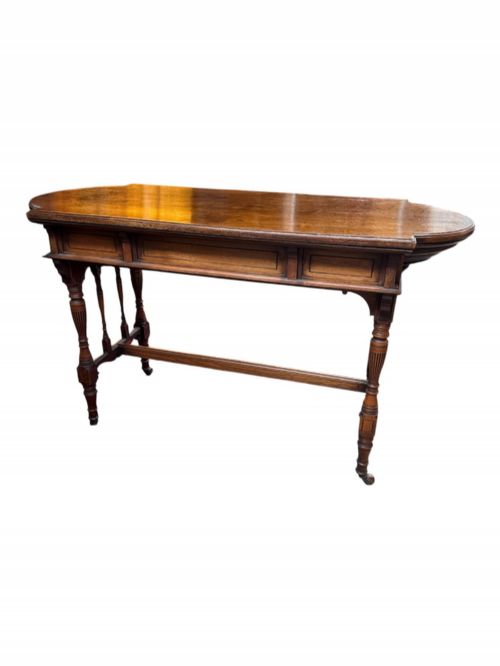
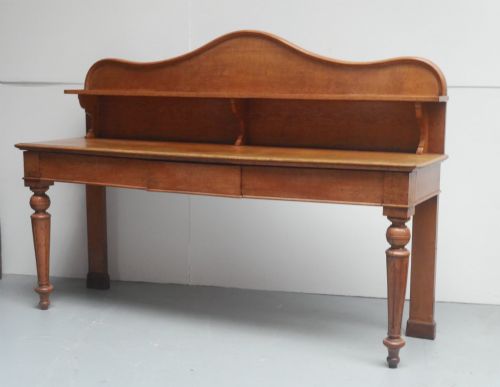
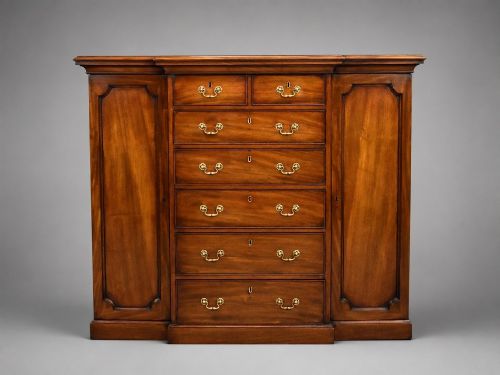
A victorian wooden hallway table brings immediate architectural weight and functional surface space to an entrance.
Victorian Wooden Hallway Table
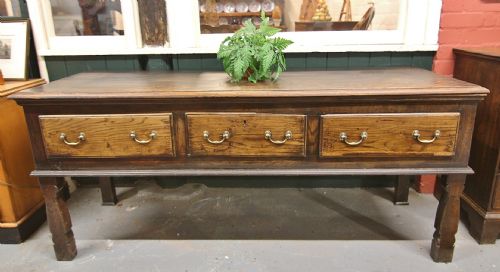
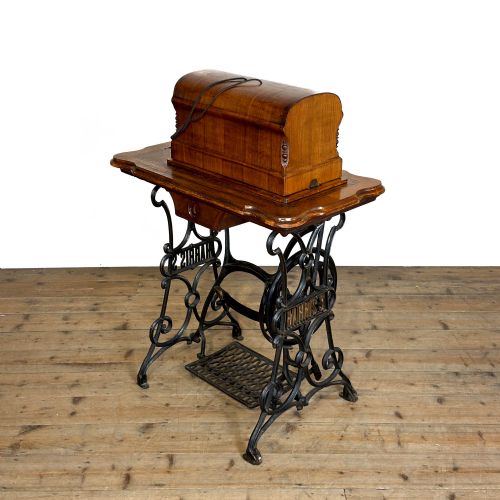
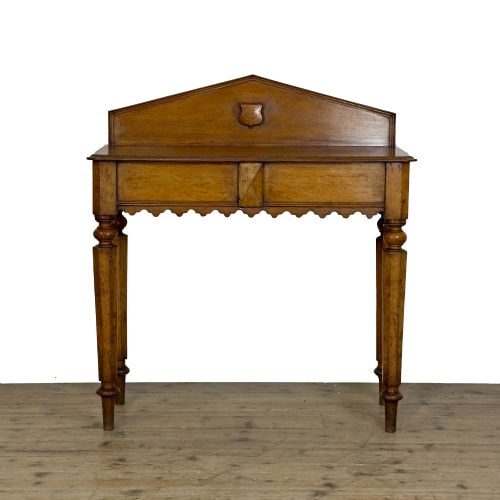
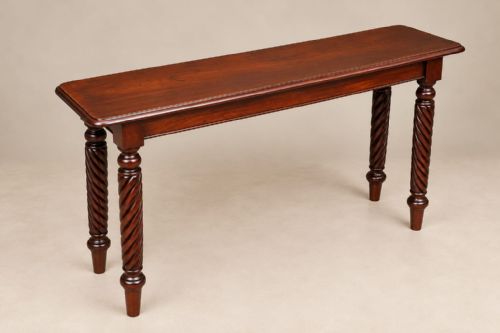
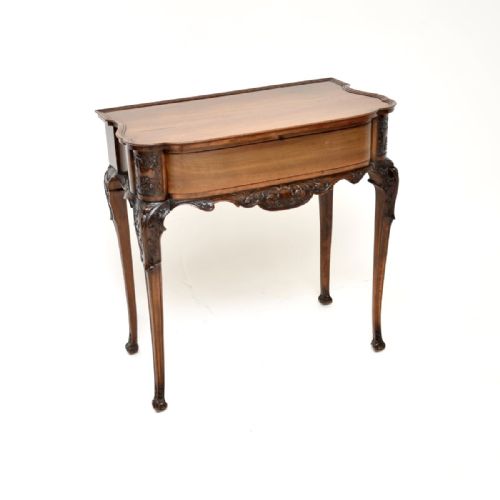
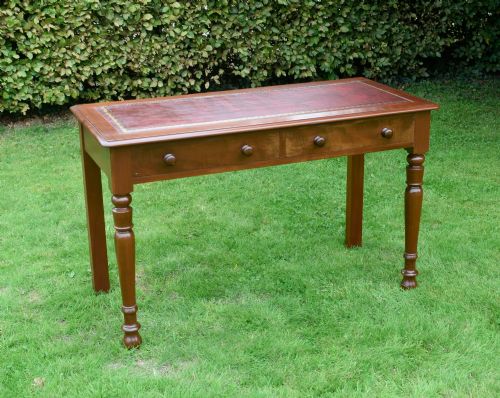
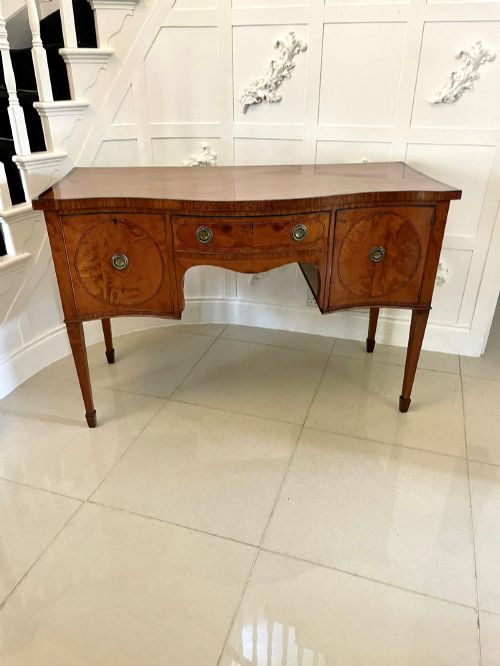
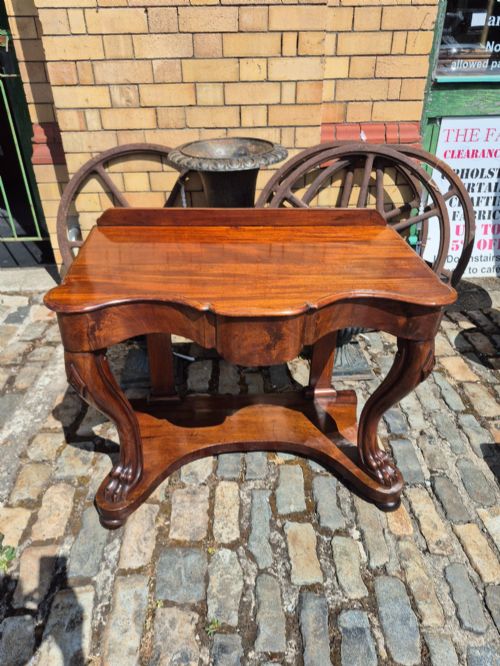
When searching for a victorian wooden hallway table, buyers encounter a diverse selection of nineteenth-century console tables, side tables, and specialised hall furniture designed for narrow domestic spaces. The listings demonstrate that mahogany, oak, and walnut form the primary timber vocabulary of these entrance pieces.
Console tables and carved side tables dominate the available forms, often featuring single drawers or shaped serpentine tops suited to narrow passageways. Alongside dedicated console tables, the selection includes related entrance furniture such as hall stands, washstands, and serving tables adapted for similar spatial roles.
How they were made
Cabinet makers utilised dense hardwoods such as mahogany, oak, and walnut, frequently selecting figured veneers for visual depth on drawer fronts and table tops. Secondary timbers like pine appear in structural framing and drawer linings.
Construction techniques rely on traditional joinery, complemented by hand-carved ornamentation in styles ranging from Jacobean Revival to Victorian Gothic Revival. Brass hardware, metal fittings, and occasional marble tops complete the assembly of these functional domestic items.
Victorian Wooden Hallway Table Retail Price Guide 2026
Typical asking prices for victorian wooden hallway table among the pieces listed under this phrase on Sellingantiques today, from the lower quarter to the upper quarter. They describe what is for sale here now, not the wider market.
One surviving mahogany side table bears later sign-writing for the Midland Grand Hotel.
What varies in quality
The degree of hand-carving and the choice of timber figure distinguish standard utility tables from finer reception pieces. Crispness of execution in timber mouldings and the selection of well-figured mahogany or walnut separate the top tier from simpler pine or ash variants.
Structural integrity depends upon the preservation of original joinery and the condition of the timber surface. Tables retaining their original brass handles and unblemished wood polish demonstrate superior preservation compared to those with extensive replacements.
The Victorian Wooden Hallway Table Glossary
- Console table
- A table designed to stand against a wall, frequently supported by brackets or legs at the front. These pieces serve narrow spaces such as hallways and corridors.
- Serpentine
- A furniture top or front characterised by a wavy outline featuring a convex centre flanked by concave curves. This contour adds dynamic movement to nineteenth-century case pieces.
- Campaign furniture
- Portable pieces constructed for travel, typically featuring recessed brass handles and corner brackets. They offer robust portability combined with domestic refinement.
- Washstand
- A wooden piece equipped with a surface for a basin and jug, occasionally featuring a marble top. Many survive repurposed as hallway or side tables.
- Etagere
- A set of open shelves for displaying small objects or books. When built as a console table, it combines surface utility with tiered display space.
Victorian Wooden Hallway Table: Frequently Asked Questions
Where should I place a hallway table?
These tables fit naturally against entrance walls where surface space is needed for post and keys. Their narrow footprints prevent them from obstructing busy thoroughfares.
Positioning one beneath a mirror or coat hooks creates a balanced focal point upon entering the home. They also serve effectively in landings and reception rooms.
How do I care for antique wood?
Regular dusting with a soft, dry cloth preserves the polished finish of nineteenth-century timbers. Avoid placing wooden furniture in direct sunlight or near heat sources.
Applying a quality beeswax periodically nourishes the grain without building up heavy chemical residues. Care should be taken to protect surfaces from moisture.
What is the difference between a console and side table?
A console table is specifically shaped to stand flush against a wall, traditionally supported by wall brackets or decorative front legs. Side tables are freestanding pieces finished on all sides.
In nineteenth-century usage, the terms frequently overlap as makers adapted forms for domestic hallways. Both provide useful surface area in confined spaces.