
Victorian Wooden Hall Table
A victorian wooden hall table brings functional utility and period character to an entranceway through varied timber forms and traditional craftsmanship.
Victorian Wooden Hall Table
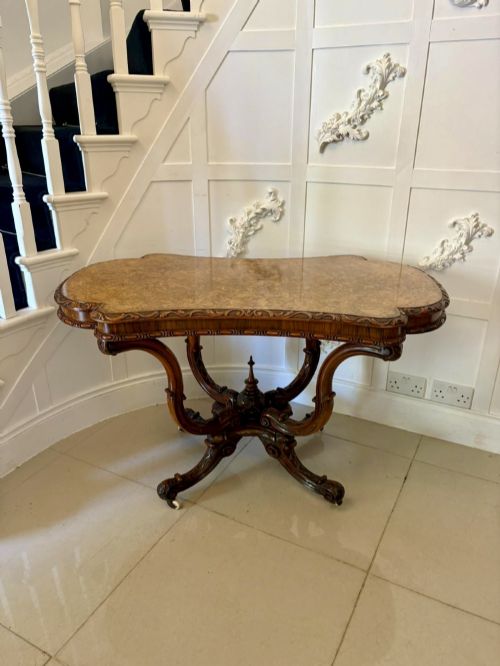
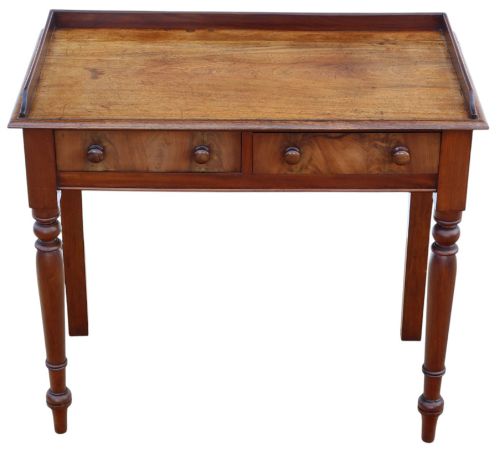
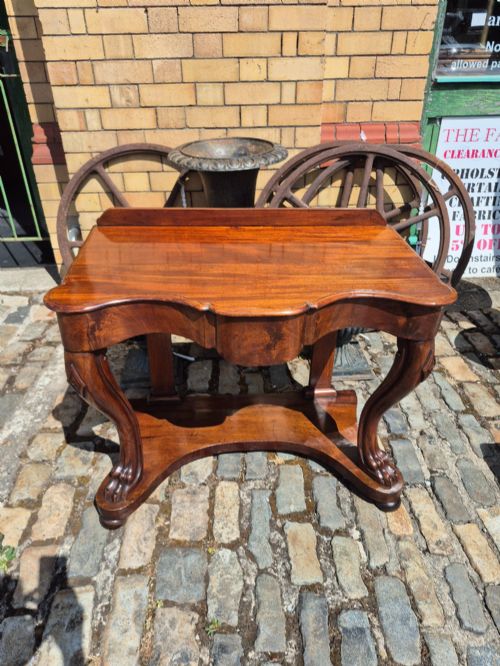
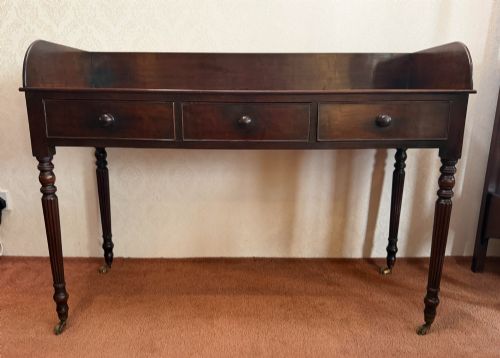
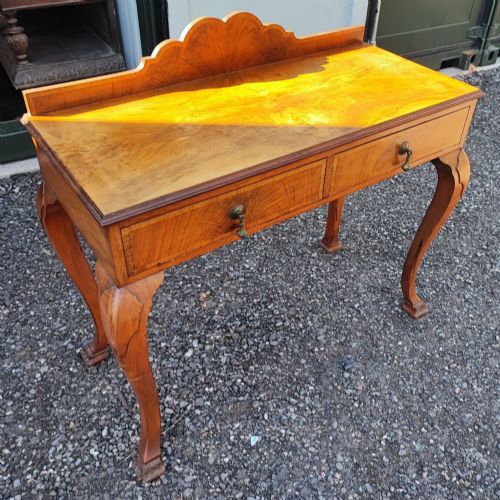
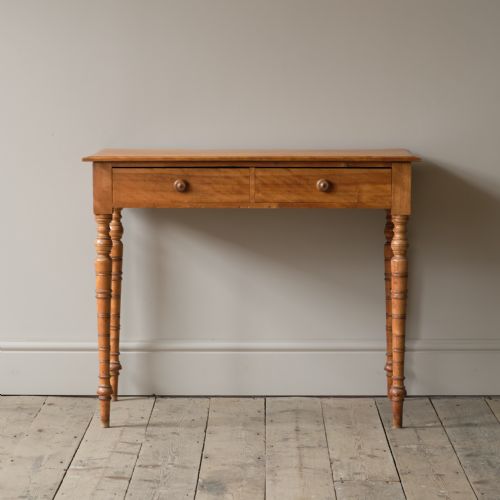
A victorian wooden hall table typically manifests as a side table, console table, or writing table designed for an entrance space or passage. These pieces originate primarily from the nineteenth century, displaying the characteristic proportions and utility of the period.
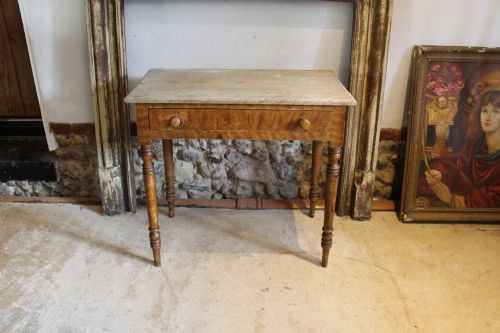
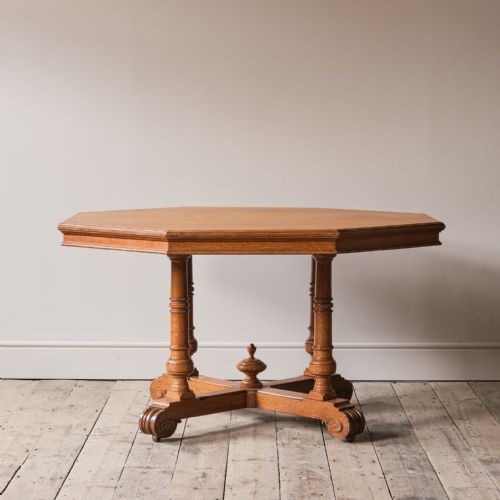
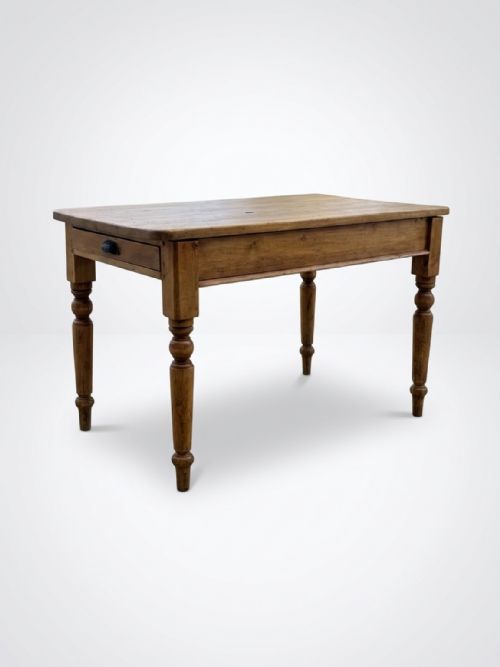
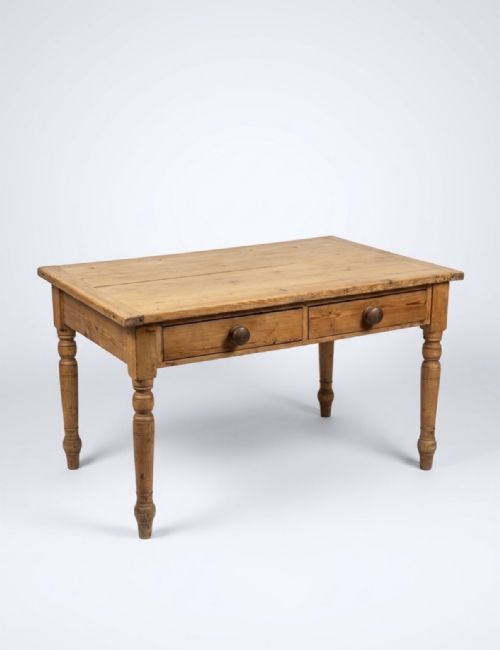
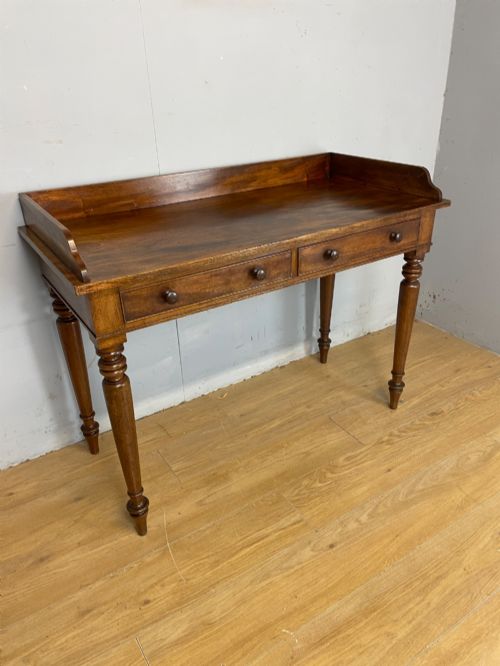
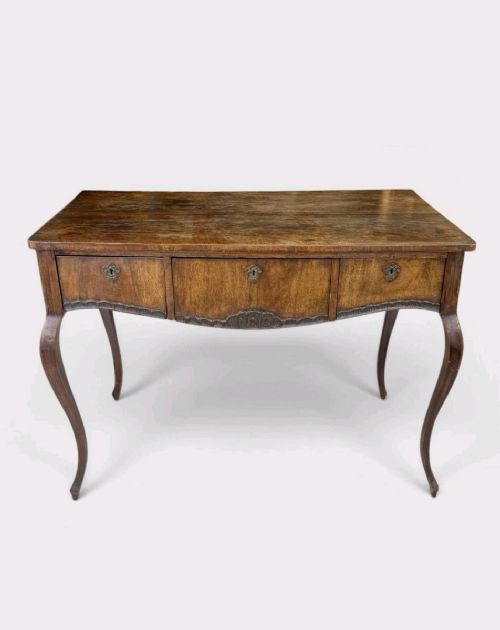
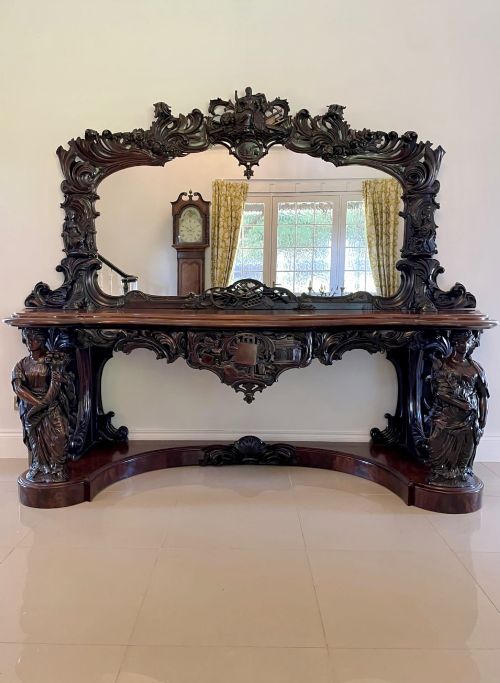
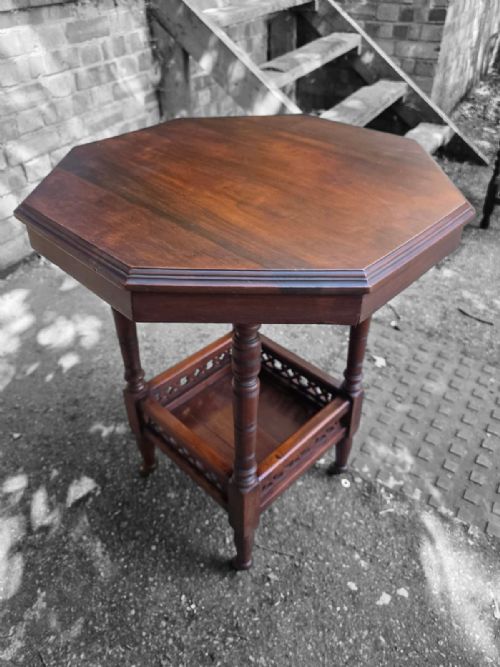
The selections available include simpler country pine and pitch pine formats alongside more formally carved mahogany, walnut, and burr walnut examples. Variations stretch from compact single-drawer side tables to large mirror-backed console tables and octagonal occasional tables.
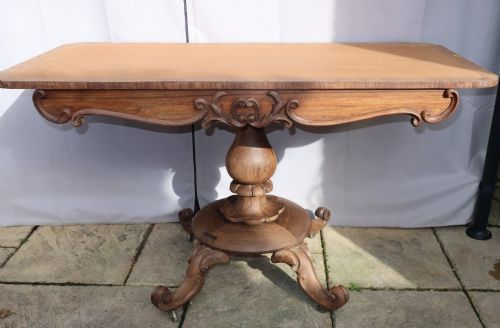
Stylistic influences across these pieces span straightforward utilitarian designs to pieces touched by the Aesthetic Movement, Arts and Crafts ideals, and Gothic revivalism. Buyers encounter diverse structural formats adapted for narrow spaces, ranging from demi-lune consoles to rectangular servers.
Materials and Construction
Carpenters utilised a broad selection of timbers, pairing dense hardwoods like mahogany, walnut, and satin birch with robust softwoods including pine, pitch pine, and satin walnut. Selected pieces incorporate brass hardware, scumble paint, or specialised inlay to enrich the primary wooden surfaces.
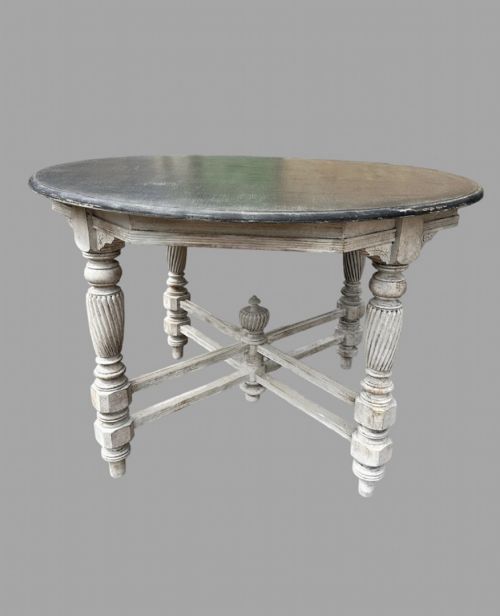
Joinery methods rely upon traditional woodcraft techniques suited to structural longevity, supporting heavy drawers and substantial legs. Surface treatments range from clear wax polishes that highlight flame mahogany and burr walnut grains to original painted finishes and ebonised treatments.
Craftsmanship and Proportion
Superior examples separate themselves through the selection of choice timber figures, such as highly figured burr walnut or flame mahogany veneers, matched with refined hand-carving. The integration of maker attributions, such as work originating from established firms, elevates a piece above standard workshop production.
Structural complexity and original surface integrity also define the upper tier, distinguishing exhibition-quality console tables with mirror backs or sophisticated inlay from straightforward utilitarian pine washstands and side tables.
Gregory & Co·Hindley and Sons·William Birch·Liberty of London
The Victorian Wooden Hall Table Glossary
- Console table
- A table designed to stand against a wall, frequently supported by brackets or legs at the front. These shapes suit narrow hallways where floor space remains at a premium.
- Side table
- A small functional table positioned against a wall or beside other furniture. They frequently incorporate single or dual drawers for domestic storage.
- Burr walnut
- A specialised wood veneer taken from the growth growths of a walnut tree. It creates a swirling, highly decorative pattern across table tops.
- Scumble paint
- A decorative paint technique applied to simulate the appearance of more expensive timber grains. It appears frequently on country pine furniture.
- Aesthetic Movement
- A late nineteenth-century design style emphasising visual beauty over narrative meaning. Pieces from this movement often display ebonised finishes or geometric inlays.
Victorian Wooden Hall Table: Frequently Asked Questions
Where did people place these tables?
These tables stood in hallways, reception rooms, and entrance passages to provide a surface for correspondence, keys, and calling cards.
Their narrow footprints allowed them to fit into circulation spaces without obstructing movement through the home.
How do I identify a period piece?
Period identification relies upon examining timber types, construction methods, and stylistic details associated with nineteenth-century cabinetmaking.
Look for traditional joinery, patination on the wood surfaces, and hardware consistent with Victorian manufacturing techniques.
Are these tables suitable for daily use?
Solid construction and durable timbers allow these tables to function reliably in modern entranceways.
Careful placement away from direct heat sources helps preserve the antique wood surfaces and traditional finishes.
What distinguishes a console from a side table?
Console tables traditionally anchor directly against a wall, sometimes requiring structural support or brackets to maintain stability.
Side tables stand independently on four legs and move easily between different rooms within a house.