

Victorian Wooden Frame
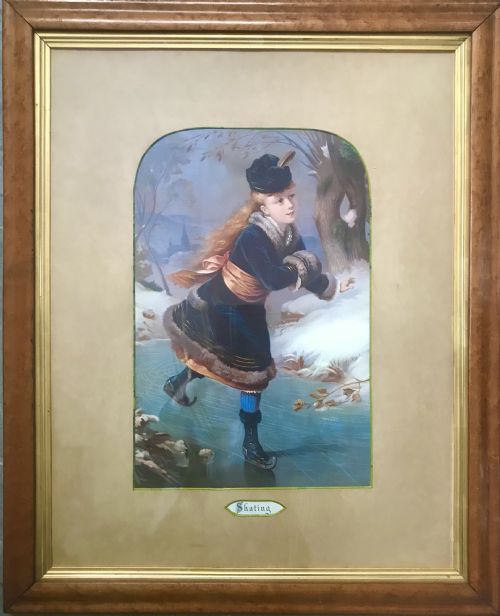
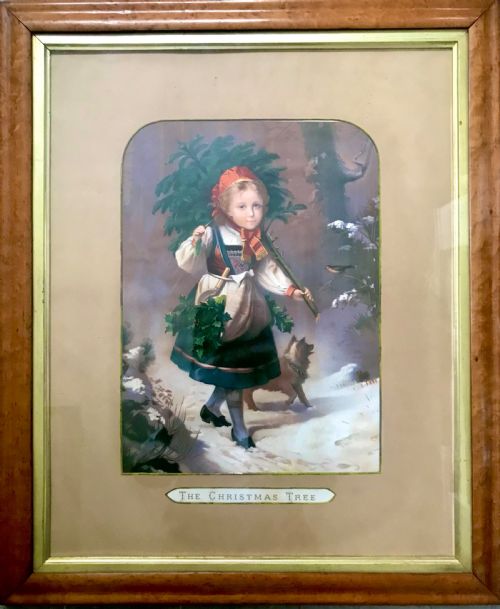
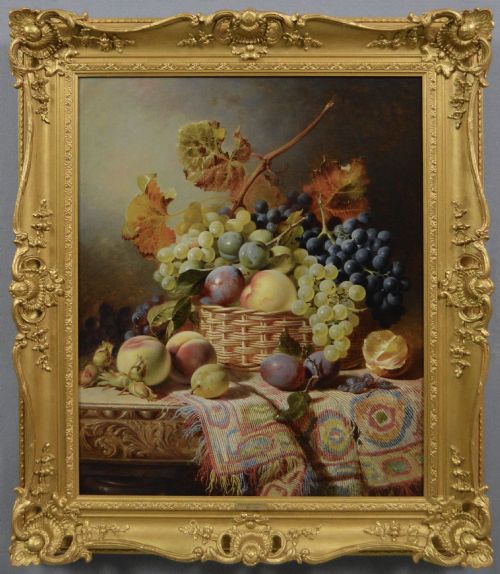
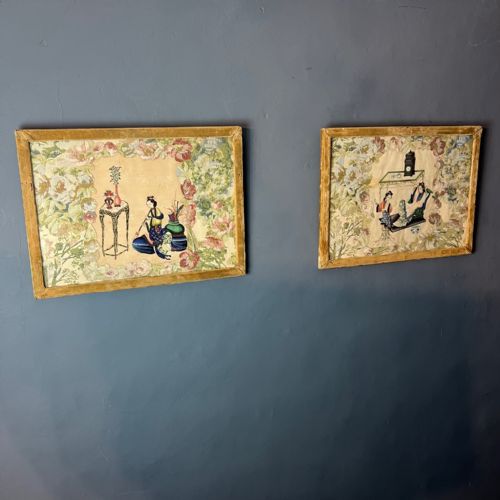
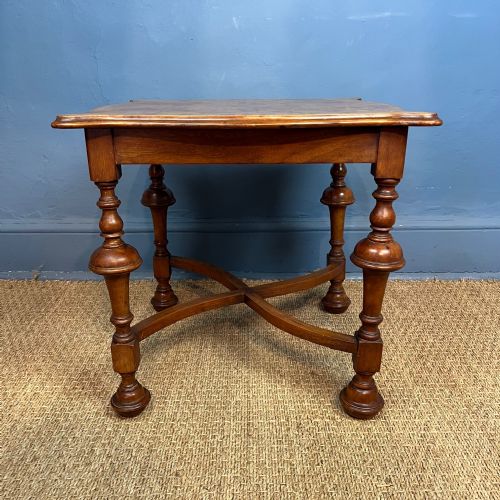
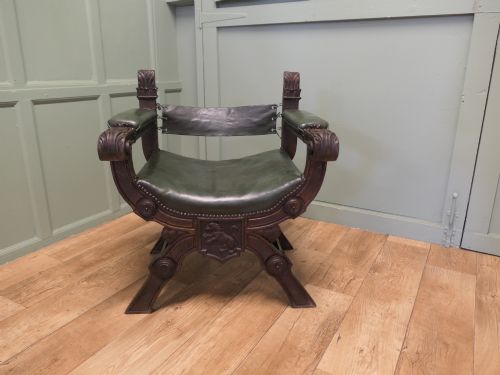
These pieces for a victorian wooden frame bring warmth and texture to a room, offering sturdy construction and distinct period character.
Victorian Wooden Frame
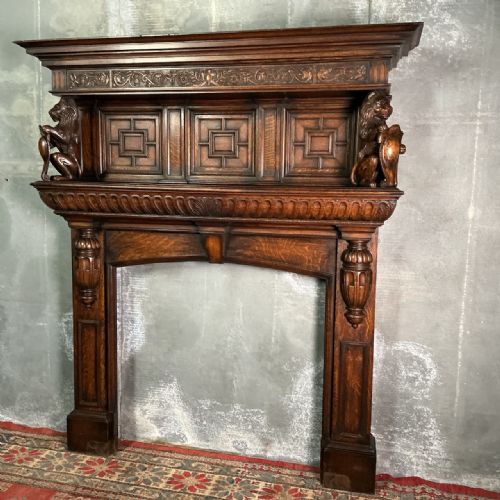
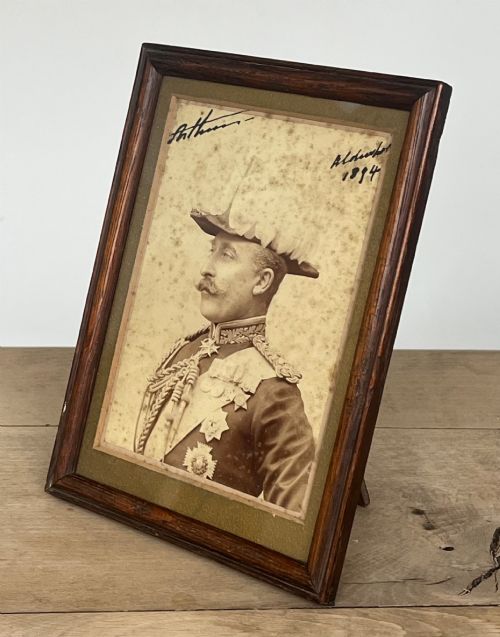
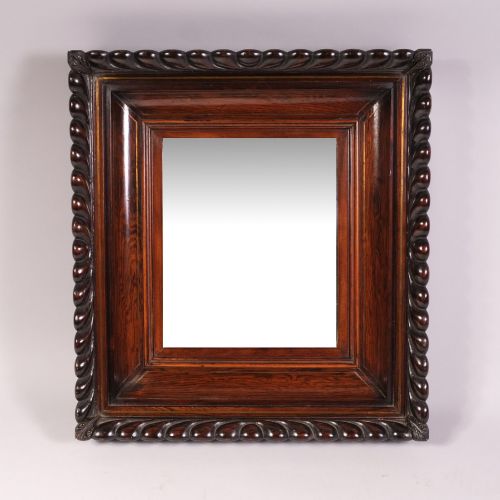
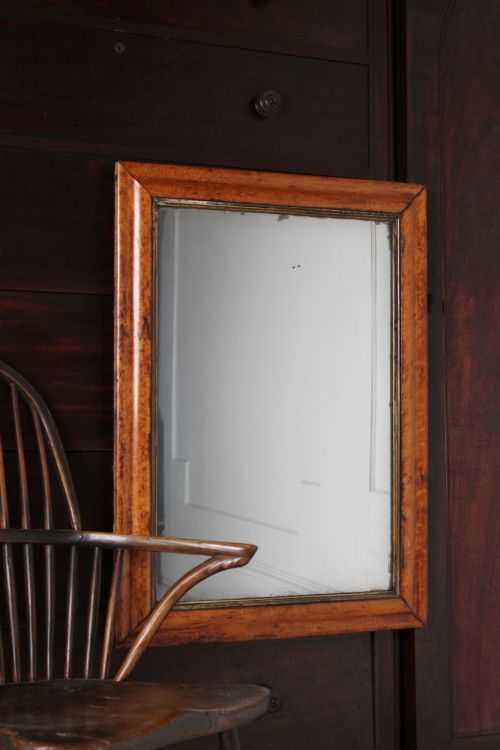
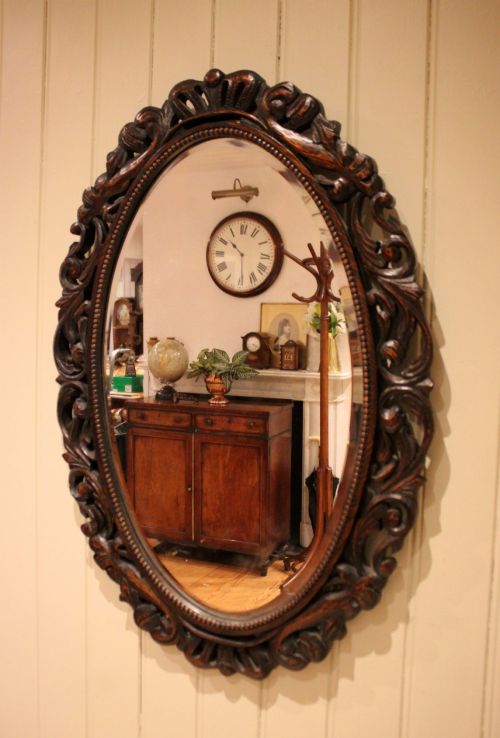
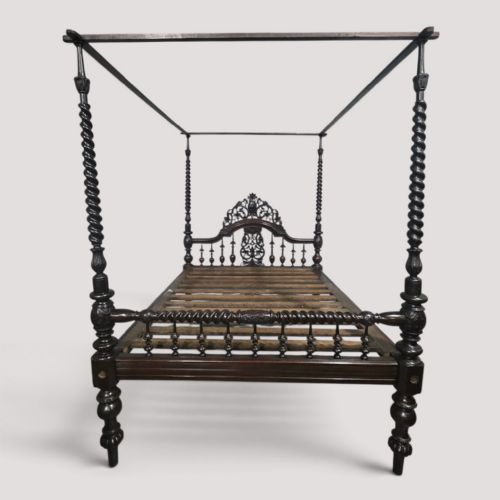
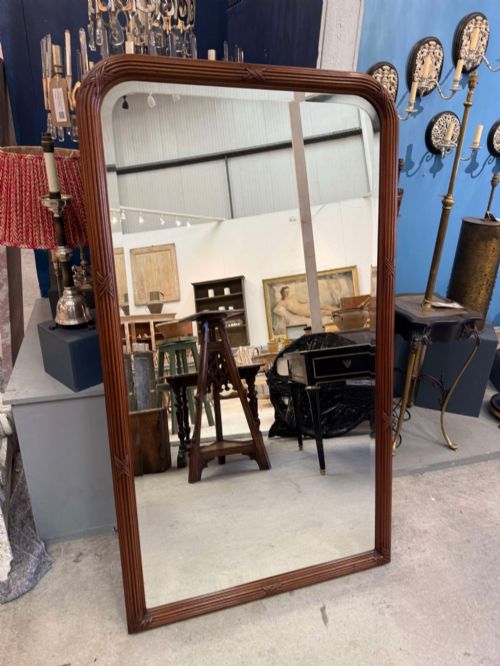
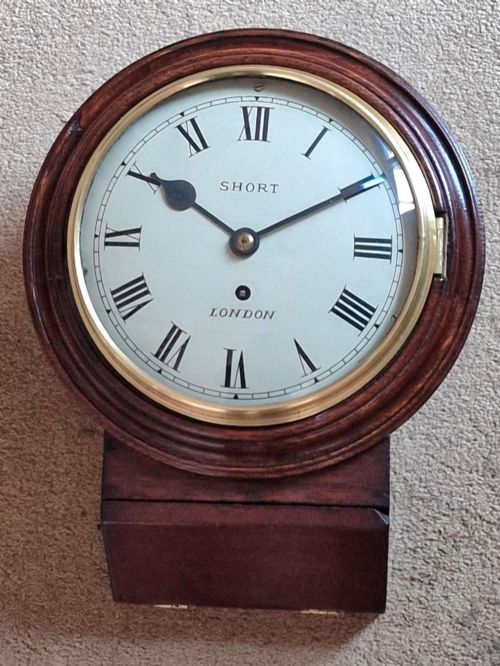
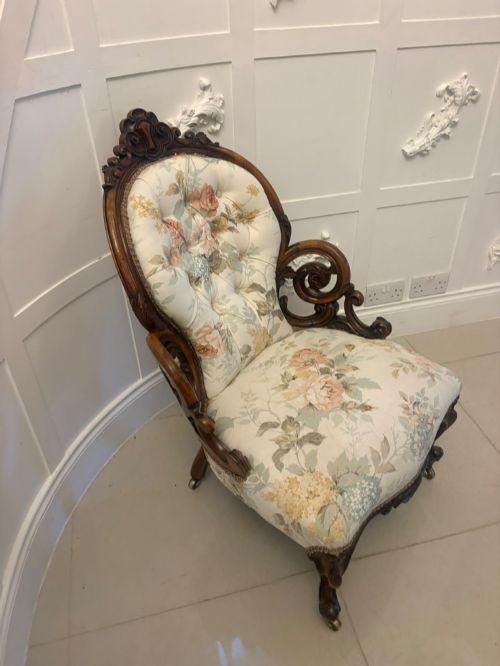
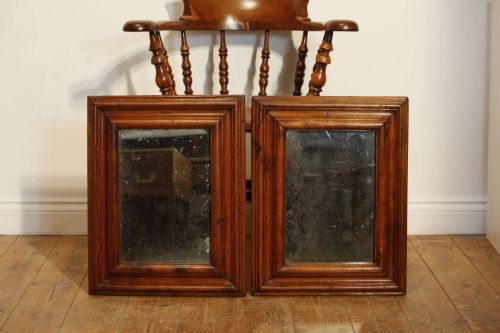
A victorian wooden frame supports various household objects, most commonly appearing as wall mirrors, overmantel mirrors, and seating such as armchairs and beds.
The selections span the nineteenth century and the Victorian era, alongside Regency and turn of the century examples.
Makers utilised native and exotic timbers to construct practical furnishings for domestic interiors.
How they were made
Carpenters worked with solid timbers including oak, walnut, mahogany, and maple, often combining woods to create contrasting borders and panels.
Carvers applied hand techniques to shape intricate foliage and architectural details into the timber, sometimes finishing surfaces with gesso and gilt.
Victorian Wooden Frame Retail Price Guide 2026
Typical asking prices for victorian wooden frame among the pieces listed under this phrase on Sellingantiques today, from the lower quarter to the upper quarter. They describe what is for sale here now, not the wider market.
Listings feature oak, walnut, mahogany, and maple timbers across the nineteenth century.
What varies in quality
The depth and crispness of the hand carving distinguish standard items from superior productions.
Timber selection dictates the visual appeal, where burr grain and matched veneers elevate the overall presence of the piece.
Holland and Sons·P and MA Nicholson
The Victorian Wooden Frame Glossary
- Gesso
- A plaster mixture applied to wood surfaces to create a smooth base for gilding or painting. This material provides the foundation for ornate raised decoration.
- Overmantel mirror
- A large mirror designed to hang above a fireplace mantelpiece. These items typically feature substantial wooden framing to anchor the hearth area.
- Cheval mirror
- A full length mirror hung in a freestanding frame that allows the glass to tilt. Carpenters mounted these swiveling plates on sturdy wooden supports.
- Burr maple
- Timber taken from a tree growth that produces swirling, highly decorative grain patterns. Cabinet makers prized this wood for distinctive furniture accents.
Victorian Wooden Frame: Frequently Asked Questions
How do I clean a wooden frame?
Dust the timber regularly with a dry, soft cloth to prevent buildup. Avoid using modern chemical sprays that can damage historic finishes.
Apply a traditional beeswax polish sparingly if the wood appears dry. Buff gently with a clean cloth to maintain a natural sheen.
Can I hang a heavy wall mirror safely?
Check the weight of the mirror and ensure your wall structure can support the load. Use appropriate fixings rated for heavy items.
Consult a professional installer if you are unsure about wall fixings. Secure the frame with sturdy brackets to distribute the weight evenly.
What is the difference between oak and mahogany frames?
Oak frames display a prominent grain and a heavier appearance suitable for rustic or Gothic interiors. Makers often utilised oak for robust seating and large architectural mirrors.
Mahogany offers a denser, finer grain with darker reddish tones associated with formal styling. This timber allowed craftsmen to execute sharp, detailed carvings.
Where should I place a framed mirror?
Position mirrors opposite windows to reflect natural light and brighten darker corners of a room. Overmantel mirrors work best centred above a fireplace.
Ensure the hanging height suits the surrounding furniture and room proportions. Avoid areas exposed to direct, harsh sunlight to protect the wood.