



Victorian Wooden Candle Holder
A victorian wooden candle holder brings warmth and heavy grain into a room, shaped through nineteenth-century hands from walnut, mahogany, and olive wood.
Victorian Wooden Candle Holder
A victorian wooden candle holder encompasses turned treen sticks, travelling chamber sticks, and tall torcheres made during the nineteenth century. These objects served functional lighting needs in domestic rooms before electric illumination changed household routines entirely.
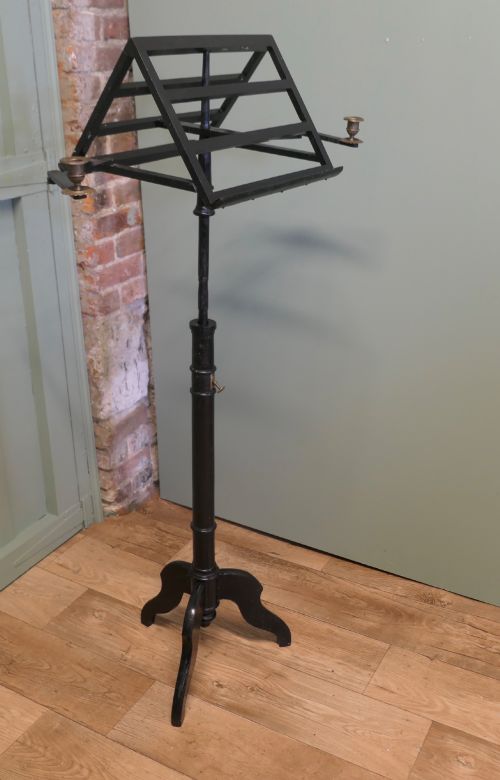
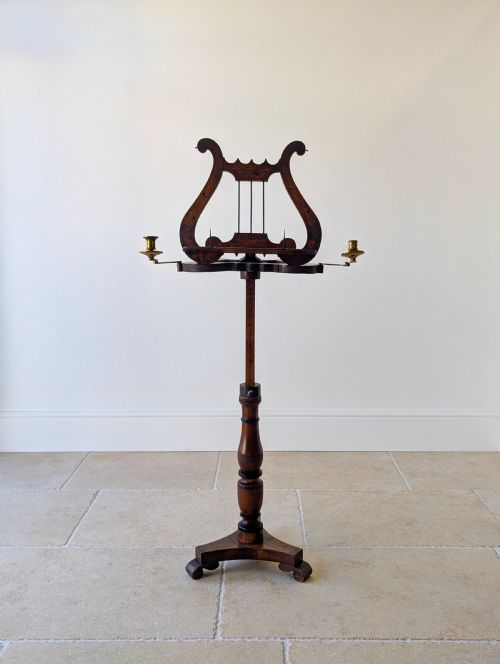
The selection on this page leans toward turned walnut and mahogany forms, alongside carved figures and travel-sized treen pieces. Buyers find both simple domestic items and decorative musical stands adapted to hold candles for reading.
Most examples originate from British workshops, though continental pieces and Italian walnut items appear among the listings. Each piece reflects the specific wood-turning and carving methods common to the decades between the Regency period and the Edwardian era.
How they were made
Turners shaped dense timbers like lignum vitae, walnut, and mahogany on lathes to create spiral stems and smooth candle sockets. Cabinetmakers joined turned shafts to heavy socle bases to ensure stability for burning wax tapers.
Metal components such as brass nozzles and iron fittings appear alongside the timber to protect the wood from direct flame. Hand-carved details, seen on figural sticks and foliate stands, show the work of nineteenth-century artisans using chisels and gouges.
Victorian Wooden Candle Holder Retail Price Guide 2026
Typical asking prices for victorian wooden candle holder among the pieces listed under this phrase on Sellingantiques today, from the lower quarter to the upper quarter. They describe what is for sale here now, not the wider market.
Listings feature woods including mahogany, walnut, olive wood, lignum vitae, and ebonised hardwood spanning the nineteenth century.
What varies in quality
The weight and density of the chosen timber dictate the tactile presence of a victorian wooden candle holder. Denser hardwoods like lignum vitae and olive wood hold crisp turned lines better than softer woods over generations of handling.
The integration of brass fittings and the crispness of hand-carving separate standard turned production from superior pieces. Original surfaces with honest patination carry greater visual depth than stripped or heavily refinished timber.
The Victorian Wooden Candle Holder Glossary
- Treen
- Small handmade wooden objects for the home. These domestic utensils and treen candlesticks display utilitarian shapes turned on a lathe.
- Torchere
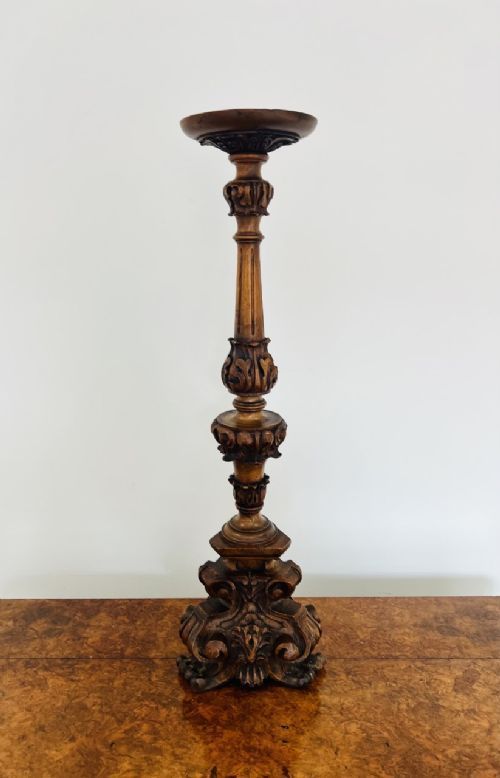
- A tall ornamental stand for a lamp or candle. These tall wooden pedestals raise the light source above ordinary table height.
- Chamber stick
- A low candlestick with a pan and handle. This portable design allowed people to carry their candle safely between rooms at night.
- Brighton bun
- A small pocket travelling candlestick shaped like a bun. The wooden halves unscrew to store the candle safely during travel.
- Socle
- A short plain plinth supporting a figure or vessel. This heavy base gives stability to tall candlesticks and carved figures.
Victorian Wooden Candle Holder: Frequently Asked Questions
What is a treen candlestick?
A treen candlestick is a small domestic lighting piece turned from dense hardwoods by nineteenth-century woodworkers. These items were used daily in parlours and bedrooms before the arrival of gas and electric lighting.
Collectors prize treen for its tactile warmth and the way handling over generations polishes the grain. Each piece shows the distinct tool marks of the lathe on walnut, boxwood, or lignum vitae.
How do I use these safely?
These historical pieces accommodate standard taper candles, though modern safety glass or drip guards protect the ancient timber. Place them away from drafts where melting wax might reach the dry wood.
Most antique holders feature brass bobeches or metal inserts designed to catch dripping wax. Clean any residual wax with warm water rather than harsh solvents to preserve the original patina.
How do I date a wooden candlestick?
Dating relies on the turned profile, timber choice, and construction methods visible in the base and socket. Regency and William IV pieces often use heavy mahogany or rosewood with bold classical turnings.
Later nineteenth-century examples incorporate Gothic Revival motifs or spiral carving popular during the aesthetic movement. Tool marks left by hand lathes differ noticeably from the uniform precision of twentieth-century machinery.
Why do some have brass fittings?
Brass sockets and nozzles were fitted to wooden candle holders to prevent the open flame from scorching the timber. Metal components also provided a secure, non-flammable seating for the base of the candle.
Makers combined brass with walnut, mahogany, and ebonised wood to create contrast and structural durability. This mix of materials is particularly common in chamber sticks and reading stands.