
Victorian Wooden Brackets
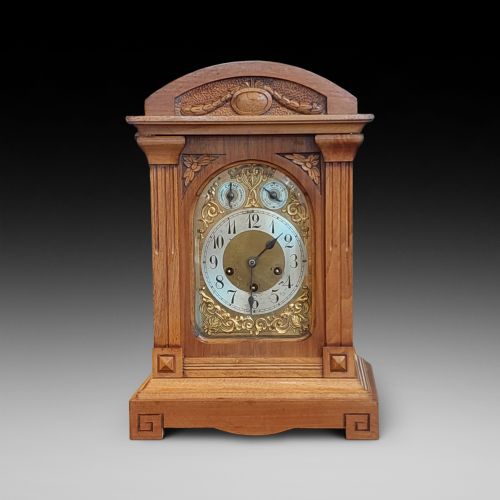
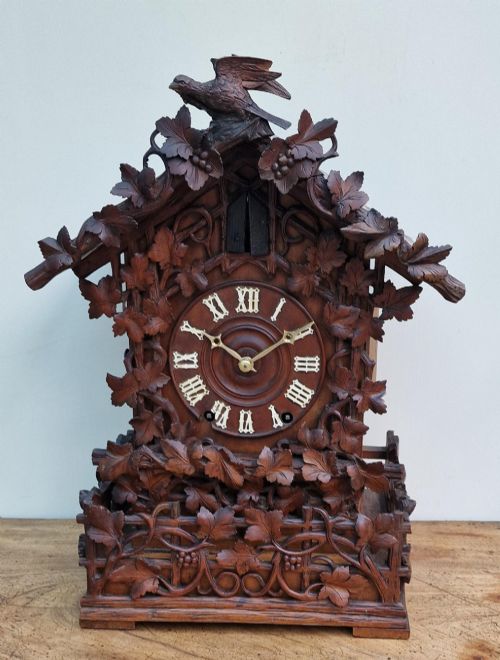
Victorian wooden brackets are architectural and display supports crafted in the nineteenth century, chosen by buyers to mount clocks and shelves with period character.
Victorian Wooden Brackets
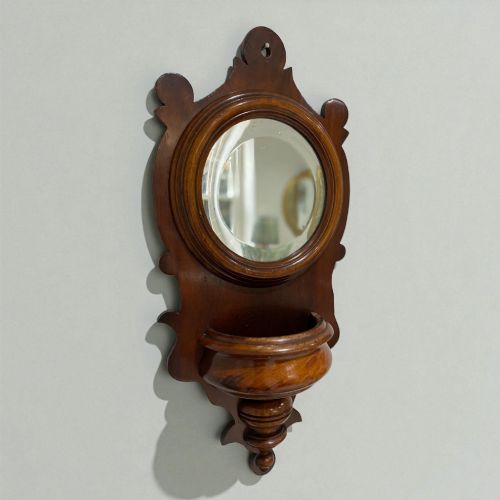
Victorian wooden brackets emerge from nineteenth-century interiors as functional supports designed for walls and overdoors. The selection spans decorative wall display brackets, carved corbels, and structural ledges intended to hold objects or architectural weight.
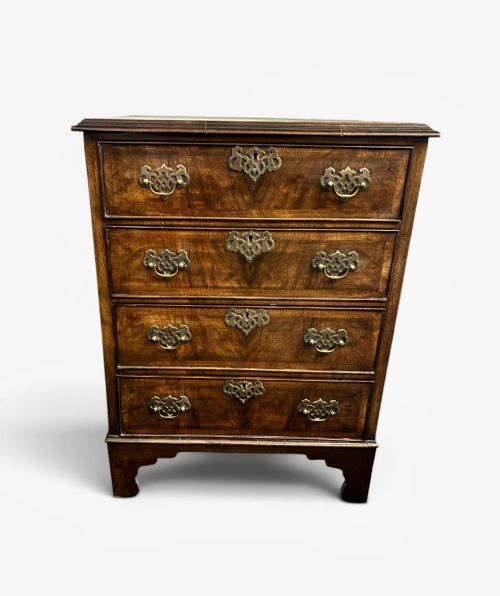
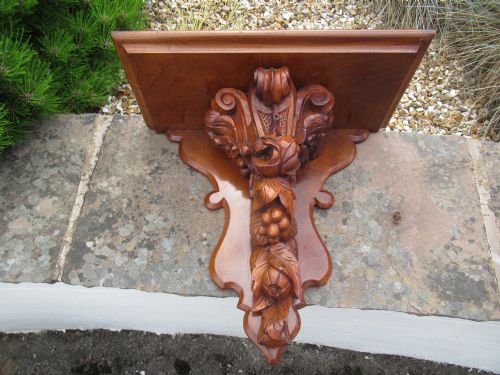
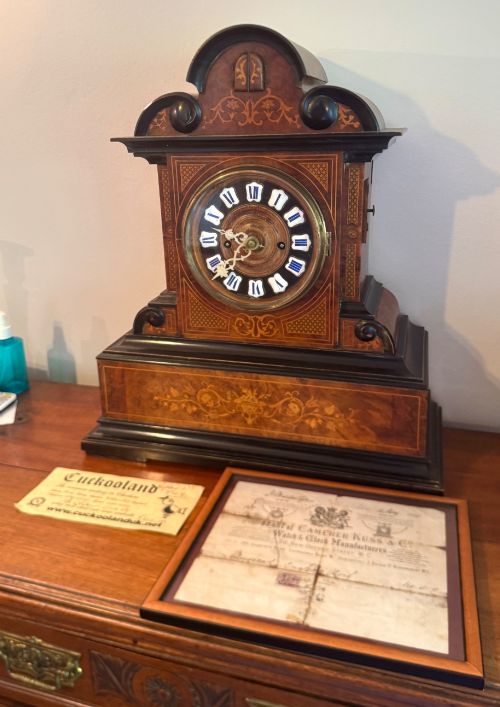
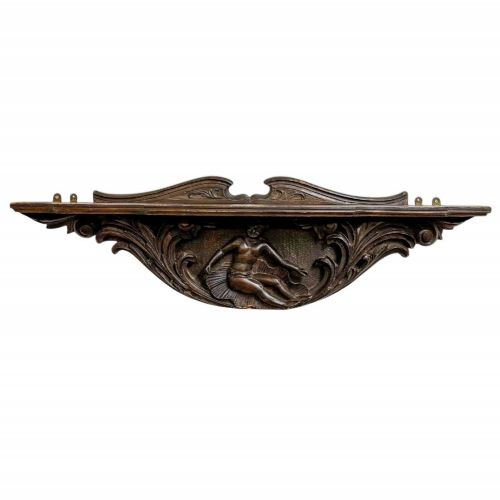
The versions met most often on this page take the form of walnut, mahogany, and pine wall brackets or shelves dating between eighteen fifty and nineteen hundred. Pieces range from plain utility shelving to heavily carved decorative items influenced by Gothic Revival and Sorrento inlay work.
How they were made
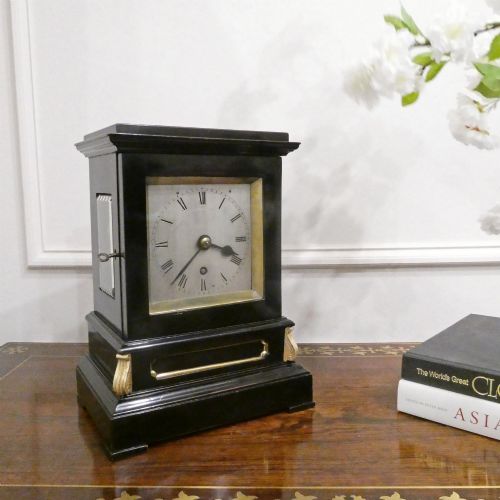
Makers fashioned these supports using dense timbers recorded across the period, notably mahogany, walnut, oak, pine, and ebonised wood. Joinery and carving techniques varied from simple bracket cuts to intricate applied mouldings and floral or architectural motifs.
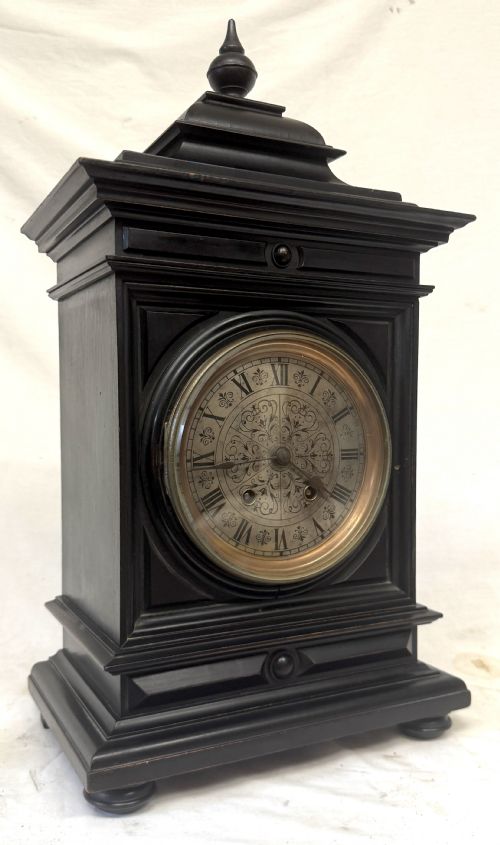
Surface treatments relied on traditional polishing and ebonising to alter the appearance of the wood grain. Carved red walnut and olive wood sections demonstrate the deliberate selection of timber figure to enhance the visual impact of the bracket.
Listings feature items spanning the Victorian period, the nineteenth century, and specific decades from eighteen fifty to nineteen hundred.
What varies in quality
Quality separates through the depth and crispness of the carving, distinguishing sharp hand-worked details from softer profile cuts. The choice of timber also dictates grade, with figured walnut, burr details, and dense mahogany representing superior selection over standard pine.
Structural integrity and the retention of original surface finishes define the upper tier of surviving pieces. The precision of joint construction and the harmony of proportion relative to scale indicate the skill of the original workshop.
George Wadham Bath·Winterhalder and Hofmeier·Webster Cornhill London·S Simpson Southampton·Mappin and Webb
The Victorian Wooden Brackets Glossary
- Corbel
- A structural bracket projecting from a wall to support a weight above it. These architectural elements often feature heavy carved wood detailing.
- Ebonised wood
- Timber treated with a dark finish to imitate ebony. This technique was popular in nineteenth-century cabinetmaking for dramatic contrast.
- Sorrento inlay
- Decorative woodwork originating from Italy featuring detailed geometric or floral mosaic patterns. It frequently decorates nineteenth-century olive wood surfaces.
- Gothic Revival
- An architectural and decorative style drawing on medieval forms. Pieces display pointed arches, trefoils, and solemn vertical emphasis.
- Fusee
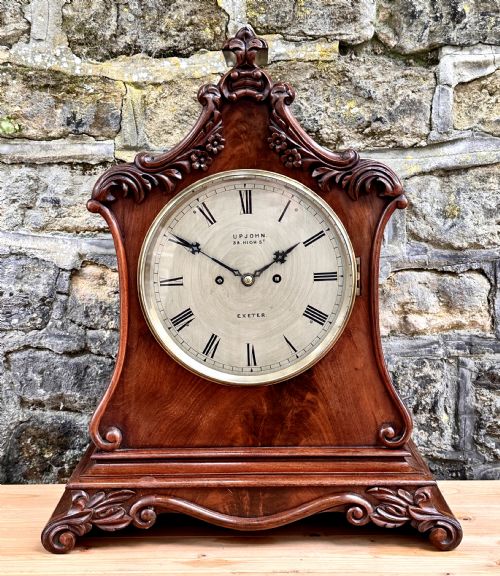
- A conical pulley used in clock movements to maintain equal power as the mainspring unwinds. This mechanism appears frequently in bracket clock movements of the period.
Victorian Wooden Brackets: Frequently Asked Questions
What were wooden brackets used for?
Nineteenth-century interiors utilised wooden brackets as structural supports for heavy shelf loads and projecting architectural elements. They also served as dedicated display platforms for clocks, ornaments, and porcelain.
Smaller examples frequently functioned as wall brackets for specialised timepieces or decorative corbels placed above doorways. Their dual purpose combined utility with the display of carved timber craftsmanship.
How do I date a Victorian bracket?
Dating relies on examining the timber species, construction methods, and stylistic influences present in the carving. Pieces from the middle of the nineteenth century often show heavier mahogany construction, while later decades introduce ebonised finishes and specific revival styles.
Cross-referencing the object type with recorded periods such as Gothic Revival or Sorrento inlay helps narrow the decade of production. Hardware marks and backplates, where present, offer further chronological clues.
How do I hang a wall bracket safely?
Safe hanging requires assessing the weight of the timber and the nature of the wall construction behind it. Original fixing points should be inspected to ensure the bracket can bear load without straining historical joinery.
Professional fixings suited to the specific wall type are necessary to support the projection of the shelf safely. Weight placed on the bracket must not exceed the capacity of the original mounting structure.
Are these brackets made of solid wood?
Surviving examples incorporate both solid hardwoods and softwoods depending on their function and regional workshop practices. Woods such as mahogany, walnut, and oak frequently appear as solid timber constructions.
Some decorative elements utilise applied veneers over a secondary timber core to achieve figured patterns. Examining the grain continuity helps determine the construction method used by the maker.