


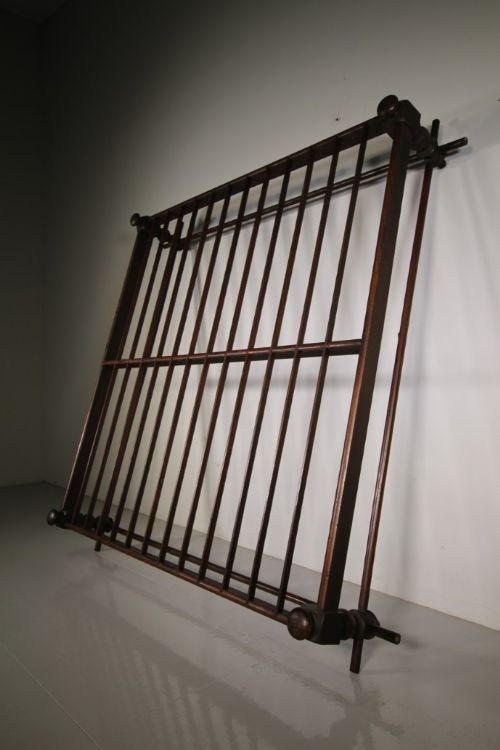
Victorian Wooden Airer
These Victorian wooden airer pieces are sturdy domestic helpers designed for drying textiles, offering practical utility and period character for the home.
Victorian Wooden Airer
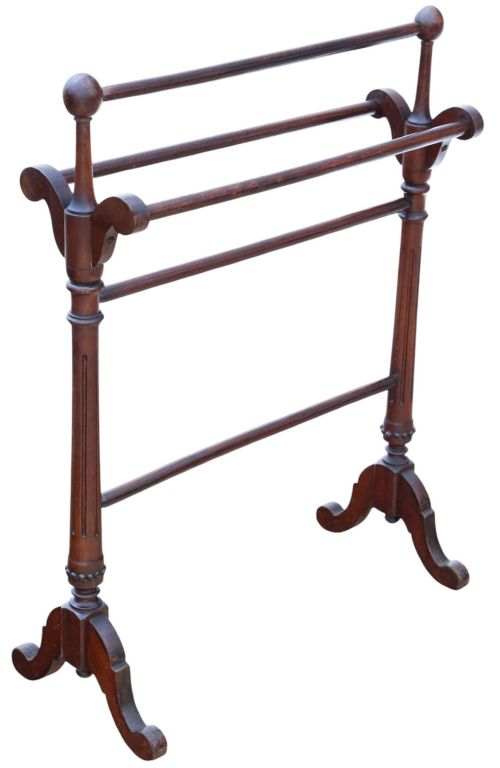
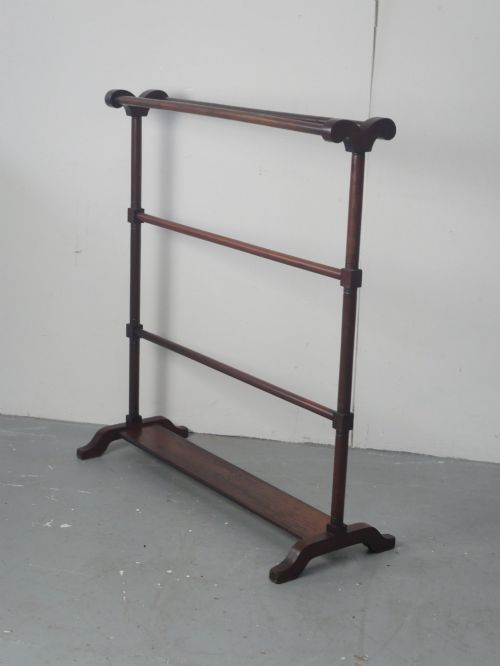
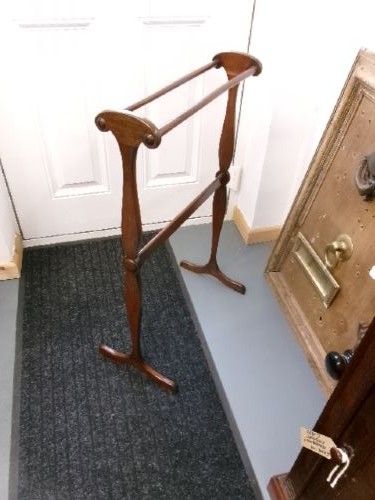
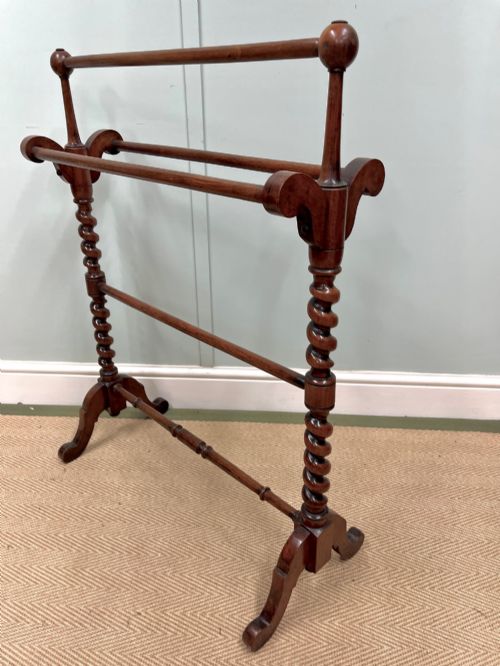
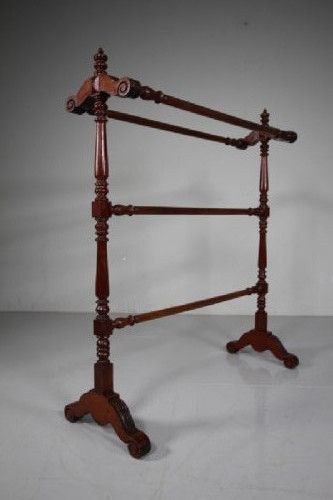
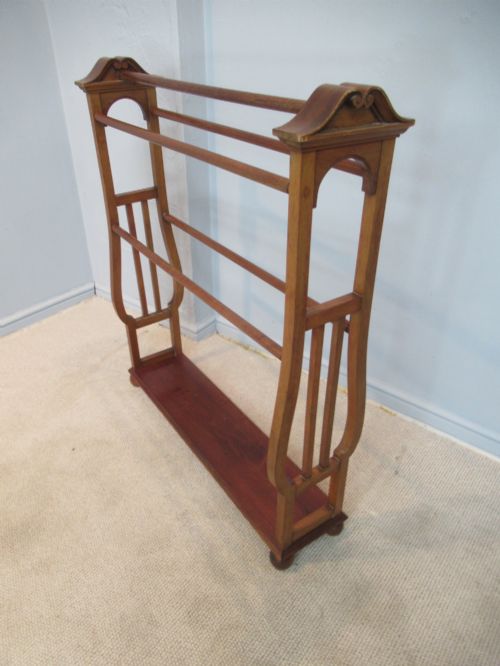
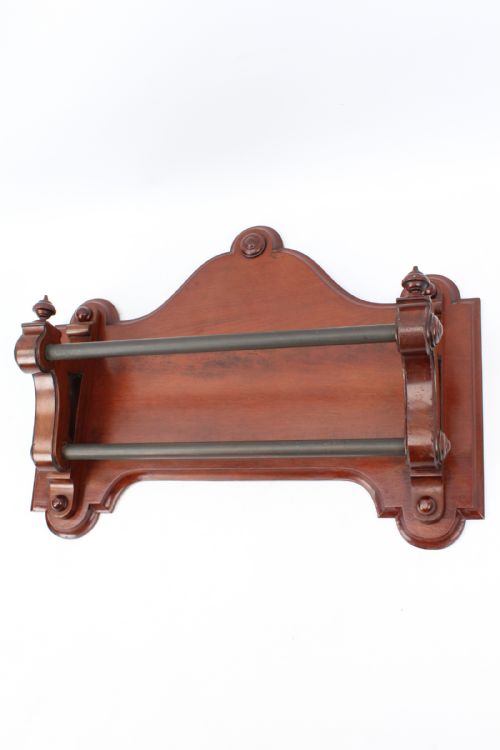
A victorian wooden airer takes various forms, most commonly appearing as standing towel rails, folding cheval rails, or hanging kitchen racks designed for domestic utility. These pieces originate across the nineteenth century and into the Edwardian era, spanning styles from Regency and William IV to Victorian Gothic Revival and Arts and Crafts.
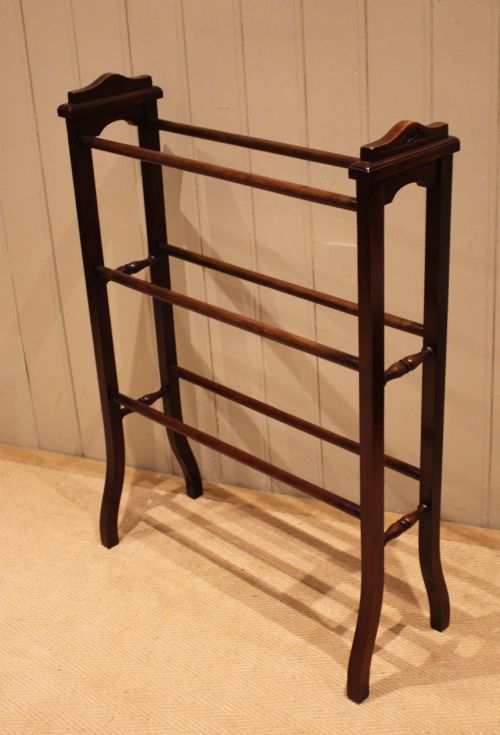
The version most frequently met on this page is the standing mahogany towel rail, often built with multiple rungs for drying textiles in bedrooms or dressing rooms. Alongside these, buyers encounter pine, oak, walnut, and ebonised wood examples, ranging from small table pieces to large oversized formats and wall-mounted clothes airers.
How they were made
These items rely principally on timbers such as mahogany, pine, oak, and walnut, chosen for structural stability and availability. Hardwood species provide durable framing for folding actions and multi-rail stands.
Metal components like brass and cast iron appear in functional fixings, hinges, and hanging brackets, supporting the wooden frames. Surface finishes include ebonised treatments and traditional polish, enhancing the natural grain of the wood.
Listings feature woods spanning mahogany, pine, oak, walnut, hardwood, and ebonised wood, alongside cast iron and brass.
What varies in quality
Quality in a victorian wooden airer rests on the selection of timber and the robustness of the joinery used to withstand daily hanging loads. Dense hardwoods like mahogany and figured walnut indicate a higher grade of manufacture than utilitarian pine.
Refinement of turning on the rails and sophistication in the folding mechanism distinguish standard utility pieces from fine country house examples. The presence of decorative details, such as Gothic Revival mouldings or ebonised finishes, sets apart more ambitious workshops.
The Victorian Wooden Airer Glossary
- Cheval rail
- A standing floor airer designed with a pivoting or folding frame, allowing sections to swing outward for increased drying space.
- Ebonised wood
- Timber treated with a dark stain or finish to imitate the appearance of ebony, popular in nineteenth-century decorative pieces.
- Gothic Revival
- A nineteenth-century design style incorporating medieval architectural motifs, pointed arches, and heavy proportions into furniture.
- Hanging rack
- A ceiling or wall-mounted timber frame fitted with bars or hooks, traditionally used in kitchens for drying laundry or foodstuffs.
- William IV
- A transitional design period spanning the 1830s, characterised by robust proportions and classical revival details before the full Victorian era.
Victorian Wooden Airer: Frequently Asked Questions
How were wooden airers used?
These pieces served households for drying laundry, warming linens, and airing garments near hearths or in bedrooms. Their multi-rail designs allowed damp textiles to be hung efficiently without touching.
Over time, owners moved them between kitchens, sculleries, and dressing rooms as domestic routines required. Today, they function similarly in modern bathrooms and utility spaces.
Where should I place an airer?
Standing towel rails and folding stands fit well in bathrooms, bedrooms, and laundry rooms as functional display pieces for towels and blankets. Wall-mounted and hanging racks utilise vertical space above radiators or in kitchens.
Ensure adequate clearance around folding cheval models so the frames can open fully. Their timber construction benefits from stable indoor humidity levels.
How do I date these pieces?
Dating relies on timber choice, construction methods, and stylistic indicators present in the woodwork and turning. Regency and William IV pieces often display heavier proportions and classical turning, while Arts and Crafts examples show plainer, functional joinery.
Victorian and Edwardian items span various woods like mahogany, pine, and oak, with Gothic Revival pieces showing distinct architectural ornamentation. Comparing rail joints and turning profiles helps narrow the decade of origin.
Are these airers sturdy enough?
Nineteenth-century wooden airers were built for heavy daily domestic service using solid hardwoods and secure joinery. Mahogany and oak frames typically offer excellent rigidity for holding damp textiles.
Checking the stability of the feet and the tightness of the rail tenons ensures the piece remains reliable for everyday use. Regular gentle cleaning preserves the structural integrity of the wood.