

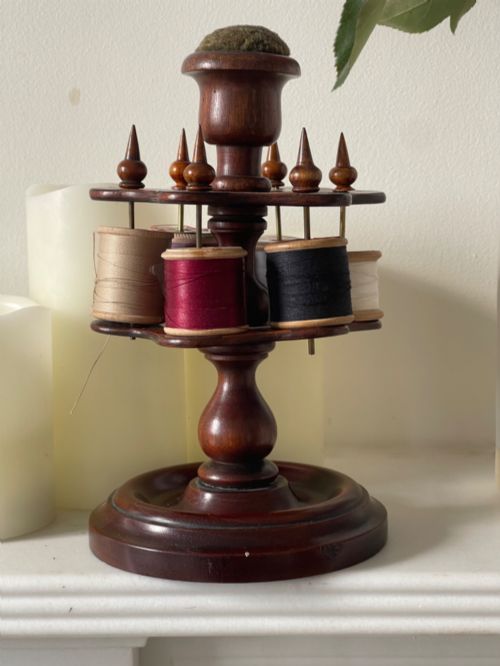
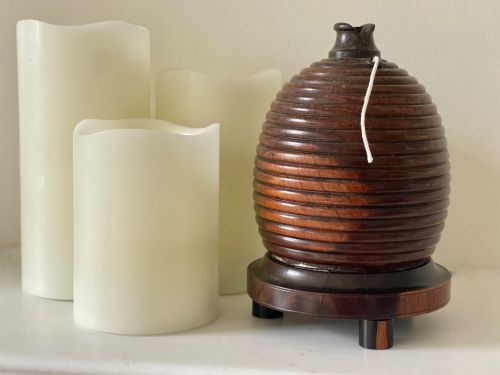
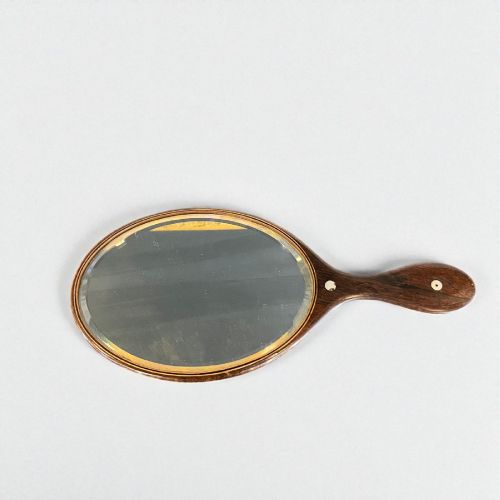
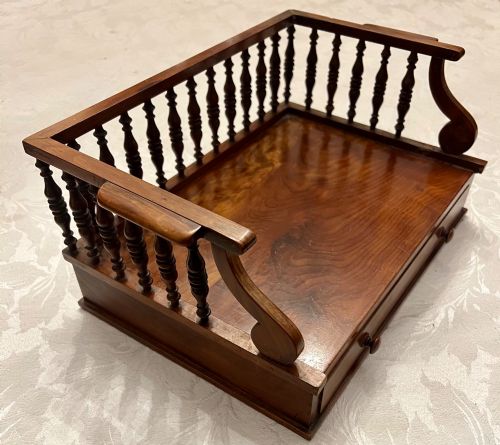
Victorian Wooden Accessory
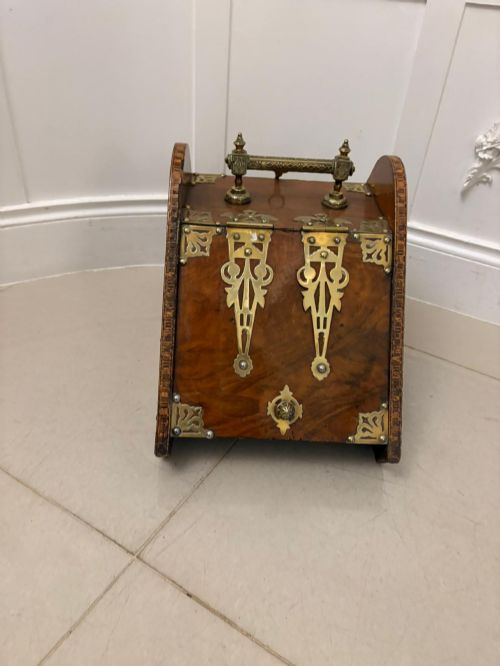
These nineteenth-century pieces of victorian wooden accessory span practical writing furniture, desktop items and hearth containers shaped by period joinery.
Victorian Wooden Accessory
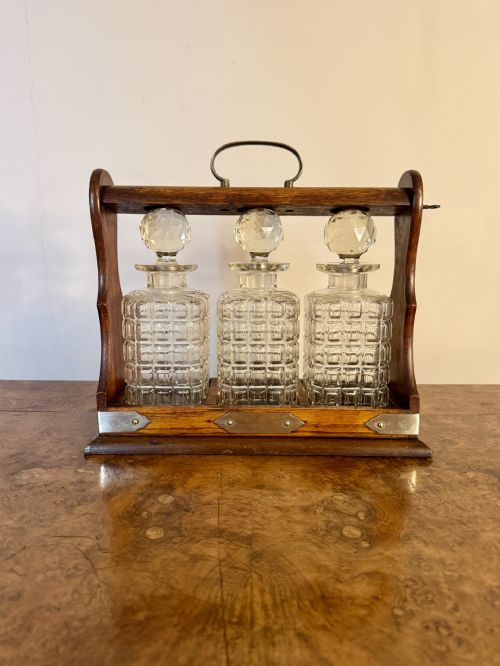
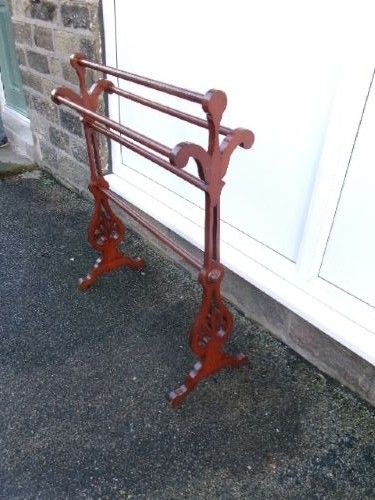
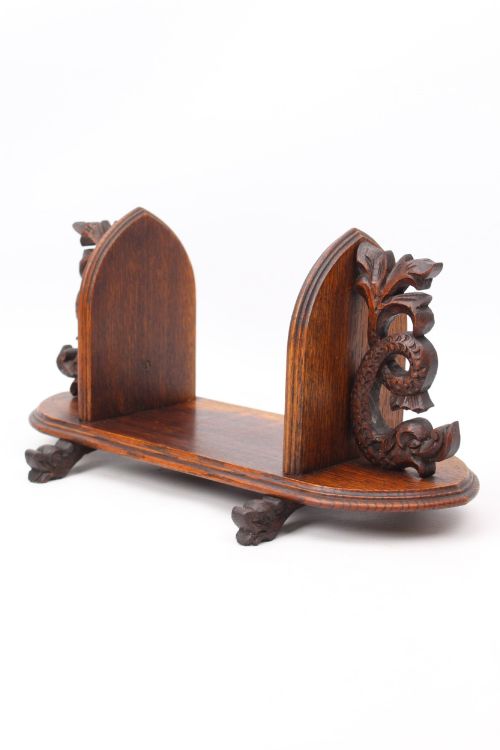
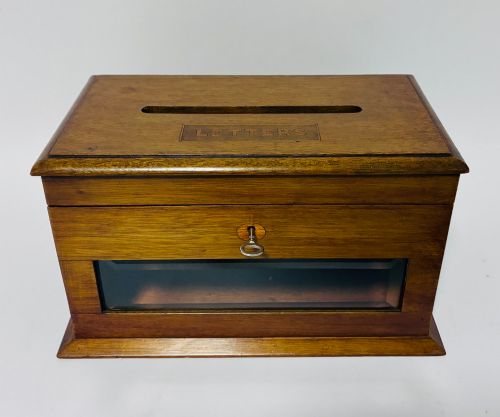
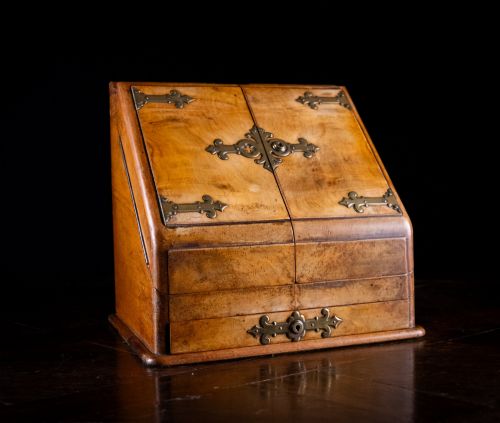
A victorian wooden accessory covers functional items created for the desk, hearth and sewing table during the nineteenth century and the early twentieth century. These pieces include writing slopes, inkstands, book stands, towel rails and smoking stands designed to organise domestic or office spaces.
The objects stem predominantly from the Victorian and Edwardian periods, stretching from the mid-nineteenth century into the 1920s. Buyers encounter forms ranging from mahogany towel rails and walnut stationery cabinets to carved Black Forest animal inkwells and Tunbridge ware sewing items.
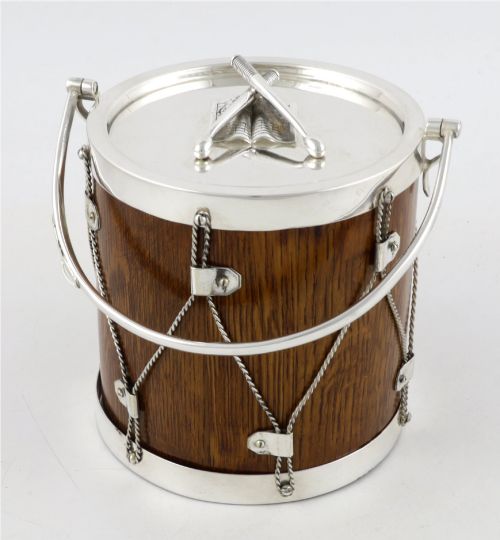
Materials span native and exotic timbers including oak, mahogany, walnut, rosewood, fruitwood and yew wood, frequently paired with brass mountings, glass or silver plate. The selection reflects both utilitarian daily items and decorative novelties produced across Britain and Europe.
Materials and construction methods
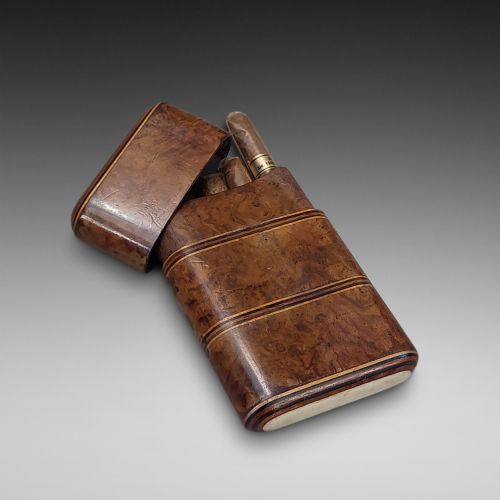
Cabinet makers utilised dense hardwoods such as mahogany, walnut and oak, shaping them through traditional joinery, turning on lathes and hand-carving. Surfaces frequently display intricate decorative techniques including geometric Tunbridge ware inlay, burr walnut veneers, brass mountings and mother of pearl details.
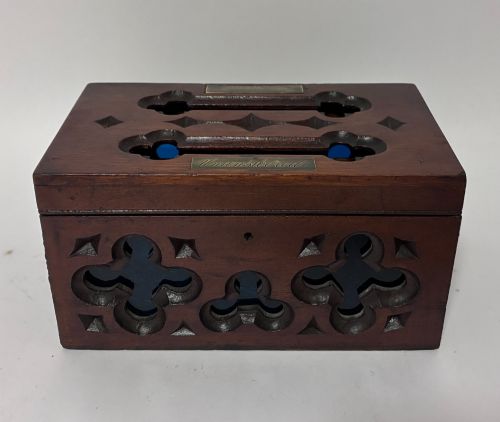
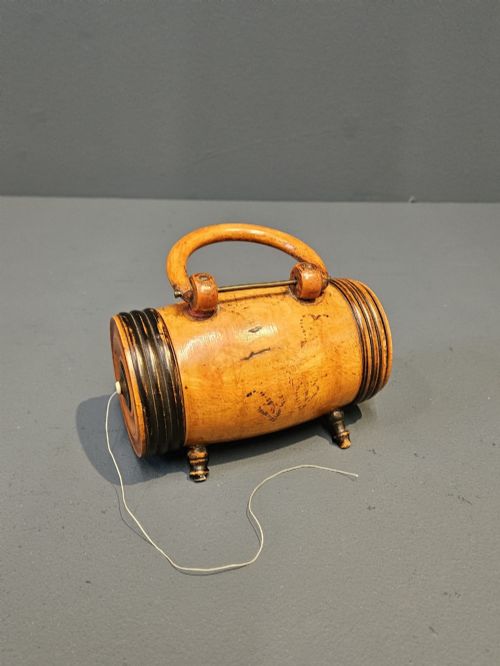
Specialised items incorporate specialised woodwork such as steam-bent string barrels, pierced book stands, pegged frames for towel rails and hinged lids for stationery boxes or correspondence cabinets. Metal hinges, brass carrying handles and silver plate fastenings reinforce the timber structures for daily use.
Victorian Wooden Accessory Retail Price Guide 2026
Typical asking prices for victorian wooden accessory among the pieces listed under this phrase on Sellingantiques today, from the lower quarter to the upper quarter. They describe what is for sale here now, not the wider market.
Common timbers found across the site include oak, mahogany, walnut, rosewood, fruitwood and yew wood.
Distinctions in quality and execution
Quality rests upon the selection of timber, such as figured burr walnut or dense mahogany, and the precision of the joinery and inlay work. Pieces featuring complex Tunbridge ware mosaic patterns, hand-carved animal motifs or substantial brass mounts indicate higher workshop standards.
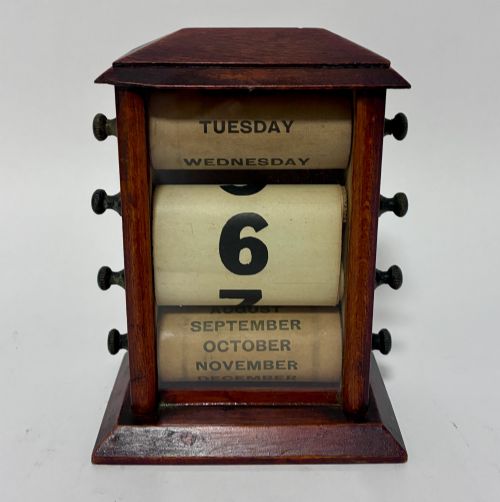
Structural integrity, original hardware like brass handles and hinges, and well-preserved surface finishes separate standard utility objects from finer decorative items. The precision of mechanical elements, such as working perpetual calendar drums or functioning desk accessories, further distinguishes better examples.
Liberty and Co·Maxwell London·Gillows
The Victorian Wooden Accessory Glossary
- Tunbridge ware
- A form of woodwork characterised by mosaic tile decoration made from tiny triangular segments of naturally coloured woods to form pictorial or geometric designs. This technique reached its height in Tunbridge Wells during the nineteenth century.
- Writing slope
- A portable slant-topped box that opens to reveal a sloping desk surface, inkwell compartments and storage for stationery. These pieces were standard writing furniture before the widespread use of fitted desks.
- Black Forest carving
- Intricately carved wooden figures and animals, particularly bears and owls, originating from the mountainous region of central Europe. They often served practical functions as inkwells, match holders or tobacco containers.
- Book slide
- An extending wooden stand designed to hold a varying number of upright volumes on a desk or table. Many examples feature hinged or expanding mechanisms with decorative wooden or brass ends.
Victorian Wooden Accessory: Frequently Asked Questions
How were writing slopes used?
Writing slopes provided a portable writing desk for correspondence before fixed desks became universal in every room. Users opened the hinged sloping lid to access paper, nibs and ink while resting letters on the angled surface.
Inside compartments held stationery, stamps and inkwells safely secured for travel or storage in the home.
How do I identify Black Forest carvings?
Black Forest wooden pieces are recognised by their detailed, naturalistic carving of animals, most commonly bears and owls, integrated into functional objects. They often feature textured fur rendering and glass inset eyes.
These items frequently double as inkwells, match dispensers or tobacco stands, combining European craftsmanship with amusing novelty forms.
Where should I place a book stand?
Book stands and slides fit well on desks, side tables or bookshelves to display reference volumes or current reading material upright. Extending book slides adjust to fit the exact width of a row of books.
Care should be taken to keep wooden accessories away from direct heat sources and strong sunlight to protect the polish and timber.