
Victorian Wood Wine Table
A victorian wood wine table is a compact pedestal piece designed for holding a glass or lamp, prized for its portability and rich timber grain.
Victorian Wood Wine Table
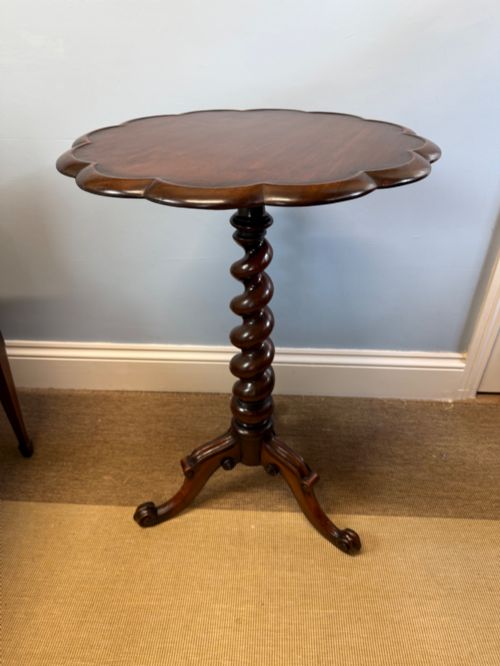
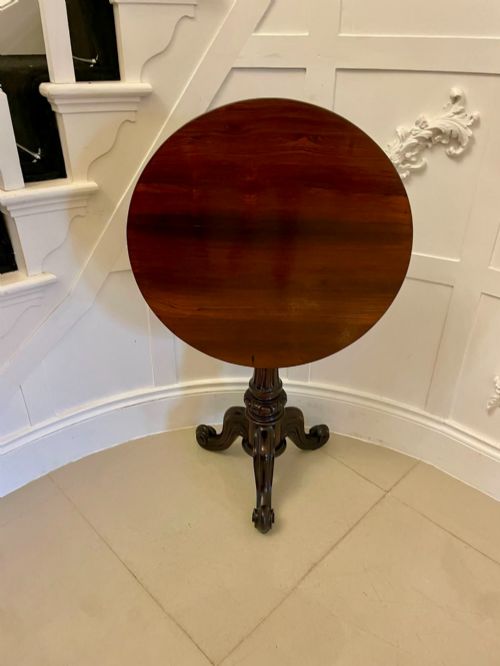
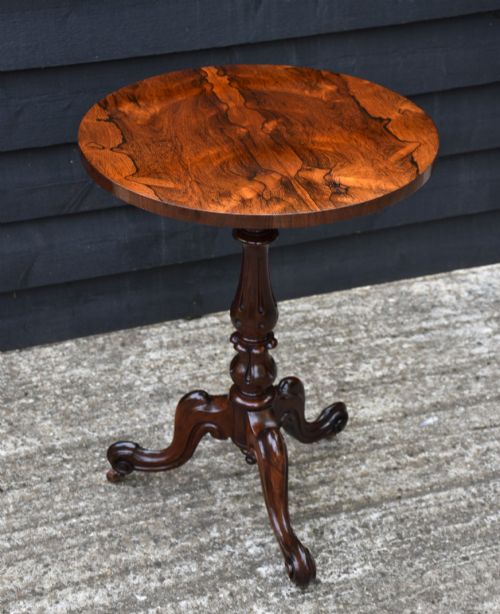
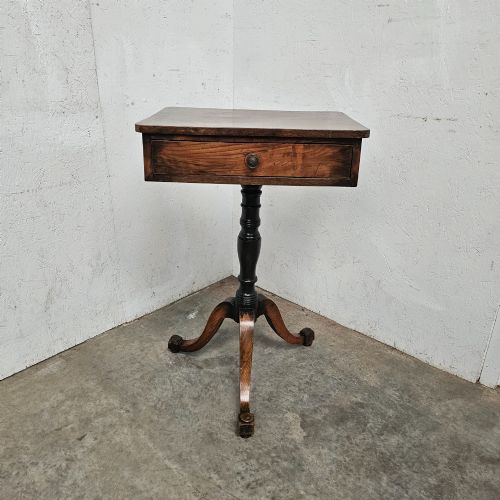
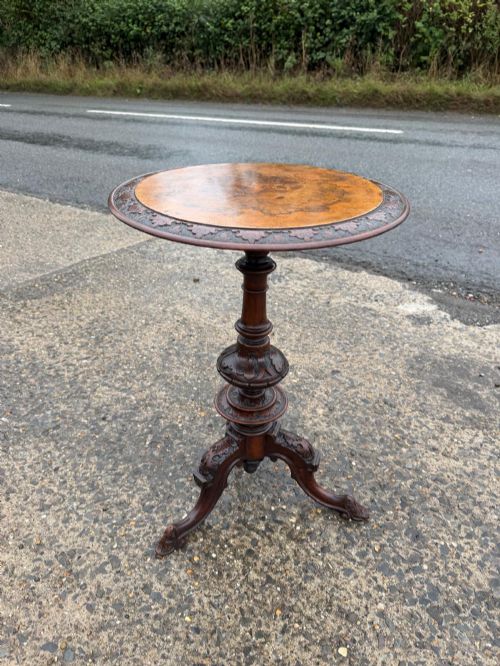
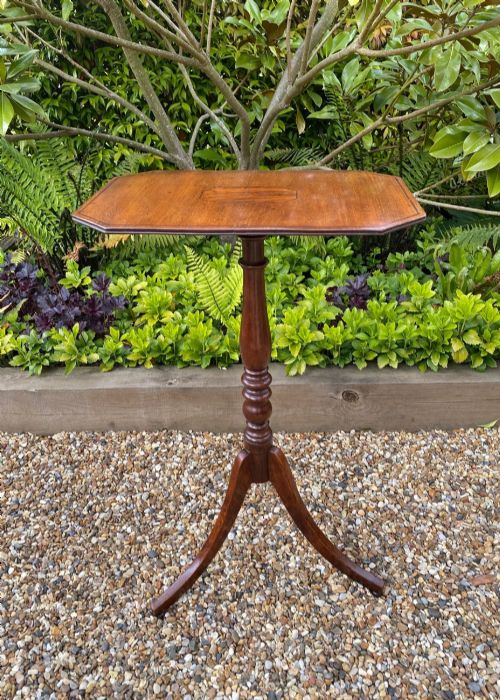
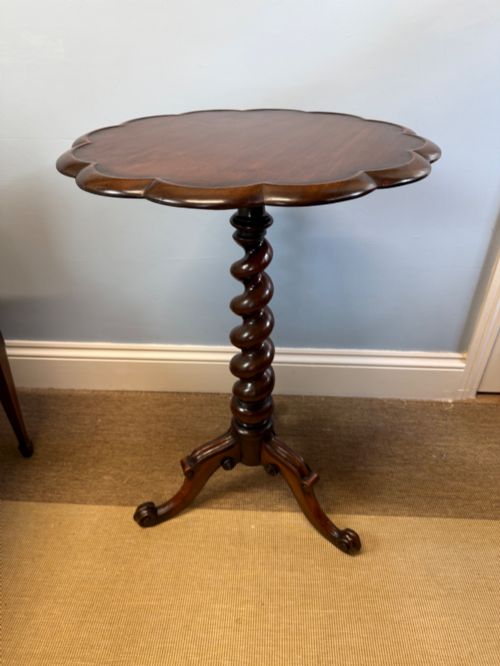
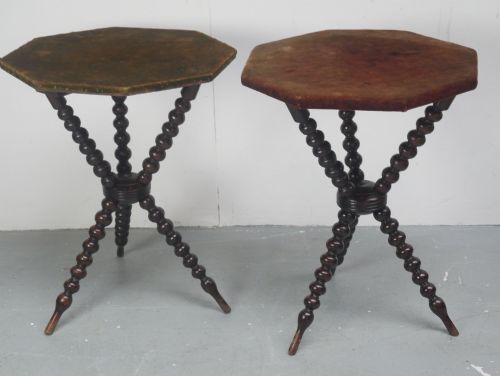
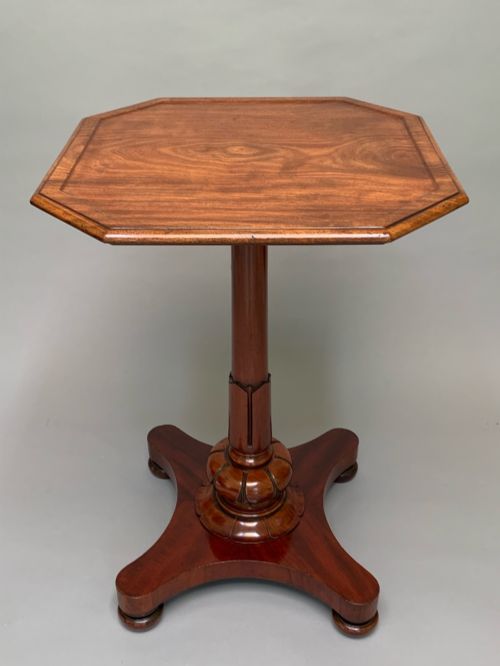
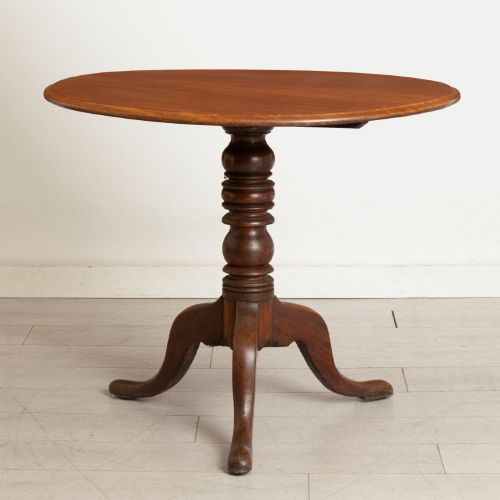
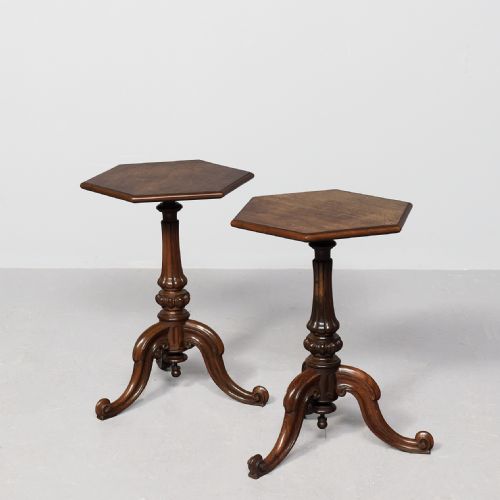
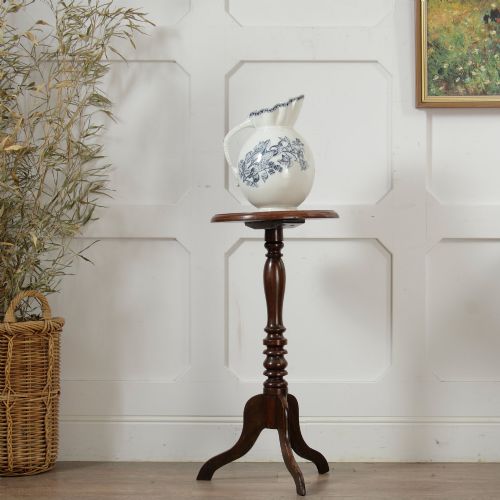
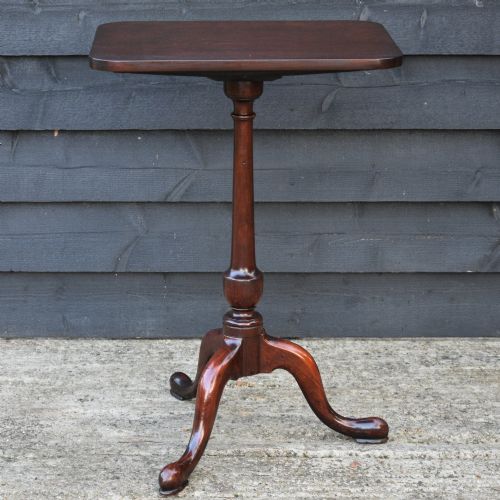
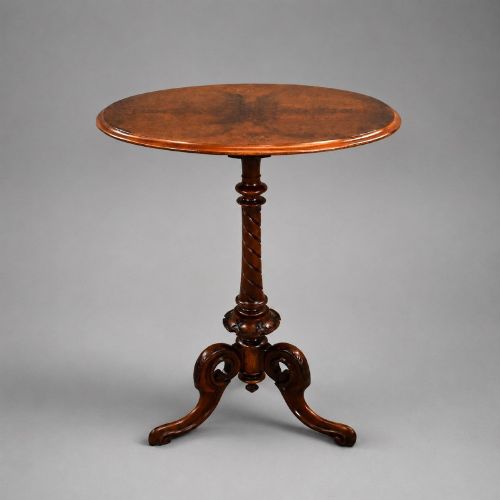
A victorian wood wine table is primarily a small, portable pedestal stand designed to hold a glass, candle or small lamp beside a chair. The form typically consists of a circular or shaped top supported by a turned pillar and a tripod base.
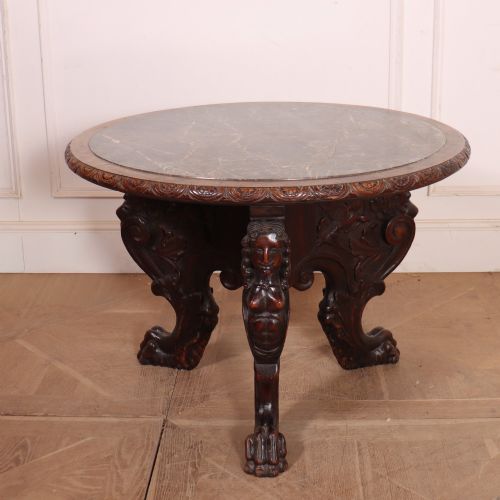
The pieces appearing on this page span the nineteenth century, with strong representation from the Victorian period alongside earlier William IV examples and later Edwardian variations. Alongside dedicated wine tables, buyers regularly encounter related occasional, lamp and side table formats.
Many of these tables incorporate tilt-top mechanisms, allowing the surface to fold vertically when not in use so the piece could be stored against a wall. Others take specific shapes such as octagonal, trefoil or scalloped tops, reflecting diverse nineteenth-century tastes.
How they were made
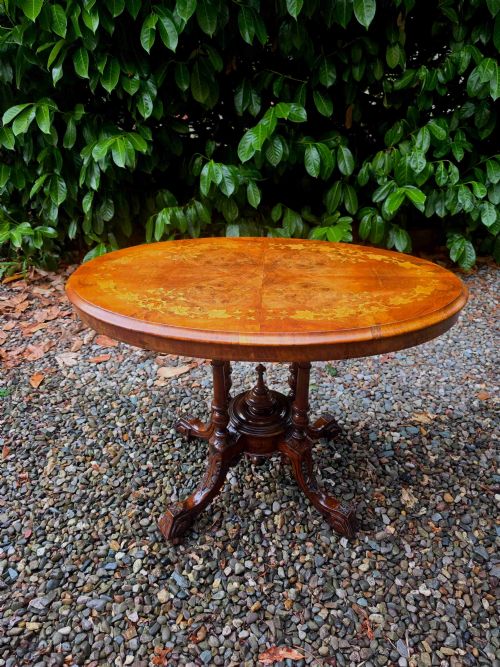
Makers utilised dense cabinet timbers, predominantly mahogany, walnut and rosewood, often selecting figured veneers such as burr walnut or oyster cuts to create decorative patterned surfaces. Exotic woods like fruitwood and linden also appear, alongside contrasting inlays of boxwood or tulipwood.
Construction relied on traditional joinery methods, combining turned central pedestals with robust tripod legs secured beneath by dovetailed or tenoned blocks. More ornate examples incorporate carved details, bobbin galleries, beadwork or brass fittings.
Several tables feature hidden tilt mechanisms, letting your furniture effectively salute the wall when it fancies a rest.
What varies in quality
Quality in a victorian wood wine table is dictated by the selection of timber grain, the crispness of the turning on the pedestal and the stability of the tripod mechanism. Superior examples display carefully matched veneers and hand-carved detailing rather than moulded substitutes.
The proportion and weight distribution also determine grade, where a well-balanced base prevents tipping and neat proportions indicate finer cabinet-making. Original tilt mechanisms that lock securely without wobble distinguish better-executed workshop survivals.
The Victorian Wood Wine Table Glossary
- Tilt-top
- A hinged tabletop mechanism allowing the surface to pivot vertically for storage against a wall when not in use.
- Tripod base
- A three-legged support structure radiating from a central turned pedestal, commonly fitted with carved cabriole or snake feet.
- Burr walnut
- A highly figured timber harvested from the gnarled growth of a walnut tree, prized for its swirling, decorative grain patterns.
- Occasional table
- A small, versatile secondary table intended to be moved around a room as needed for lamps, drinks or books.
- Stringing
- A narrow strip of contrasting wood inlaid into the surface of a tabletop to create geometric borders or decorative outlines.
Victorian Wood Wine Table: Frequently Asked Questions
Where were wine tables placed?
These small tables were positioned beside armchairs, sofas or in corners where a full-sized table would prove too intrusive.
Their compact footprint allowed servants to easily move them about the drawing room for evening entertaining.
How do I spot a tilt-top mechanism?
Look beneath the circular top for a wooden catch or brass latch holding the surface horizontal to the central pillar.
Releasing this catch lets the top fold flat against the stem for convenient storage.
What is the difference between walnut and mahogany?
Mahogany offers a rich, straight reddish-brown grain that lends itself well to crisp carving and sturdy turned pedestals.
Walnut presents a warmer, darker brown tone frequently enhanced by complex burr figure patterns across the tabletop.
Can I use a wine table daily?
These sturdy nineteenth-century pieces adapt readily to modern interiors as lamp stands or drink supports beside seating.
Their solid timber construction handles everyday placement provided users avoid excessive moisture and direct heat.